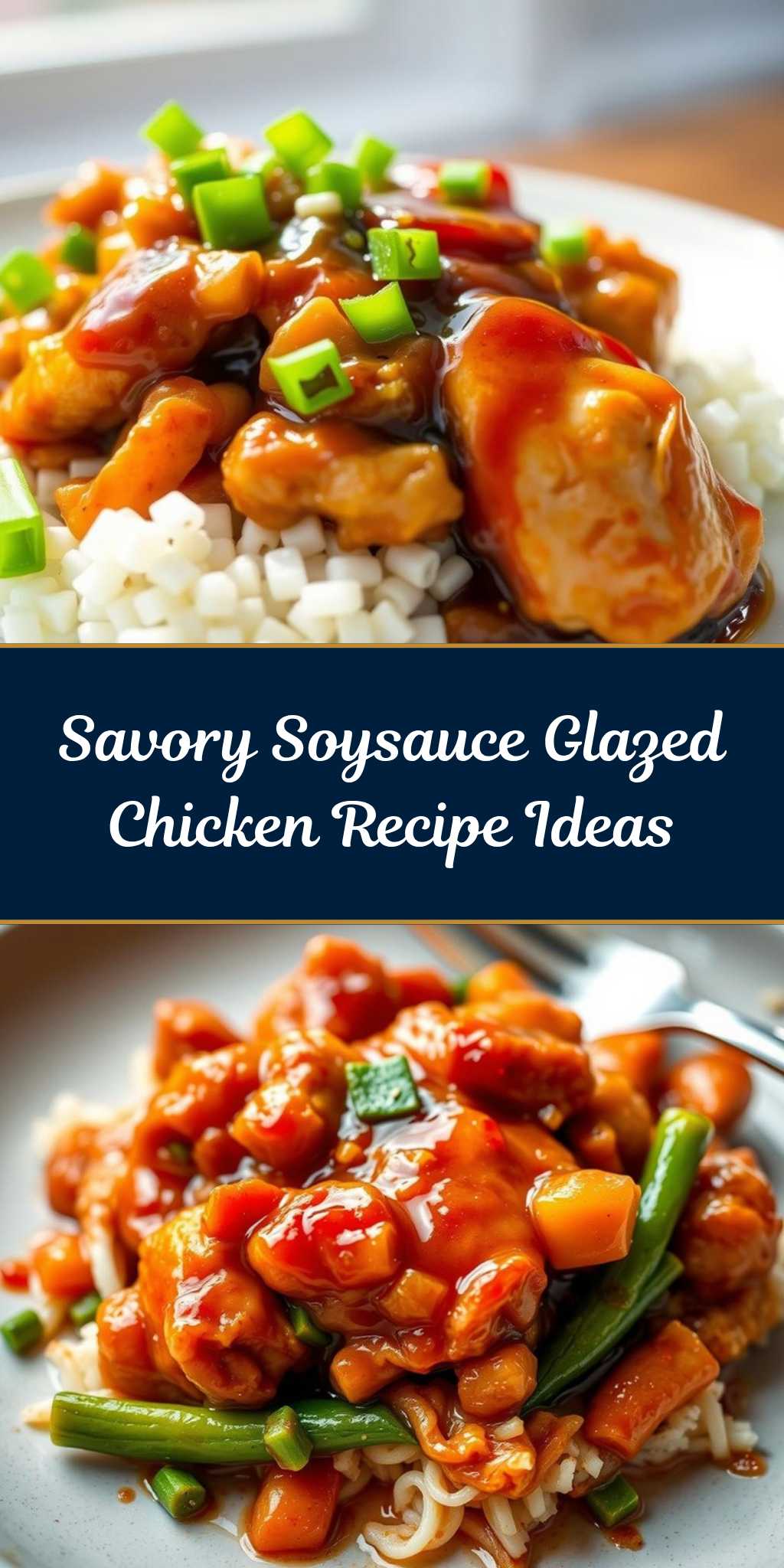
Craving a quick weeknight dinner solution? Try this easy soysauce chicken recipe made with tender chicken and savory soy sauce for a homemade family favorite, save for later
Soysauce Chicken Recipe
Introduction
Imagine sinking your teeth into tender, flavorful chicken that’s been marinated to perfection in a rich soysauce blend, with each bite a harmonious balance of savory, sweet, and umami flavors. This Soysauce Chicken Recipe is not just a meal; it’s an experience that combines the ease of everyday ingredients with the creativity of international cuisine. Whether you’re a seasoned chef or a beginner in the kitchen, this recipe promises to deliver impressive results with minimal effort, making it perfect for weeknight dinners or special occasions. The beauty of this dish lies in its simplicity and versatility, allowing you to experiment with various flavors and textures to make it your own. So, let’s dive into the world of soysauce chicken and explore what makes this recipe a must-try for anyone looking to elevate their cooking game.
Why This Works
- Flavor balance and ingredient accessibility: The soysauce marinade is the heart of this recipe, providing a deep, savory flavor that complements the chicken perfectly. The ingredients are readily available, making it easy to whip up this dish at any time.
- Ease of preparation: With a simple marinade and a straightforward cooking process, this recipe is incredibly easy to follow and execute, even for those new to cooking.
- Impressive results with minimal effort: Despite its simplicity, the end result is a dish that looks and tastes like it was prepared in a professional kitchen, sure to impress family and friends alike.
Key Ingredients
The key to this Soysauce Chicken Recipe lies in its ingredients. You’ll need:
– 2 lbs chicken breasts or thighs, whichever you prefer
– 1/2 cup soysauce
– 1/4 cup olive oil
– 2 cloves garlic, minced
– 1 tablespoon grated ginger
– 1 tablespoon honey
– 1 teaspoon sesame oil
– Salt and pepper to taste
– Optional: bell peppers, onions, mushrooms, or any other vegetables you like
For practical substitutions, you can replace soysauce with tamari for a gluten-free option or use different types of oil like avocado oil for a lighter taste. Feel free to experiment with various vegetables to add texture and flavor to your dish.
Instructions
- Step 1: Begin by preparing your marinade. In a blender or food processor, combine soysauce, olive oil, garlic, ginger, honey, and sesame oil. Blend until smooth. This marinade is the foundation of your dish, so take a moment to ensure all the ingredients are well combined.
- Step 2: Place your chicken in a large ziplock bag or a shallow dish. Pour the marinade over the chicken, making sure each piece is coated. Seal the bag or cover the dish with plastic wrap. Refrigerate for at least 2 hours or overnight for the best flavor.
- Step 3: Preheat your oven to 400°F (200°C). Remove the chicken from the marinade, letting any excess liquid drip off. Place the chicken on a baking sheet lined with parchment paper. If using, add your chosen vegetables around the chicken. Bake for 20-25 minutes or until the chicken is cooked through and the vegetables are tender.
- Step 4: For the final touches, remove the chicken from the oven and let it rest for a few minutes. Slice the chicken and serve with the roasted vegetables. You can garnish with sesame seeds and chopped green onions for added flavor and visual appeal.
Handy Tips
- Always use fresh ingredients for the best flavor. If you’re using frozen chicken, make sure it’s fully thawed before marinating.
- Don’t overmarinate, as this can make the chicken too salty. 2 hours to overnight is the perfect range.
- For crispy skin, broil the chicken for an additional 2-3 minutes after baking. Keep an eye on it to avoid burning.
Heat Control
Heat control is crucial in this recipe, especially when baking the chicken. The ideal temperature is 400°F (200°C), and the chicken should be cooked for 20-25 minutes. To check for doneness, cut into the thickest part of the breast or thigh. The juices should run clear, and the internal temperature should be at least 165°F (74°C). If you’re using a meat thermometer, this is the easiest way to ensure your chicken is cooked to a safe temperature.
Crunch Factor
The crunch factor in this dish can come from the roasted vegetables or a crispy chicken skin, achieved by broiling the chicken for a few minutes after baking. For an extra crunchy texture, you can also top your chicken with toasted sesame seeds or chopped nuts before serving.
Pro Kitchen Tricks
- Use a cast-iron skillet for baking the chicken. It retains heat well and can give you a crispy crust on the bottom of the chicken.
- Let the chicken rest before slicing. This allows the juices to redistribute, making the chicken more tender and flavorful.
- For easier cleanup, line your baking sheet with parchment paper or aluminum foil before adding the chicken and vegetables.
Storage Tips
- Leftover chicken can be stored in an airtight container in the refrigerator for up to 3 days. Reheat in the oven or microwave until warmed through.
- For longer storage, freeze the cooked chicken in airtight containers or freezer bags for up to 2 months. Thaw overnight in the fridge and reheat as needed.
- Use glass containers for storing leftovers, as they are non-reactive and can be safely used in the microwave and oven.
Gift Packaging Ideas
If you’re considering gifting this dish, perhaps for a potluck or as a meal for a friend, consider packaging it in a decorative ceramic dish covered with aluminum foil or in a large, microwave-safe container. Add a personal touch with a handwritten note or a small bag of sesame sticks and soy sauce for added flavor. For a more rustic look, use a wicker basket lined with a checkered cloth and include a side of steamed vegetables or a simple salad.
Flavor Variations
- Different spices: Add some heat with red pepper flakes or experiment with herbs like thyme or rosemary for a unique twist.
- Creative toppings: Try adding sliced green onions, toasted sesame seeds, or diced mango for a sweet and savory combination.
- Ingredient swaps: Replace chicken with tofu for a vegan version or use beef for a heartier dish. Experiment with various vegetables like bell peppers, carrots, or broccoli to change up the flavor and texture.
Troubleshooting
- Texture problems: If your chicken is too dry, it may have been overcooked. Try reducing the baking time or covering the chicken with foil to prevent overcooking.
- Ingredient replacements: If you don’t have soysauce, you can substitute it with a combination of soy sauce alternatives like coconut aminos or tamari, mixed with a bit of water to achieve the right consistency.
- Over/undercooking signs: Always check the internal temperature of the chicken to ensure it’s cooked through. If you notice the chicken is undercooked, return it to the oven for a few more minutes and check again.
FAQs
- Can I freeze it? Yes, cooked chicken can be frozen for up to 2 months. Thaw overnight in the fridge and reheat as needed.
- Is it gluten-free? This recipe can be gluten-free if you use gluten-free soysauce or tamari. Always check the labels of your ingredients to ensure they meet your dietary needs.
- Can I double the recipe? Absolutely. Simply double all the ingredients and adjust the baking time as needed. Keep an eye on the chicken to ensure it’s cooked through.
Conclusion
In conclusion, the Soysauce Chicken Recipe is a versatile, easy-to-make dish that’s perfect for any occasion. With its rich flavors and tender texture, it’s sure to become a favorite in your household. Don’t be afraid to experiment with different ingredients and flavors to make the recipe your own. Share it with friends and family, and enjoy the process of cooking and savoring a meal that’s both nourishing and delicious. Happy cooking, and I look forward to hearing about your culinary adventures with this recipe!