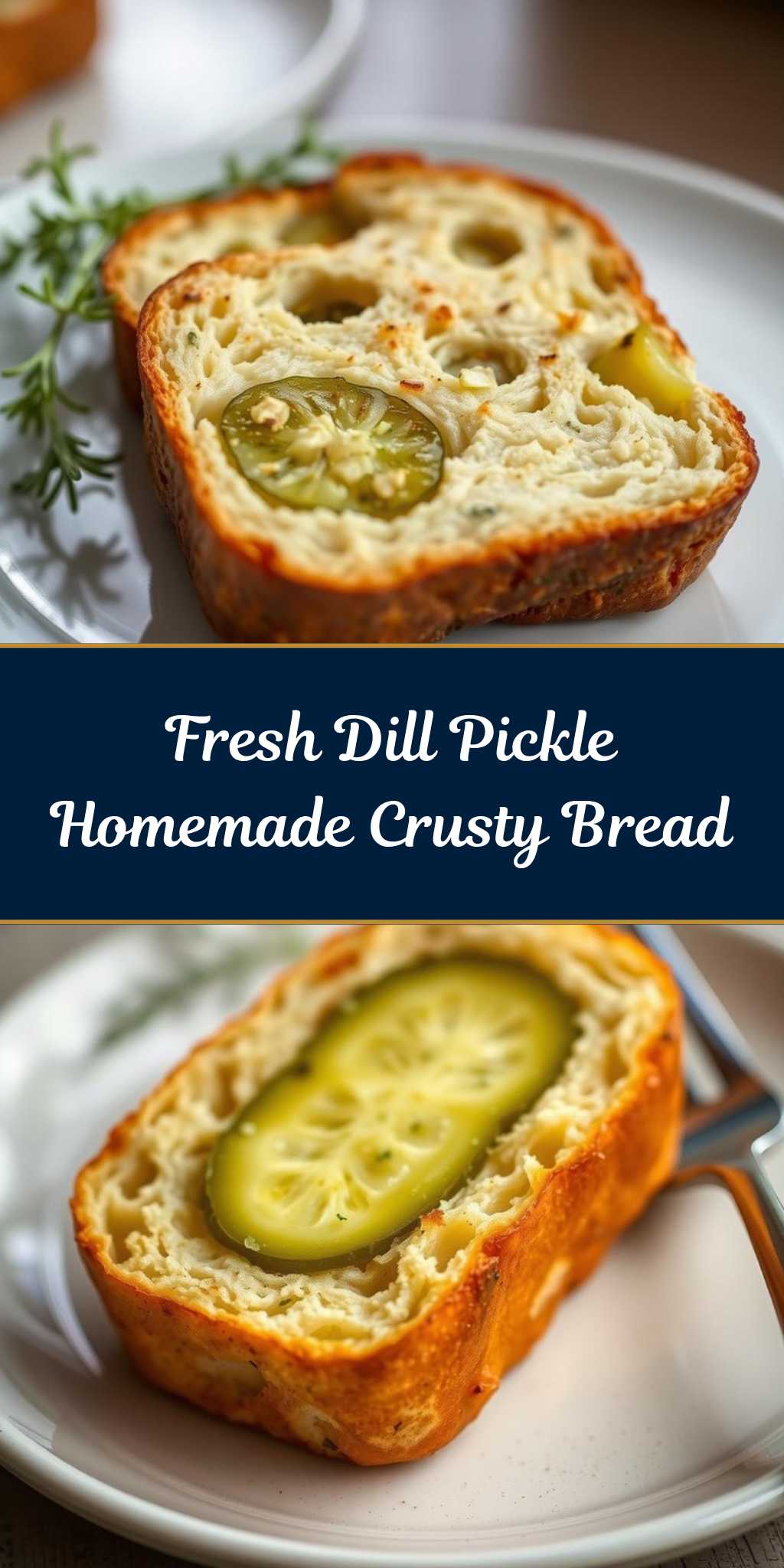
Craving a tangy twist on traditional bread? This easy homemade dill pickle bread is a quick weeknight dinner solution made with fresh dill and crunchy pickles. Save for later and make it tonight.
Dill Pickle Bread
Introduction
Imagine a warm, fragrant loaf that combines the tangy delight of dill pickles with the comforting familiarity of freshly baked bread. This Dill Pickle Bread recipe is a game-changer for anyone looking to add a bit of creativity to their mealtime routine without sacrificing ease or flavor. By utilizing everyday ingredients in a unique and exciting way, this bread is perfect for sandwiches, toast, or just snacking on its own. The best part? It’s incredibly easy to make, requiring minimal effort for impressive results that are sure to delight both family and friends.
Why This Works
- Flavor balance and ingredient accessibility: The combination of dill pickle flavor with traditional bread ingredients creates a surprising yet balanced taste experience. All the necessary ingredients are readily available in most supermarkets, making this recipe accessible to everyone.
- Ease of preparation: The steps involved in making this bread are straightforward and simple, requiring no advanced baking skills. This makes it a perfect project for beginners or those short on time.
- Impressive results with minimal effort: Despite its simplicity, the end result is a deliciously unique bread that looks and tastes like it came from a professional bakery, sure to impress anyone who tries it.
Key Ingredients
The main ingredients in this Dill Pickle Bread recipe include all-purpose flour, yeast, salt, sugar, butter, milk, chopped fresh dill, and finely chopped dill pickles. For those who prefer a lighter flavor, the amount of dill or pickles can be adjusted to taste. Additionally, for a gluten-free version, gluten-free flour can be substituted, though the ratio of flours may need adjustment. The pickles add a salty, tangy flavor that complements the freshness of the dill, while the yeast ensures the bread rises beautifully, giving it a light and airy texture.
Instructions
- Step 1: Begin by activating the yeast in warm milk, then combine flour, salt, sugar, and softened butter in a large mixing bowl. Add the yeast mixture, chopped dill, and chopped pickles, mixing until a dough forms.
- Step 2: Knead the dough for about 10 minutes until it becomes smooth and elastic. Place the dough in a greased bowl, cover it, and let it rise in a warm place until it has doubled in size.
- Step 3: Preheat the oven to 375°F (190°C). Punch down the dough and shape it into a round or oblong loaf. Place the loaf onto a baking sheet lined with parchment paper, cover it, and let it rise for another 30 minutes.
- Step 4: Bake the loaf for about 35-40 minutes, or until it’s golden brown. Remove from the oven and let cool on a wire rack before slicing.
Handy Tips
- Ensure your yeast is fresh, as this will affect the rise of the bread. If you’re using active dry yeast, it’s a good idea to activate it first to ensure it’s working properly.
- Don’t overmix the dough, as this can lead to a dense bread. Mix just until the ingredients come together in a shaggy mass, then knead.
- For an extra crispy crust, bake the bread for an additional 5-10 minutes. Keep an eye on it to prevent burning.
Heat Control
The ideal temperature for baking this bread is 375°F (190°C). It’s crucial to preheat the oven to this temperature to ensure the bread cooks evenly. The baking time may vary depending on your oven and the size of your loaf, so keep an eye on it. The bread is done when it’s golden brown and sounds hollow when tapped on the bottom.
Crunch Factor
This Dill Pickle Bread is designed to have a soft interior and a crispy crust. To achieve the perfect crunch, make sure not to overbake, and consider baking for an additional few minutes if you prefer a crisper crust. The pickles and dill add a nice texture contrast to the softness of the bread, enhancing the overall eating experience.
Pro Kitchen Tricks
- For a professional finish, brush the top of the loaf with egg wash before baking to give it a golden glaze.
- Use a baking stone in the oven to enhance the crust’s crispiness. Preheat the stone along with the oven.
- Let the bread cool completely before slicing to ensure it retains its texture and flavor. Slicing too soon can make the bread dense and soggy.
Storage Tips
- Store the cooled bread in an airtight container at room temperature for up to 3 days. It can also be frozen for up to 2 months and thawed at room temperature or reheated in the oven.
- For reheating, wrap the bread in foil and bake in a preheated oven at 350°F (175°C) for about 10-15 minutes, or until warmed through.
- Consider slicing the bread before freezing and then freezing the slices individually for easy toast or sandwich making.
Gift Packaging Ideas
This Dill Pickle Bread makes a wonderful gift, especially for those who appreciate unique flavors. Consider wrapping a freshly baked loaf in a rustic paper bag and tying it with twine, or place sliced bread in a decorative tin or jar. Adding a jar of homemade butter or a packet of artisanal cheese can elevate the gift, making it a thoughtful and delicious present for friends and family.
Flavor Variations
- Different spices: Try adding some garlic powder, onion powder, or dried herbs like thyme or rosemary to give the bread an extra depth of flavor.
- Creative toppings: Before baking, top the bread with sesame seeds, poppy seeds, or grated cheese for added texture and flavor.
- Ingredient swaps: For a sourdough version, use sourdough starter instead of commercial yeast. You can also experiment with different types of flour, like whole wheat or rye, for a nuttier flavor.
Troubleshooting
- Texture problems: If the bread turns out too dense, it might be due to overmixing or old yeast. If it’s too dry, it could be overbaked or the dough might not have been kneaded enough.
- Ingredient replacements: Always try to use the freshest ingredients, especially yeast and herbs. If you’re out of an ingredient, look for substitutions that won’t alter the flavor profile too much.
- Over/undercooking signs: Keep an eye on the bread while it’s baking. If it’s getting too dark, cover it with foil. If it doesn’t sound hollow when tapped, it might need a few more minutes in the oven.
FAQs
- Can I freeze it? Yes, this bread freezes well. It’s best to freeze it after it has cooled completely, either as a whole loaf or sliced.
- Is it gluten-free? Not in its traditional form, but you can make a gluten-free version by substituting the all-purpose flour with a gluten-free flour mix. Note that gluten-free breads can be more dense and may require additional xanthan gum for texture.
- Can I double the recipe? Yes, you can easily double or even triple this recipe if you’re planning for a larger crowd. Just ensure you have enough space for the dough to rise and adjust the baking time slightly for a larger loaf.
Conclusion
Making Dill Pickle Bread is a fun and rewarding baking project that’s perfect for anyone looking to try something new and exciting. With its unique flavor combination and straightforward preparation, it’s a great way to spice up mealtime or add a special touch to your next gathering. Feel free to experiment with the recipe, adding your own favorite herbs or spices to make it truly yours. Whether you’re a seasoned baker or just starting out, this recipe is sure to become a favorite, and with the tips and variations provided, you’ll be well on your way to creating your own signature breads.