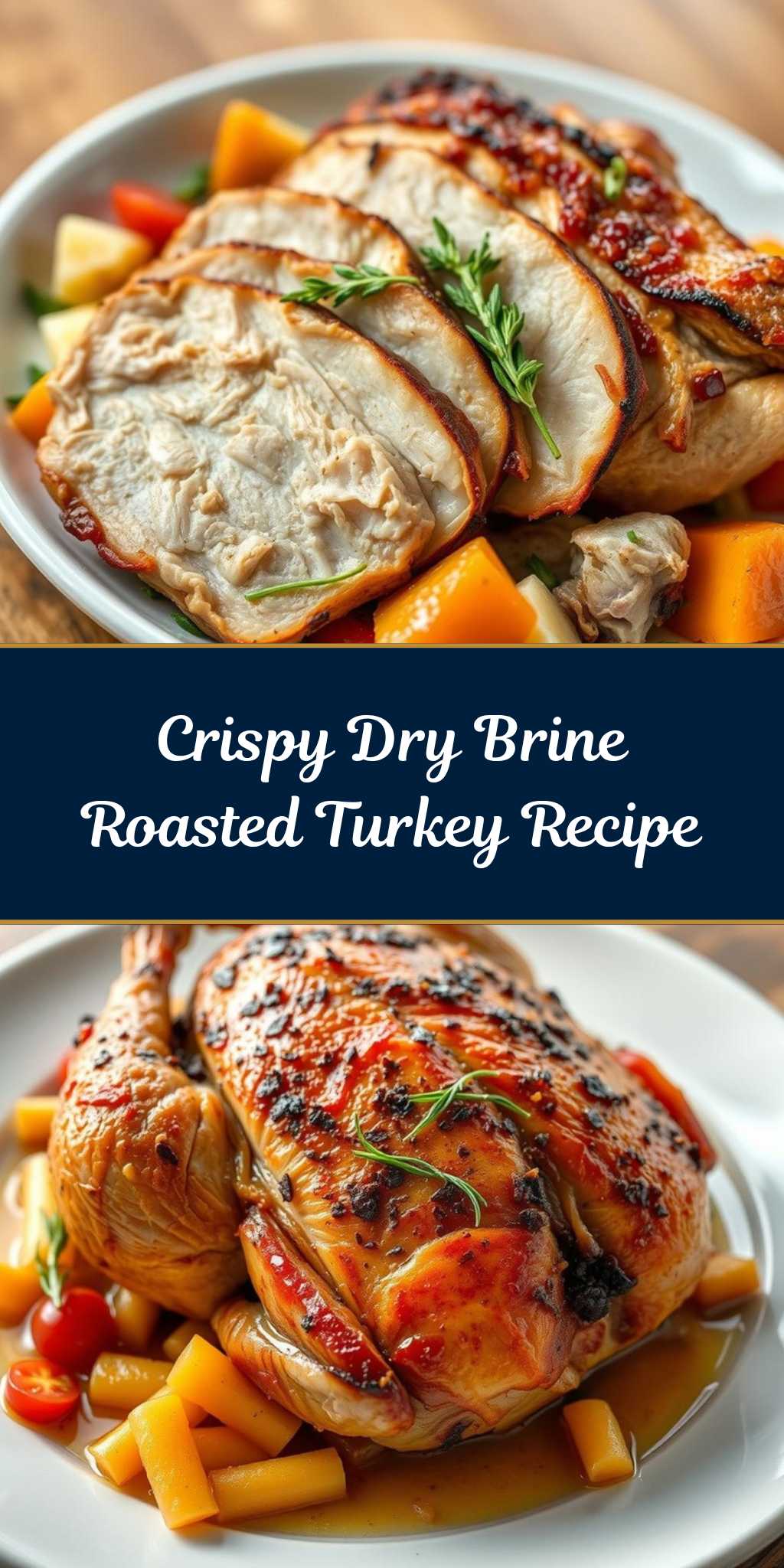
Want a stress free Thanksgiving dinner? Dry brine a turkey for easy and quick homemade meals, perfect for weeknight dinner or family favorite gatherings, using simple ingredients and a foolproof cooking method, Save for later
Dry Brine a Turkey
Introduction
Dry brining a turkey is a simple yet impressive technique that will elevate your holiday meals to the next level. With just a few everyday ingredients and some basic kitchen tools, you can create a deliciously moist and flavorful turkey that’s sure to wow your family and friends. The best part? It’s incredibly easy to do, requiring minimal effort and preparation time. In this article, we’ll walk you through the process of dry brining a turkey, from the key ingredients and instructions to handy tips and troubleshooting advice.
Why This Works
- Flavor balance and ingredient accessibility: The dry brine mixture is made with a combination of salt, sugar, and spices that are easily found in most kitchens, making it a convenient and accessible technique for home cooks.
- Ease of preparation: Dry brining a turkey requires minimal effort and preparation time, making it a great option for busy home cooks who want to impress their guests without slaving away in the kitchen.
- Impressive results with minimal effort: The dry brining process allows the turkey to absorb a deep, rich flavor without requiring a lot of complicated steps or special equipment, making it a great technique for achieving impressive results with minimal effort.
Key Ingredients
The key ingredients for dry brining a turkey include kosher salt, brown sugar, black pepper, and your choice of aromatics such as onion, carrot, and celery. You’ll also need a whole turkey, preferably fresh and not frozen. If you don’t have kosher salt, you can substitute it with regular salt, but keep in mind that the flavor may be slightly different. You can also customize the dry brine mixture to suit your taste preferences by adding other spices and herbs, such as thyme, rosemary, or garlic powder.
Instructions
- Step 1: Begin by prepping your ingredients, including measuring out the dry brine mixture and chopping any aromatics you plan to use. Make sure your turkey is thawed and patted dry with paper towels.
- Step 2: Mix the dry brine ingredients together in a small bowl, making sure to combine them evenly. You can adjust the amount of each ingredient to suit your taste preferences.
- Step 3: Rub the dry brine mixture all over the turkey, making sure to get some under the skin as well. You can use your hands or a spatula to apply the mixture, depending on your preference.
- Step 4: Place the turkey on a wire rack set over a rimmed baking sheet or a roasting pan, and let it sit in the refrigerator for at least 24 hours or up to 48 hours. This will allow the dry brine to penetrate the meat and add flavor.
Handy Tips
- Make sure to pat the turkey dry with paper towels before applying the dry brine mixture, as excess moisture can prevent the mixture from adhering properly.
- Don’t overdo it with the dry brine mixture – too much can make the turkey taste overly salty. Start with a small amount and adjust to taste.
- Consider adding other ingredients to the dry brine mixture, such as citrus zest or chopped herbs, to give the turkey extra flavor.
Heat Control
When cooking the turkey, it’s essential to maintain a consistent temperature to ensure even cooking and food safety. The ideal internal temperature for a cooked turkey is 165°F (74°C), and you can use a meat thermometer to check for doneness. Make sure to cook the turkey in a preheated oven at 325°F (160°C), and use a roasting pan with a rack to allow air to circulate under the bird.
Crunch Factor
The dry brining process helps to create a crispy, caramelized skin on the turkey, which is a major part of its appeal. To achieve this, make sure to pat the turkey dry with paper towels before cooking, and don’t baste the bird too much during cooking, as this can prevent the skin from crisping up. You can also try rubbing the skin with a little bit of oil or butter to enhance browning and crispiness.
Pro Kitchen Tricks
- Use a wire rack to elevate the turkey above the roasting pan, allowing air to circulate under the bird and promoting even cooking.
- Don’t overcrowd the roasting pan – cook the turkey in a large enough pan to allow for air to circulate around the bird.
- Consider using a foil tent to cover the turkey during cooking, which can help to prevent overcooking and promote even browning.
Storage Tips
- Leftover turkey can be stored in the refrigerator for up to 3 days, or frozen for up to 2 months. Make sure to wrap the turkey tightly in plastic wrap or aluminum foil to prevent drying out.
- When reheating leftover turkey, make sure to heat it to an internal temperature of 165°F (74°C) to ensure food safety.
- Consider using airtight containers or zip-top bags to store leftover turkey, which can help to keep it fresh and prevent contamination.
Gift Packaging Ideas
While a whole turkey may not be the most practical gift, you can consider packaging leftover turkey or turkey-related items, such as homemade turkey broth or turkey-themed spices, in decorative jars or containers. Add a ribbon or gift tag, and you’ve got a thoughtful and delicious gift for friends and family.
Flavor Variations
- Different spices: Try adding other spices or herbs to the dry brine mixture, such as paprika, garlic powder, or dried thyme, to give the turkey a unique flavor.
- Creative toppings: Consider adding creative toppings to the turkey, such as a citrus-herb butter or a spicy pepper jelly, to add extra flavor and visual appeal.
- Ingredient swaps: Don’t be afraid to experiment with different ingredients in the dry brine mixture, such as using brown sugar instead of white sugar, or adding a little bit of smoked paprika for a smoky flavor.
Troubleshooting
- Texture problems: If the turkey is too dry or overcooked, try adjusting the cooking time or temperature. You can also try brining the turkey in a wet brine solution instead of a dry brine to add extra moisture.
- Ingredient replacements: If you don’t have a particular ingredient, such as kosher salt or brown sugar, try substituting it with a similar ingredient. Keep in mind that the flavor may be slightly different.
- Over/undercooking signs: Make sure to check the turkey regularly during cooking, and use a meat thermometer to ensure it reaches a safe internal temperature. If the turkey is undercooked, it may be pale and soft to the touch, while an overcooked turkey may be dry and tough.
FAQs
- Can I freeze it? Yes, you can freeze leftover turkey for up to 2 months. Make sure to wrap it tightly in plastic wrap or aluminum foil to prevent drying out.
- Is it gluten-free? The dry brine mixture is naturally gluten-free, but make sure to check the ingredients of any store-bought spices or seasonings you use. You can also try using gluten-free spices or seasonings to ensure the dish is safe for gluten-free diets.
- Can I double the recipe? Yes, you can double the recipe to make a larger batch of dry brine mixture. Just keep in mind that you may need to adjust the cooking time and temperature accordingly.
Conclusion
Dry brining a turkey! It’s a simple yet impressive technique that’s sure to elevate your holiday meals to the next level. With its rich, deep flavor and crispy, caramelized skin, a dry-brined turkey is the perfect centerpiece for any special occasion. Whether you’re a seasoned pro or a beginner in the kitchen, this technique is easy to master and requires minimal effort and preparation time. So go ahead, give it a try, and enjoy the delicious results!