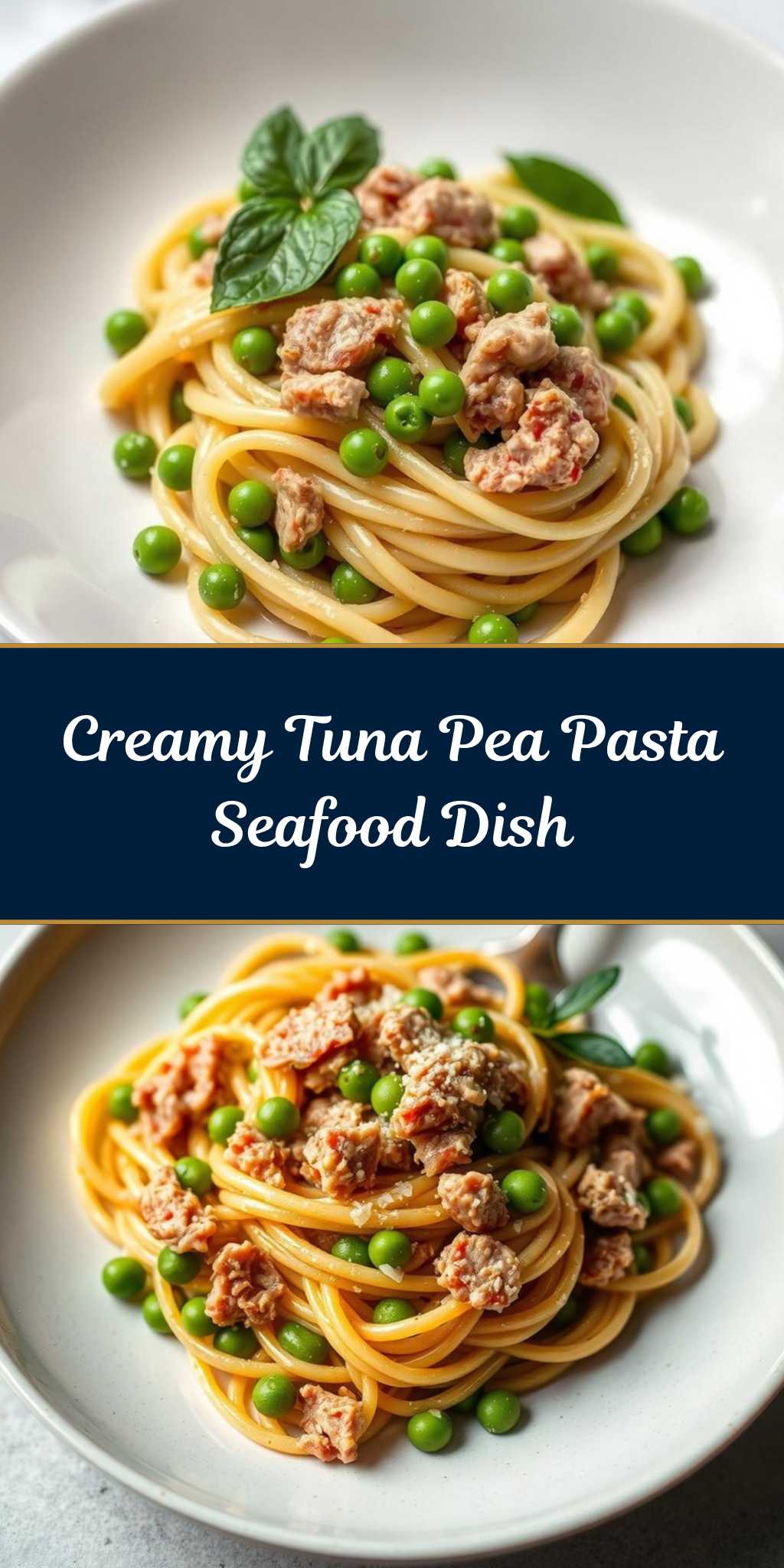
Looking for a quick weeknight dinner solution? Try this easy tuna pea pasta made with homemade pasta sauce and tender peas for a delicious family favorite, save for later
Tuna Pea Pasta
Introduction
Welcome to the delightful world of Tuna Pea Pasta, a dish that embodies the perfect blend of simplicity, flavor, and creativity. Using everyday ingredients, this recipe is a testament to how a few quality components can come together to create a culinary masterpiece. The ease of preparation, the accessibility of the ingredients, and the impressive results with minimal effort make this dish a must-try for anyone looking to elevate their pasta game. Whether you’re a busy professional, a parent looking for a quick and nutritious meal, or an adventurous foodie, Tuna Pea Pasta is sure to satisfy your cravings and leave you wanting more.
Why This Works
- Flavor balance and ingredient accessibility: The combination of tuna, peas, garlic, and herbs creates a harmonious balance of flavors that is both comforting and exciting. Moreover, these ingredients are readily available in most supermarkets, making this dish easily accessible to everyone.
- Ease of preparation: The steps involved in preparing Tuna Pea Pasta are straightforward and quick, requiring minimal cooking skills and time. This makes it an ideal option for those with busy schedules or beginners in the kitchen.
- Impressive results with minimal effort: Despite its simplicity, Tuna Pea Pasta presents beautifully and tastes complex, making it perfect for special occasions or everyday meals when you want to impress without the fuss.
Key Ingredients
The main ingredients in Tuna Pea Pasta include high-quality canned tuna, fresh or frozen peas, garlic, onions, olive oil, salt, pepper, and your choice of pasta. For the tuna, look for brands that are sustainably sourced and low in mercury. Fresh peas add a burst of sweetness and freshness, but frozen peas are a great substitute when fresh are not in season. Garlic and onions provide a depth of flavor, while olive oil brings everything together. Feel free to customize with your favorite herbs and spices to enhance the flavor profile. Practical substitutions include using different types of pasta, such as spaghetti, linguine, or even gluten-free options for those with dietary restrictions.
Instructions
- Step 1: Begin by preparing your ingredients. Chop the onions and garlic, measure out the olive oil, and boil a large pot of salted water for your pasta. Cooking the pasta al dente is crucial, as it will continue to cook a bit after draining.
- Step 2: Cook your pasta according to the package instructions until it’s al dente, then set it aside. In a large skillet, heat the olive oil over medium heat. Add the chopped onions and cook until they are translucent, followed by the minced garlic. Be careful not to burn the garlic, as it can quickly become bitter.
- Step 3: Add the canned tuna to the skillet, breaking it up with a spoon as it cooks. Mix in the peas, whether they’re fresh or frozen, and cook until they’re tender but still crisp. Season with salt, pepper, and any additional herbs you like. This is where you can get creative with the flavor, adding a squeeze of lemon juice or a sprinkle of parsley.
- Step 4: Combine the cooked pasta and the tuna mixture. Toss everything together, ensuring the pasta is well coated with the flavorful sauce. Serve hot, garnished with additional parsley or parmesan cheese if desired. The final presentation can make a big difference, so don’t hesitate to get creative with your plating.
Handy Tips
- One of the most helpful kitchen advice for this recipe is to not overcook the pasta or the peas. Both ingredients are best when they retain some of their texture, adding depth to the dish. Additionally, using high-quality ingredients, especially the tuna, can elevate the flavor significantly. If you’re looking for substitutions, consider using different vegetables like cherry tomatoes or bell peppers to add more color and flavor to your pasta.
Heat Control
Heat control is crucial in Tuna Pea Pasta, especially when cooking the garlic and the tuna. Medium heat is ideal for cooking the onions and garlic, as it allows them to soften without burning. When adding the tuna, ensure the heat is not too high, as canned tuna can dry out quickly. The ideal temperature for the skillet should be around medium to medium-low, allowing for a gentle simmer of the sauce. Timing is also key; cook the pasta and the sauce simultaneously to ensure everything is ready at the same time. Signs of doneness include the pasta being al dente and the peas being tender but still crisp.
Crunch Factor
The crunch factor in Tuna Pea Pasta comes from the peas and any additional vegetables you might add, like cherry tomatoes or sliced bell peppers. To achieve the perfect crunch, cook the peas until they’re just tender, retaining some of their natural crispness. The same applies to any other vegetables; they should be cooked through but still have a bit of bite. This texture contrast adds depth and interest to the dish, making each bite more engaging.
Pro Kitchen Tricks
- One expert tip for better results is to reserve some of the pasta water before draining. This starchy water can be used to adjust the consistency of the sauce, ensuring it coats the pasta perfectly without becoming too dry or too wet. Additionally, using a mixture of olive oil and butter can enrich the flavor of the sauce, adding a luxurious feel to the dish. For cleanup hacks, consider cooking the pasta and preparing the sauce in the same pot, reducing the number of dishes and making the process more streamlined.
Storage Tips
- Tuna Pea Pasta can be stored in the refrigerator for up to three days. It’s best to store the pasta and the sauce separately to prevent the pasta from becoming mushy. When reheating, add a bit of the reserved pasta water or some olive oil to revive the sauce. For shelf life, it’s crucial to keep the dish refrigerated at a temperature below 40°F (4°C). The best containers for storage are airtight, to prevent moisture and other flavors from affecting the dish.
Gift Packaging Ideas
While Tuna Pea Pasta might not be the first dish that comes to mind for gifting, it can be beautifully packaged for a thoughtful and unique present. Consider portioning the pasta into individual servings, placing them in decorative jars or containers, and topping with a sprinkle of parmesan cheese and a few fresh parsley leaves. Add a ribbon around the jar and a homemade card with the recipe, and you have a charming gift for any food lover. This is especially thoughtful for new neighbors, friends who just moved into a new home, or as a get-well gift.
Flavor Variations
- Different spices can significantly alter the flavor profile of Tuna Pea Pasta. Consider adding a pinch of red pepper flakes for a spicy kick, some dried basil for an Italian twist, or a sprinkle of smoked paprika for a smoky depth.
- Creative toppings can also elevate the dish. Some ideas include toasted pine nuts for crunch, diced tomatoes for freshness, or grated parmesan cheese for richness.
- Ingredient swaps are another way to experiment with the recipe. Instead of tuna, you might use salmon or chicken for a different protein flavor. Swapping peas for other vegetables like zucchini or carrots can also provide a fun twist.
Troubleshooting
- Texture problems, such as mushy pasta or overcooked peas, can be avoided by monitoring the cooking time and temperature. Ensure the pasta is cooked al dente and the peas are just tender.
- Ingredient replacements should be chosen based on their similarity in texture and flavor to the original ingredient. For example, if you’re out of peas, green beans could be a decent substitute.
- Over/undercooking signs include pasta that’s too soft or too hard, and peas that are mushy or still frozen. Adjust your cooking time based on these signs to achieve the perfect texture.
FAQs
- Can I freeze it? Yes, Tuna Pea Pasta can be frozen, but it’s best to freeze the sauce and the pasta separately to maintain texture. When reheating, combine the sauce and pasta, adding a bit of water or olive oil if necessary.
- Is it gluten-free? This depends on the type of pasta used. Traditional pasta contains gluten, but there are many gluten-free pasta options available made from rice, quinoa, or corn flour.
- Can I double the recipe? Absolutely, Tuna Pea Pasta can be easily doubled or tripled for larger gatherings. Just ensure you have enough pots and pans to cook everything simultaneously, and adjust the cooking time slightly for larger quantities.
Conclusion
Tuna Pea Pasta is a versatile and delicious dish that can be adapted to suit any taste or dietary need. With its quick preparation time, accessible ingredients, and impressive flavor, it’s a recipe that’s sure to become a staple in your kitchen. Whether you’re cooking for one or for a crowd, this dish can be scaled up or down with ease, making it perfect for any occasion. So go ahead, get creative with your ingredients, share your variations, and enjoy the process of cooking and savoring this wonderful pasta dish. Happy cooking!