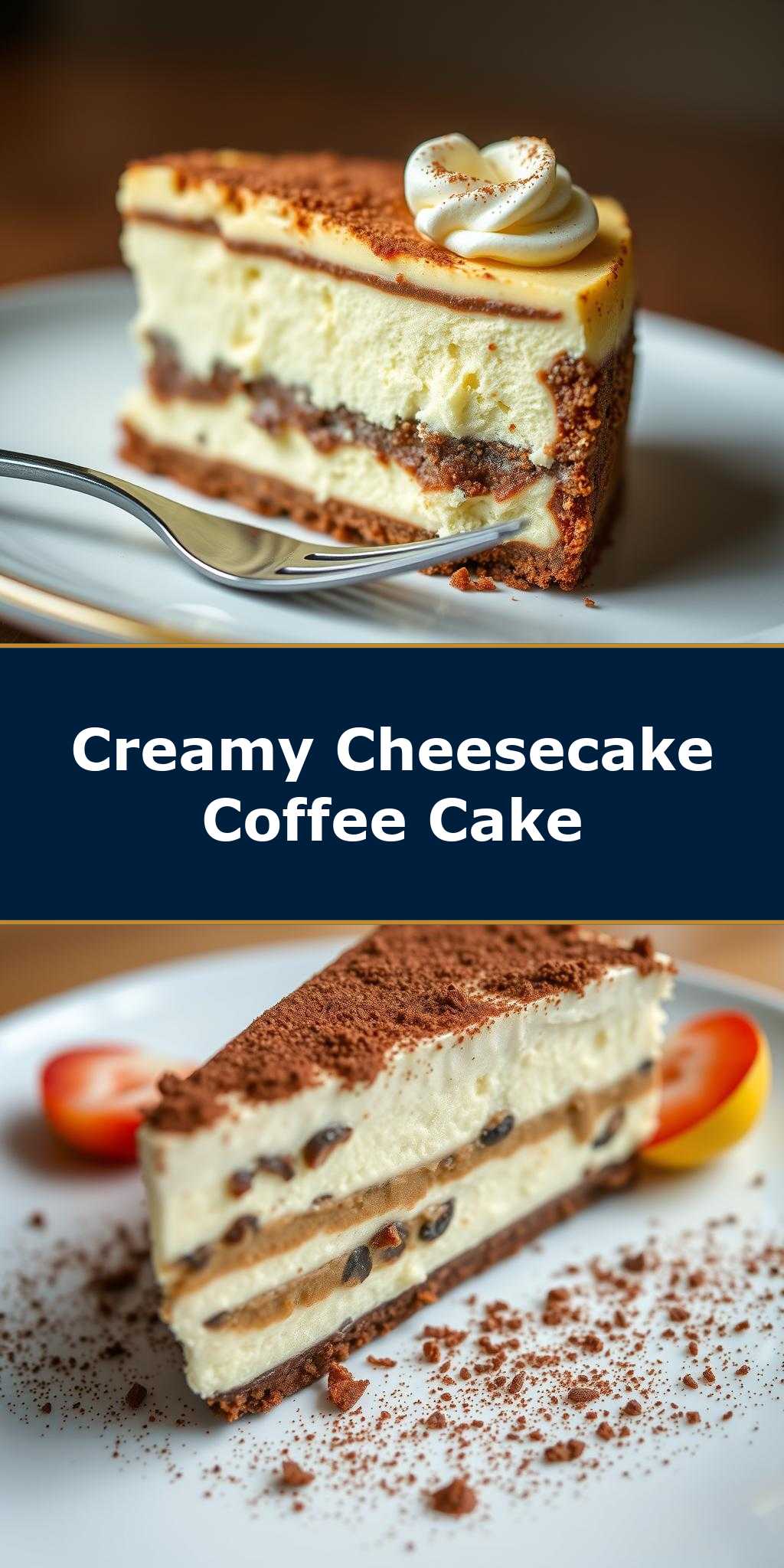
What happens when Italian classic tiramisu meets creamy cheesecake? A show-stopping dessert made with ladyfingers and mascarpone cheese, perfect for a homemade family favorite or easy weeknight treat, save this idea for your next special occasion.
Tiramisu Cheesecake
Introduction
Imagine a dessert that combines the creamy richness of cheesecake with the bold, coffee-infused flavors of tiramisu. This Tiramisu Cheesecake is a game-changer for anyone looking to impress their dinner guests without spending hours in the kitchen. Using everyday ingredients and simple techniques, you can create a show-stopping dessert that’s both decadent and delicious. The best part? It’s incredibly easy to make and requires minimal special equipment, making it perfect for bakers of all skill levels.
Why This Works
- Flavor balance and ingredient accessibility: This recipe strikes a perfect balance between the brightness of coffee, the richness of cream cheese, and the subtle sweetness of ladyfingers, all using ingredients that are easily found in most supermarkets.
- Ease of preparation: Despite its impressive appearance and complex flavors, this cheesecake is surprisingly straightforward to prepare, with a simple crust, a quick mix-and-pour filling, and a straightforward assembly process.
- Impressive results with minimal effort: The layering of ladyfingers soaked in coffee and liqueur with the creamy cheesecake mixture creates a visually stunning dessert that’s sure to impress, all without requiring intricate decorating skills or special tools.
Key Ingredients
The main ingredients in this Tiramisu Cheesecake include ladyfingers, strong brewed coffee, mascarpone cheese, cream cheese, granulated sugar, large eggs, vanilla extract, and cocoa powder. For the ladyfingers, you can use either savoiardi or malloreddus, depending on what’s available. If you can’t find mascarpone, you can substitute it with a mixture of cream cheese and heavy cream, though the flavor and texture will be slightly different. The coffee can be adjusted to taste, and you can use decaf if you prefer. The cocoa powder adds a nice depth of flavor and can be substituted with melted chocolate if you’re looking for a slightly different twist.
Instructions
- Step 1: Begin by preparing your ingredients. Start by brewing a cup of strong coffee and letting it cool. Dip each ladyfinger into the coffee for about 3-5 seconds on each side. They should be soft and pliable but not too wet. In a large mixing bowl, combine the mascarpone cheese, cream cheese, granulated sugar, large eggs, and vanilla extract. Mix until smooth and creamy.
- Step 2: Cook or mix the base ingredients. In this case, it’s all about mixing. Ensure your cheesecake mixture is well combined and smooth. If using a water bath, prepare it by boiling some water and reducing the heat to a simmer.
- Step 3: Layer flavors or textures. Pour half of the cheesecake mixture into the prepared pan. Arrange a layer of the coffee-soaked ladyfingers on top of the cheesecake mixture. You may need to trim the ladyfingers to fit the pan. Pour the remaining cheesecake mixture over the ladyfingers. If desired, sprinkle with cocoa powder or grated chocolate.
- Step 4: Final touches and plating. Once the cheesecake is set and cooled, you can remove it from the pan and transfer it to a serving plate. Dust with cocoa powder or powdered sugar before serving. You can also garnish with additional ladyfingers, whipped cream, or chocolate shavings for extra flair.
Handy Tips
- When dipping ladyfingers in coffee, be careful not to over-soak them, as this can make the cheesecake too wet and prone to breaking apart. A quick dip on each side is all you need.
- For a cleaner slice, dip your knife in hot water before cutting the cheesecake. This will help prevent the cheesecake from cracking and make serving easier.
- Consider using high-quality ingredients, especially the coffee and chocolate, as these will significantly impact the flavor of your cheesecake.
Heat Control
If you’re using a water bath to bake your cheesecake, it’s essential to control the heat carefully. The water should be simmering, not boiling, and the oven temperature should be moderate, around 325°F (165°C), to prevent cracking and ensure even cooking. The cheesecake is done when the edges are set, and the center is just slightly jiggly. Avoid overbaking, as this can cause the cheesecake to dry out.
Crunch Factor
The crunch in this dessert comes from the ladyfingers, which provide a nice textural contrast to the creamy cheesecake. To maintain this crunch, avoid over-soaking the ladyfingers, and make sure they’re completely covered by the cheesecake mixture to prevent them from drying out during baking.
Pro Kitchen Tricks
- To ensure your cheesecake releases cleanly from the pan, make sure to grease it well before adding the crust and filling. A mixture of butter and granulated sugar works well for this.
- For a smooth cheesecake, avoid overmixing the batter, especially after adding the eggs. Stop mixing as soon as the ingredients are combined.
- If you notice your cheesecake starting to crack, you can try reducing the oven temperature or using a water bath to create a more stable environment.
Storage Tips
- Leftover cheesecake can be stored in the refrigerator for up to 5 days. Wrap it tightly in plastic wrap or aluminum foil to prevent drying out.
- For longer storage, consider freezing the cheesecake. Wrap it tightly in plastic wrap or aluminum foil and place it in a freezer-safe bag. Frozen cheesecake can be stored for up to 2 months. Thaw frozen cheesecake in the refrigerator overnight before serving.
- When reheating, avoid using the microwave, as this can cause uneven heating and a soggy texture. Instead, let the cheesecake come to room temperature or reheat it gently in a low-temperature oven.
Gift Packaging Ideas
This Tiramisu Cheesecake makes a wonderful gift, especially for coffee lovers. Consider packaging it in a beautiful cake box or wrapping it in decorative paper and twine. You could also add a bag of specialty coffee or a box of ladyfingers on the side for an extra-special touch. For a more rustic look, use a wooden crate or a vintage tin, and don’t forget to include a handwritten note or card with the recipe and baking instructions.
Flavor Variations
- Different spices: Try adding a pinch of cinnamon, nutmeg, or cardamom to the cheesecake mixture for a unique twist.
- Creative toppings: Instead of cocoa powder, top your cheesecake with whipped cream, chocolate shavings, or caramel sauce for added flavor and texture.
- Ingredient swaps: Substitute the mascarpone with ricotta or the coffee with espresso for a stronger flavor. You could also use different types of liqueur, like Kahlúa or Baileys, for a different twist.
Troubleshooting
- Texture problems: If your cheesecake turns out too dense, it may be due to overmixing. If it’s too soggy, the ladyfingers might have been over-soaked. Adjust your technique accordingly for the next batch.
- Ingredient replacements: If you can’t find ladyfingers, you can try using sponge cake or even pound cake as a substitute, though the texture will be slightly different.
- Over/undercooking signs: Keep an eye on your cheesecake while it’s baking. If the edges start to brown too quickly, cover the pan with foil. If the center is still very jiggly after the recommended baking time, give it a few more minutes and check again.
FAQs
- Can I freeze it? Yes, you can freeze the cheesecake for up to 2 months. Thaw it in the refrigerator overnight before serving.
- Is it gluten-free? This recipe uses ladyfingers, which typically contain gluten. However, you can find gluten-free ladyfingers or substitute them with a gluten-free alternative.
- Can I double the recipe? Yes, you can double the recipe, but keep in mind that you’ll need a larger pan and possibly more baking time. Always check the cheesecake for doneness regardless of the size.
Conclusion
This Tiramisu Cheesecake is a masterpiece of flavors and textures, combining the best of both worlds in one decadent dessert. With its straightforward preparation, impressive presentation, and rich, coffee-infused taste, it’s sure to become a favorite among your family and friends. Don’t be afraid to experiment with different flavors and toppings to make it your own, and enjoy the process of creating something truly special. Whether you’re a seasoned baker or just starting out, this recipe is a must-try for anyone looking to elevate their dessert game.