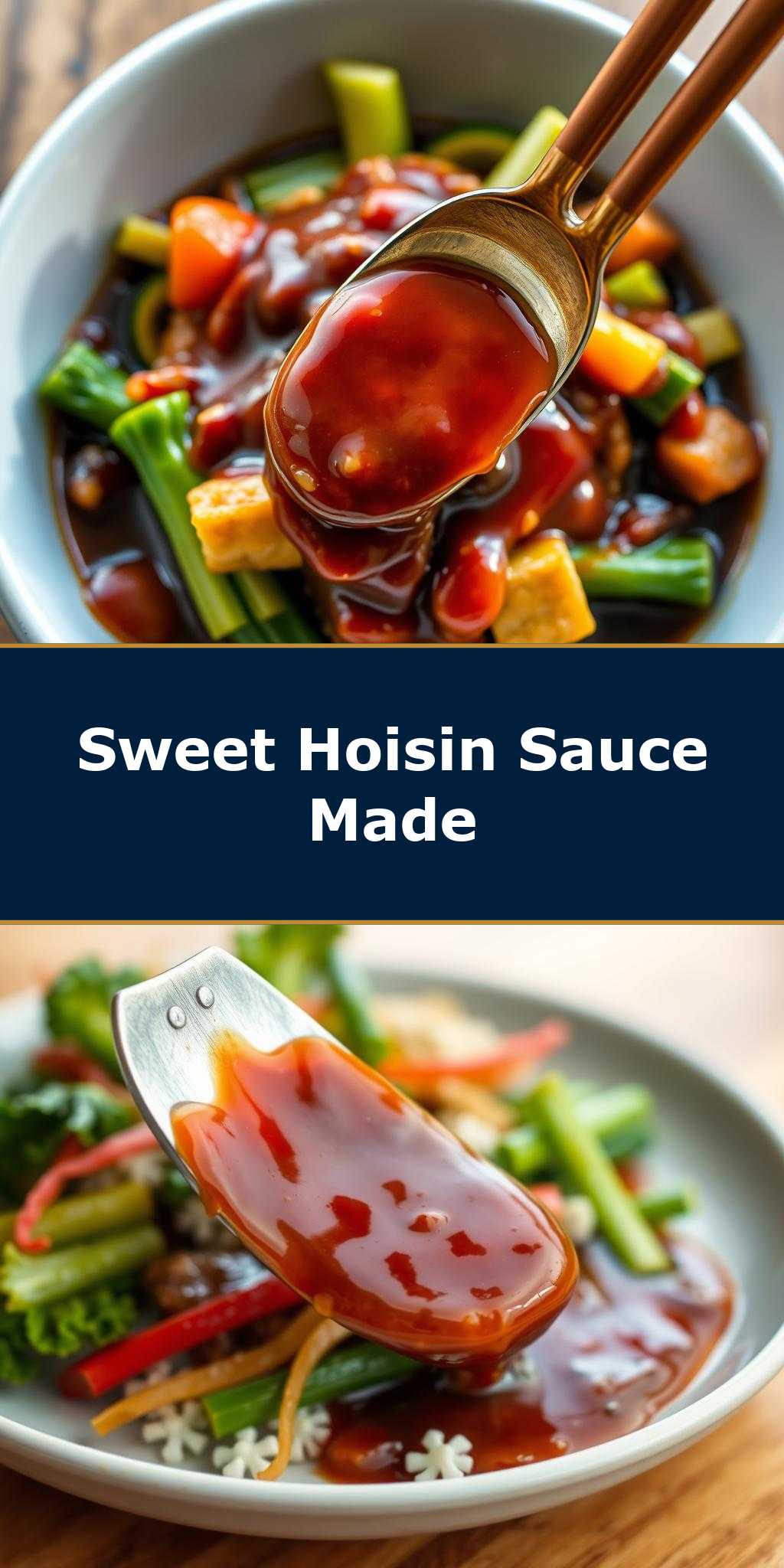
What’s the secret to authentic Chinese flavors at home? Making your own homemade hoisin sauce from scratch with simple ingredients like soy sauce and garlic is a total game changer for quick weeknight dinners. Save this easy recipe idea for later and elevate your family favorite dishes with this versatile condiment, perfect for a delicious homemade meal. Try it soon
Flavorful Homemade Hoisin Sauce Recipe
Introduction
Imagine being able to craft your own delicious, authentic-tasting hoisin sauce right in the comfort of your home, using everyday ingredients that are easily accessible. This flavorful homemade hoisin sauce recipe is not only a game-changer for anyone who loves Chinese cuisine, but it’s also incredibly easy to make, requiring minimal effort for impressive results. With its perfect balance of sweet, savory, and spicy flavors, this sauce is versatile and can elevate a wide range of dishes from stir-fries and marinades to dips and sauces. The best part? You get to control the ingredients, ensuring that your hoisin sauce is made with love and care, free from preservatives and additives found in store-bought versions.
Why This Works
- Flavor balance and ingredient accessibility: This recipe strikes a perfect balance between sweet, salty, and umami flavors, using ingredients that are readily available in most supermarkets.
- Ease of preparation: The process is straightforward and simple, requiring no special cooking techniques or equipment beyond a blender or food processor.
- Impressive results with minimal effort: Despite its simplicity, the end result is a rich, complex sauce that tastes like it was made in a professional kitchen, sure to impress family and friends.
Key Ingredients
The foundation of this homemade hoisin sauce includes soy sauce, which provides a deep umami flavor; rice vinegar, adding a touch of acidity; honey, for sweetness; garlic and ginger, minced for added depth and warmth; and sesame oil, contributing a distinct nutty flavor. For practical substitutions, you can use maple syrup instead of honey and tamari or coconut aminos as a gluten-free alternative to soy sauce. The ingredients are blended together with some water to achieve the desired consistency, making it a very adaptable recipe to suit various tastes and dietary requirements.
Instructions
- Step 1: Begin by preparing your ingredients. Mince the garlic and ginger, and measure out the soy sauce, rice vinegar, honey, and sesame oil. This step ensures that you have everything ready to go, making the process smoother and more efficient.
- Step 2: In a blender or food processor, combine the soy sauce, rice vinegar, honey, garlic, ginger, and sesame oil. Blend these ingredients until they are well combined and the garlic and ginger are fully incorporated, ensuring a smooth texture.
- Step 3: With the blender or food processor running, slowly add in water. Continue blending until you achieve your desired consistency. Some prefer their hoisin sauce thick and syrupy, perfect for marinades or as a dip, while others like it a bit thinner for easier pouring over dishes.
- Step 4: Taste the sauce and adjust the seasoning as needed. You might find it needs a bit more honey for sweetness, soy sauce for saltiness, or rice vinegar for a tangier flavor. This step is crucial as it allows you to personalize the flavor to your liking.
Handy Tips
- When blending, start with a small amount of water and add more as needed, to avoid ending up with a sauce that’s too thin. Also, be mindful of the type of soy sauce you use, as different brands can vary significantly in saltiness and flavor depth.
Heat Control
This recipe does not require cooking, as the ingredients are blended raw. However, if you choose to simmer your hoisin sauce to reduce it and thicken the consistency, be cautious not to overheat. Ideal temperatures should not exceed a gentle simmer, and constant stirring is recommended to prevent burning or sticking. The sauce is ready when it has reduced slightly and coats the back of a spoon, indicating the desired thickness.
Crunch Factor
This hoisin sauce recipe results in a smooth, velvety texture, ideal for coating foods evenly or as a dipping sauce. If you’re looking to add a crunch factor to dishes where you’ll be using this sauce, consider topping with toasted sesame seeds, chopped nuts, or crispy fried onions for added texture and visual appeal.
Pro Kitchen Tricks
- For an even deeper flavor, roast the garlic and ginger in the oven until soft and caramelized before blending. This step adds a richness and depth to the sauce that elevates it to the next level.
- Consider making a double batch and canning it for future use. Homemade hoisin sauce makes a wonderful gift for foodie friends and family, especially when packaged in decorative jars with a personal touch.
Storage Tips
- Store your homemade hoisin sauce in an airtight container in the refrigerator. It should keep well for several weeks. For longer storage, consider freezing it in ice cube trays and then transferring the frozen cubes to a freezer-safe bag or container for up to 6 months.
- When reheating, simply thaw frozen cubes overnight in the fridge or reheat gently over low heat, whisking constantly to prevent separation.
Gift Packaging Ideas
For a thoughtful and unique gift, fill decorative glass jars with your homemade hoisin sauce and add a ribbon or label with serving suggestions or the recipe itself. You can also include a small cookbook with recipes that feature hoisin sauce as a main ingredient, or pair the sauce with complementary items like stir-fry utensils, a wok, or a selection of Asian spices.
Flavor Variations
- Different spices: Experiment with adding a pinch of cayenne pepper for a spicy kick, or some ground cinnamon for a warmer, more aromatic flavor.
- Creative toppings: Use your hoisin sauce as a base and mix in chopped green onions, grated carrots, or minced fresh herbs like cilantro or basil for added freshness and texture.
- Ingredient swaps: Try substituting the honey with another sweetener like date syrup or agave nectar, or using different types of vinegar like apple cider or balsamic for a unique twist.
Troubleshooting
- Texture problems: If your sauce ends up too thick, thin it out with a bit of water. If it’s too thin, simmer it gently to reduce and thicken.
- Ingredient replacements: Always taste as you go and adjust the seasoning. If you find the sauce too salty, add a bit more honey or water. If it’s not salty enough, add more soy sauce.
- Over/undercooking signs: Since this recipe doesn’t require cooking, the main concern is blending the ingredients smoothly and achieving the desired consistency. Avoid over-blending, which can introduce air and make the sauce frothy.
FAQs
- Can I freeze it? Yes, freezing is a great way to store homemade hoisin sauce for later use. Simply pour the sauce into an airtight container or freezer-safe bag, removing as much air as possible before sealing, and store in the freezer for up to 6 months.
- Is it gluten-free? Depending on the soy sauce used, this recipe may not be gluten-free. Look for gluten-free soy sauce or tamari to make a version that is safe for those with gluten intolerance or sensitivity.
- Can I double the recipe? Absolutely, doubling or even tripling the recipe is easy and a great idea if you plan to use the sauce frequently or want to share some with friends and family. Just be sure to adjust the blending time accordingly if using a larger quantity of ingredients.
Conclusion
Making your own hoisin sauce at home is a rewarding process that allows you to tailor the flavor to your preferences and dietary needs. With its versatility and rich, complex taste, this homemade hoisin sauce is sure to become a staple in your kitchen, enhancing the flavor of countless dishes and inspiring new culinary creations. Don’t be afraid to experiment and share your variations with friends and family, and enjoy the process of crafting something truly special and delicious.