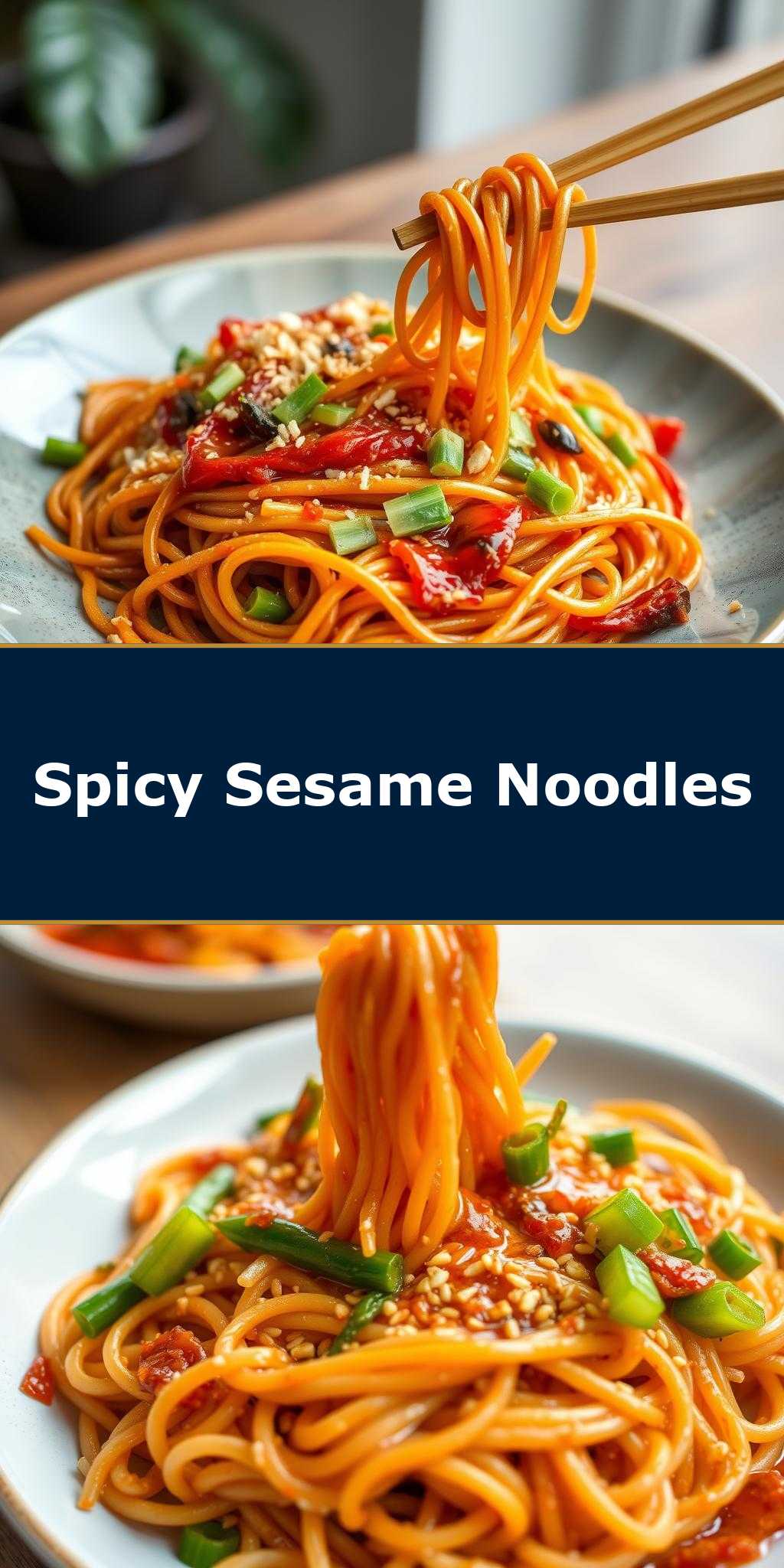
What sets your taste buds ablaze? These flavorful spicy sesame gochujang noodles are a quick and easy weeknight dinner solution, packed with the deep heat of gochujang and nutty sesame oil. Save this idea for a homemade meal that will become a family favorite, try it soon and enjoy the bold flavors.
Flavorful Spicy Sesame Gochujang Noodles
Introduction
Imagine a dish that combines the deep, nutty flavor of sesame with the spicy kick of gochujang, all wrapped up in a deliciously satisfying noodle dish. This recipe for Flavorful Spicy Sesame Gochujang Noodles is not only incredibly easy to make, requiring minimal effort for maximum flavor, but it’s also highly customizable, allowing you to get creative with everyday ingredients. Whether you’re a fan of spicy foods, sesame, or just looking for a new noodle recipe to add to your repertoire, this dish is sure to delight. With its perfect balance of flavors and textures, it’s a great option for a quick weeknight dinner or a special occasion meal.
Why This Works
- The balance of spicy and nutty flavors creates a rich and engaging taste experience, making each bite interesting and satisfying.
- The accessibility of the ingredients means that you can easily find everything you need in most supermarkets, without having to hunt down specialty stores.
- The ease of preparation is a significant advantage, as the dish can be ready in under 30 minutes, making it perfect for busy days when you still want a homemade meal.
- Despite the simplicity of the recipe, the results are impressive, with a depth of flavor that belies the minimal effort required, making it a great dish to serve to guests.
Key Ingredients
The main ingredients in this recipe include gochujang, a Korean chili paste that gives the dish its spicy kick; sesame oil and sesame seeds, which add a deep, nutty flavor; noodles, which can be any type you prefer but work best with thinner varieties like rice noodles or soba noodles; vegetables such as bell peppers and carrots, which add crunch and color; and your choice of protein, such as chicken, tofu, or shrimp, to make the dish more substantial. Practical substitutions can be made based on dietary preferences and ingredient availability, such as using gluten-free soy sauce or swapping chicken for tofu to make the dish vegetarian.
Instructions
- Step 1: Begin by preparing your ingredients. Chop the vegetables into bite-sized pieces, slice the protein into thin strips, and cook the noodles according to the package instructions. Drain the noodles and set them aside.
- Step 2: In a large pan or wok, heat a couple of tablespoons of sesame oil over medium heat. Add the sliced protein and cook until it’s browned and cooked through. Remove the protein from the pan and set it aside with the noodles.
- Step 3: In the same pan, add more sesame oil if necessary, then add the chopped vegetables. Cook until they’re tender but still crisp, then add the gochujang, stirring to combine. Let the gochujang heat through for a minute, until fragrant, then add the cooked noodles and protein back into the pan, tossing everything together to coat the noodles and protein with the spicy sesame sauce.
- Step 4: Finally, add some sesame seeds on top and serve hot. You can customize the dish with your favorite toppings, such as green onions, bean sprouts, or additional sesame seeds.
Handy Tips
- When cooking with gochujang, start with a small amount and taste as you go, adding more heat to your liking. Gochujang can be quite spicy, so it’s better to err on the side of caution.
- For an extra crunchy texture, add some toasted sesame seeds or chopped nuts on top of the noodles before serving.
- Consider using a variety of colored bell peppers to add visual appeal to the dish. Red, yellow, and orange bell peppers can add a pop of color and make the dish more inviting.
Heat Control
If you’re concerned about the heat level of the dish, you can control it by adjusting the amount of gochujang you use. Start with a small amount, such as one teaspoon, and add more to taste. You can also add some dairy, such as yogurt or milk, to help cool down the spiciness. When cooking, make sure to stir constantly to prevent the gochujang from burning or sticking to the pan, which can intensify the heat.
Crunch Factor
Achieving the right texture is key to this dish. The combination of crunchy vegetables, chewy noodles, and tender protein creates a satisfying mouthfeel. To enhance the crunch factor, make sure not to overcook the vegetables. They should be tender but still retain some crispness. Additionally, sprinkling some toasted sesame seeds or chopped nuts on top can add an extra layer of texture and flavor.
Pro Kitchen Tricks
- One expert tip is to use a mixture of sesame oil and another neutral oil, like canola or vegetable oil, to prevent the sesame oil from overpowering the dish. Sesame oil can be quite strong, so using it in moderation is key.
- Another trick is to cook the noodles slightly under the recommended time, then finish cooking them in the pan with the sauce. This helps the noodles absorb more of the flavorful sauce.
- For easier cleanup, consider cooking the protein and vegetables in a wok or a large skillet with a non-stick surface. This will prevent the gochujang sauce from sticking and making a mess.
Storage Tips
- Leftovers can be stored in an airtight container in the refrigerator for up to 3 days. Reheat the dish in the microwave or on the stovetop, adding a bit of water if the sauce has thickened.
- For longer storage, consider freezing the cooked noodles and sauce separately. Frozen noodles and sauce can be stored for up to 2 months. Simply thaw and reheat when ready to eat.
- The best containers for storing this dish are airtight, microwave-safe containers to prevent leakage and make reheating easy.
Gift Packaging Ideas
If you’re considering gifting this dish, such as taking it to a potluck or giving it as a care package, you can package it in a decorative jar or container. Layer the noodles, sauce, and toppings in a visually appealing way, then seal the jar. Add a ribbon or a gift tag with heating instructions for a personal touch. This can also be a great way to share the recipe with friends and family, allowing them to enjoy it at their convenience.
Flavor Variations
- Experiment with different spices, such as adding some cumin for a smoky flavor or coriander for a citrusy note.
- Get creative with toppings, such as adding some pickled ginger, diced green chilies, or a sprinkle of furikake for added depth of flavor.
- Swap out ingredients, such as using different types of protein or noodles, to change up the texture and flavor profile of the dish.
Troubleshooting
- If the dish becomes too spicy, try adding a dairy product like yogurt or milk to cool it down. You can also add more noodles or vegetables to dilute the heat.
- If the noodles become too sticky or clumpy, try rinsing them with cold water or adding a bit of oil to separate them.
- Watch for signs of overcooking, such as the noodles becoming mushy or the vegetables losing their crunch. Adjust the cooking time as needed to achieve the perfect texture.
FAQs
- Can I freeze it? Yes, you can freeze the cooked noodles and sauce separately for up to 2 months. Simply thaw and reheat when ready to eat.
- Is it gluten-free? Depending on the type of noodles and sauce you use, this dish can be gluten-free. Make sure to choose gluten-free noodles and check the ingredients of the gochujang and soy sauce to ensure they are gluten-free.
- Can I double the recipe? Yes, you can easily double or triple the recipe to feed a larger crowd. Just remember to adjust the cooking time slightly if you’re cooking in larger quantities.
Conclusion
This recipe for Flavorful Spicy Sesame Gochujang Noodles is a versatile and delicious addition to any meal repertoire. With its balance of spicy and nutty flavors, ease of preparation, and customization options, it’s a dish that can be enjoyed by everyone. Whether you’re a seasoned cook or just starting out, this recipe is a great way to explore the flavors of Korean cuisine and add some excitement to your meals. So don’t be afraid to get creative, experiment with different ingredients, and share your creations with friends and family. Happy cooking!