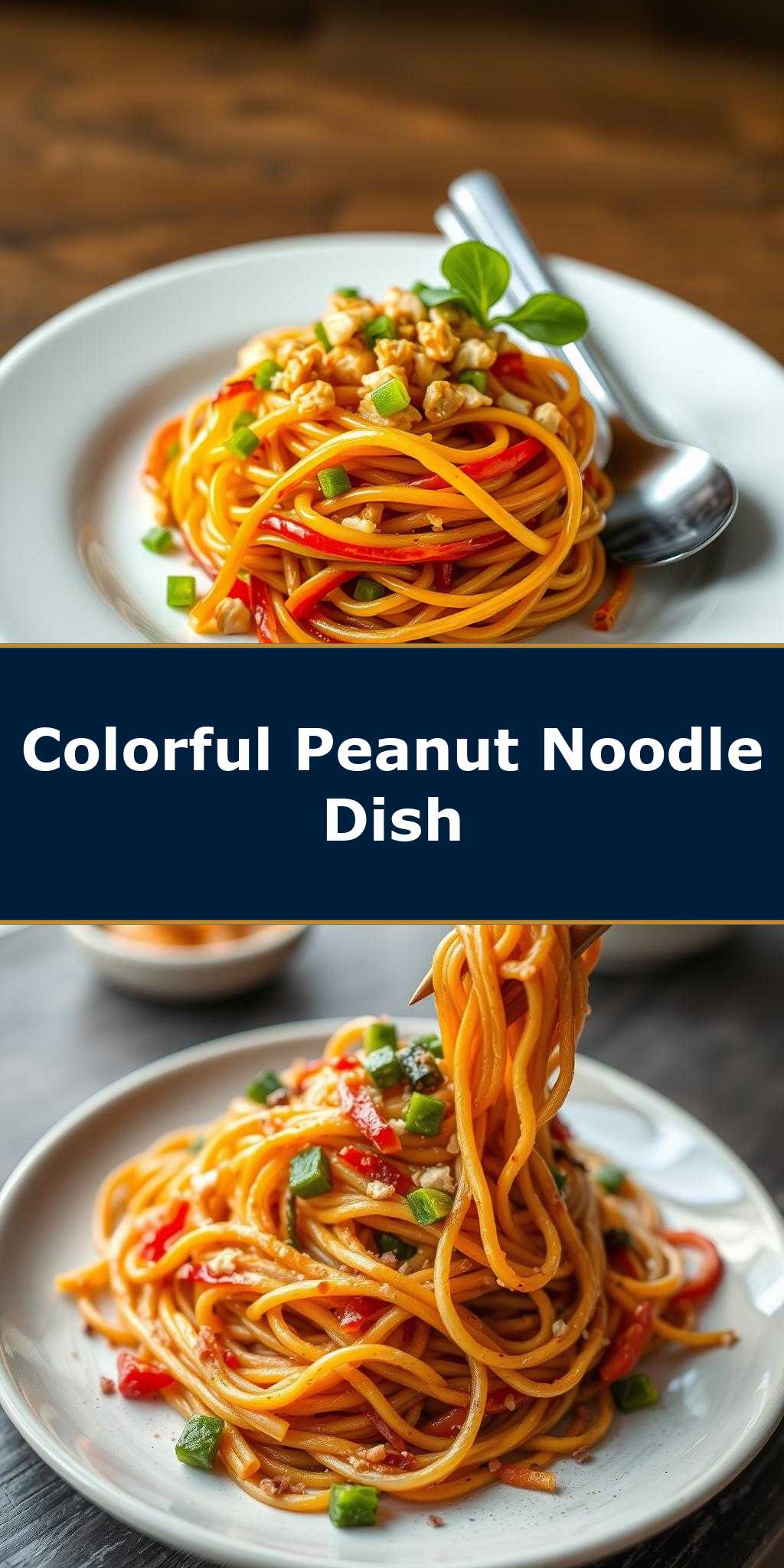
What makes a perfect weeknight dinner? For me, it’s all about quick and easy homemade meals like these rainbow peanut noodles, packed with flavorful peanuts and savory sauce. Try cooking them in under 30 minutes for a delicious family favorite, save this idea for your next meal inspiration.
Rainbow Peanut Noodles Bursting with Flavor!
Introduction
Imagine a dish that’s as vibrant as a rainbow, packed with the richness of peanuts, and bursting with a variety of flavors that will leave your taste buds dancing. Welcome to the world of Rainbow Peanut Noodles, a culinary masterpiece that combines the simplicity of everyday ingredients with the creativity of international cuisine. This recipe is a testament to how easy it is to create something truly special with minimal effort, using items you likely have in your pantry. Whether you’re a seasoned chef or a culinary newbie, this dish promises to impress with its balance of textures and flavors, making it perfect for both family dinners and fancy gatherings.
Why This Works
- Flavor balance and ingredient accessibility: The beauty of this recipe lies in its use of common ingredients that are easily accessible in most supermarkets, combined in a way that creates a harmonious balance of sweet, savory, and spicy flavors.
- Ease of preparation: Despite its impressive presentation, this dish is surprisingly easy to prepare. It requires minimal cooking skills and can be ready in under 30 minutes, making it a perfect choice for busy weeknights or last-minute entertaining.
- Impressive results with minimal effort: The combination of colorful vegetables, the richness of peanut sauce, and the simplicity of noodles creates a visually stunning dish that looks like it came straight out of a gourmet restaurant, all with minimal fuss and effort.
Key Ingredients
The magic of Rainbow Peanut Noodles begins with its key ingredients. You’ll need a variety of colorful vegetables such as bell peppers, carrots, and snap peas to give it that rainbow effect. For the noodles, rice noodles or soba noodles work beautifully and can be found in most health food sections or international aisles of your local supermarket. The star of the show, however, is the peanut sauce, made from a combination of creamy peanut butter, soy sauce, garlic, ginger, and a squeeze of fresh lime juice. Practical substitutions can be made with almond butter for a nut-free alternative or by using different types of noodles based on dietary preferences or availability.
Instructions
- Step 1: Begin by preparing your ingredients. Chop the bell peppers, carrots, and snap peas into bite-sized pieces. Cook your noodles according to the package instructions and set them aside. In a blender or food processor, combine peanut butter, soy sauce, minced garlic, grated ginger, lime juice, and a bit of water to create the peanut sauce. Blend until smooth and creamy.
- Step 2: In a large skillet or wok, heat a couple of tablespoons of olive oil over medium heat. Add the chopped vegetables and cook until they’re tender but still crisp, about 5 minutes. Add the cooked noodles to the skillet and toss them with the vegetables.
- Step 3: Pour the peanut sauce over the noodles and vegetables, and stir-fry everything together for about 2-3 minutes, until the noodles are well coated with the sauce and the vegetables are evenly distributed.
- Step 4: For the final touches, sprinkle some chopped peanuts and sesame seeds over the top. You can also add some fresh cilantro or scallions for extra flavor and color. Serve hot and enjoy the delightful combination of flavors and textures.
Handy Tips
- One of the handy tips for making this dish even more special is to customize the peanut sauce to your taste. If you prefer it spicier, add some red pepper flakes. If you like it creamier, add a bit more peanut butter or some coconut milk.
- Another tip is to not overcook the noodles or the vegetables. The goal is to retain their natural crunch and texture, which complements the softness of the noodles perfectly.
- Lastly, consider what you have in your fridge and pantry and get creative with your additions. Whether it’s cooked chicken, tofu, or some leftover vegetables, this dish is highly adaptable and can be tailored to suit any dietary need or preference.
Heat Control
When cooking the Rainbow Peanut Noodles, heat control is crucial. Ideally, you want to cook the vegetables and noodles over medium heat, ensuring that everything is cooked through but not overcooked. The peanut sauce should be heated gently, either by stirring it into the hot noodles and vegetables or by warming it slightly in the microwave or on the stovetop, to prevent it from becoming too thick or separating. The perfect doneness is achieved when the vegetables are tender but still crisp, and the noodles are well coated with the flavorful peanut sauce.
Crunch Factor
The crunch factor in this dish comes from the combination of crunchy vegetables and the nutty texture of peanuts and sesame seeds. To achieve the perfect crunch, make sure not to overcook the vegetables. A quick stir-fry is all you need to retain their natural texture. Additionally, sprinkling some toasted peanuts and sesame seeds over the top just before serving adds a delightful crunch and freshness to the dish.
Pro Kitchen Tricks
- One of the pro kitchen tricks for this recipe is to prepare the peanut sauce ahead of time. It can be made a day or two in advance and stored in the refrigerator, allowing the flavors to meld together beautifully.
- Another trick is to use a variety of colorful vegetables not just for their nutritional value but also for their texture. Combining soft bell peppers with crunchy carrots and snap peas creates a delightful mix of textures in each bite.
- Lastly, for a cleanup hack, consider cooking the noodles and preparing the peanut sauce while you’re stir-frying the vegetables. This multitasking approach not only saves time but also reduces the number of pots and pans you need to clean afterwards.
Storage Tips
- The best way to store leftover Rainbow Peanut Noodles is in an airtight container in the refrigerator. They can be safely stored for up to 3 days.
- For reheating, simply warm the noodles gently in the microwave or on the stovetop with a bit of water or peanut sauce to prevent them from drying out.
- As for shelf life, the peanut sauce can be made ahead and stored for up to a week in the fridge, making it a great component to have ready for quick meals.
Gift Packaging Ideas
If you’re considering gifting this dish, perhaps for a potluck or as a meal for a friend, there are several creative ways to package it. You can serve the noodles in a beautiful ceramic bowl, topped with a variety of colorful vegetables and a drizzle of peanut sauce, and garnished with fresh herbs. Alternatively, individual servings can be packaged in mason jars, layered with noodles, vegetables, and sauce, and finished with a sprinkle of peanuts and sesame seeds. A simple ribbon or a gift tag with the ingredients used can add a personal touch.
Flavor Variations
- Different spices can completely transform the flavor profile of the dish. Consider adding some curry powder for an Indian-inspired twist or some chili flakes for a spicy kick.
- Creative toppings can also elevate the dish. Whether it’s toasted cashews, diced mango, or pickled ginger, the options are endless and can add unique textures and flavors to each serving.
- Ingredient swaps are another way to innovate. Swapping peanut butter with almond butter or using different types of protein like chicken or tofu can cater to various dietary needs and preferences.
Troubleshooting
- Texture problems, such as overcooked noodles or mushy vegetables, can be avoided by cooking everything just until it’s done and then stopping the heat. A quick stir-fry is key to retaining the natural crunch of the vegetables.
- Ingredient replacements, such as using sunflower seed butter for a nut-free alternative, can be necessary for dietary restrictions. Always taste as you go and adjust the seasoning accordingly.
- Over or undercooking signs are crucial to watch out for. Noodles that are overcooked will be mushy and unappetizing, while undercooked vegetables will be hard and crunchy in an unpleasant way. Adjust your cooking time based on the specific ingredients you’re using and their quantities.
FAQs
- Can I freeze it? Yes, you can freeze the peanut sauce and cooked noodles separately for up to 2 months. However, it’s best to add the fresh vegetables just before serving to retain their texture and color.
- Is it gluten-free? This recipe can be easily made gluten-free by using gluten-free soy sauce and ensuring that the noodles are gluten-free. Always check the labels of your ingredients.
- Can I double the recipe? Absolutely, this recipe can be doubled or even tripled for larger gatherings. Just remember to adjust the cooking time slightly if you’re cooking in larger batches.
Conclusion
With its vibrant colors, rich flavors, and ease of preparation, Rainbow Peanut Noodles is a dish that truly has something for everyone. Whether you’re a foodie looking for a new challenge, a busy parent seeking a quick and healthy meal option, or simply someone who loves to cook and share delicious food with others, this recipe is sure to delight. So go ahead, get creative with your ingredients, and don’t hesitate to reach out if you have any questions or need further substitutions or variations. Happy cooking, and let’s make the world a more flavorful and colorful place, one delicious dish at a time!