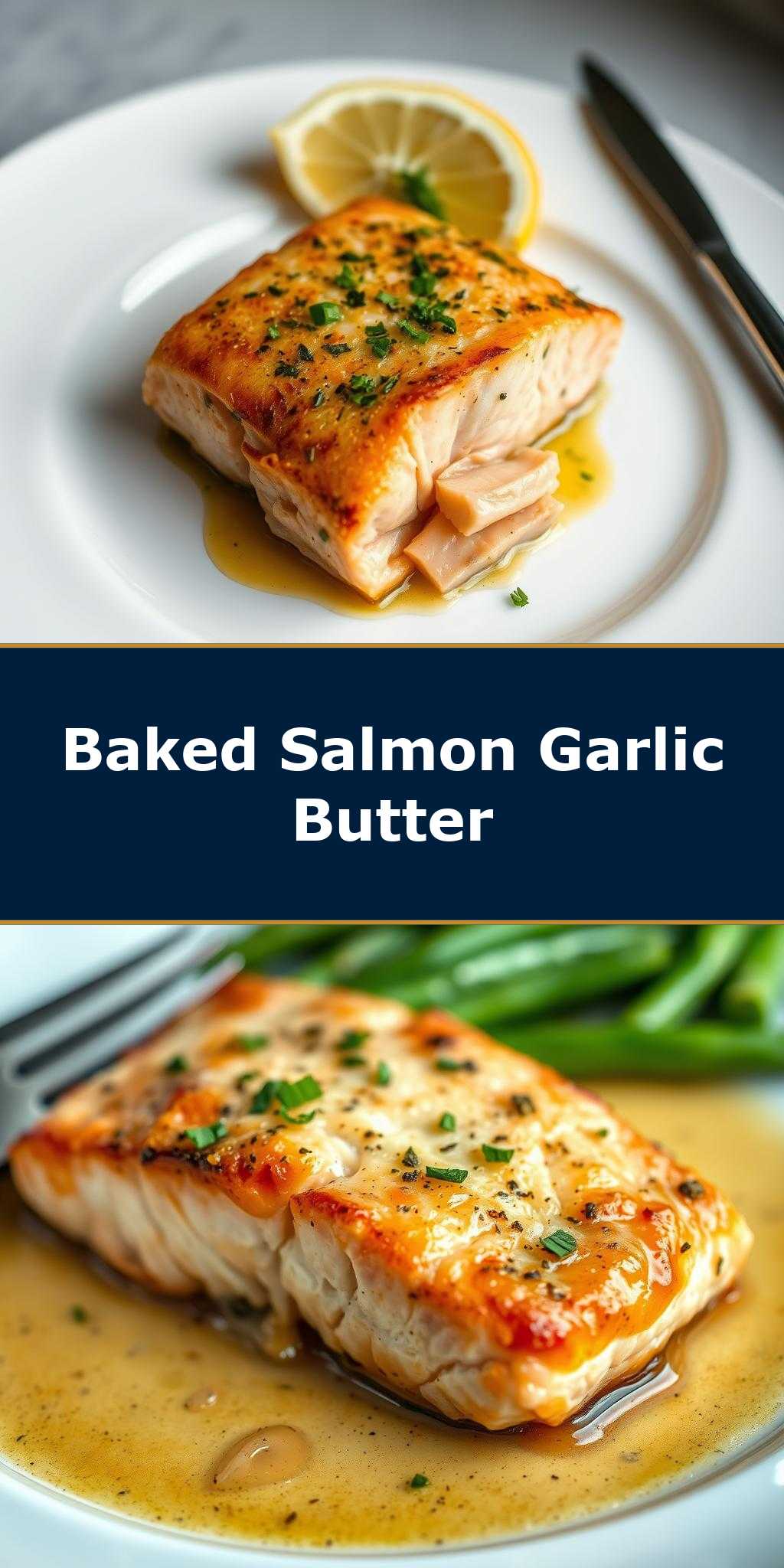
What makes a perfect weeknight dinner? A delicious homemade meal like garlic butter baked salmon, made with just a few ingredients and requiring minimal effort, making it a quick and easy family favorite. The combination of garlic and butter creates a rich flavor when baked to perfection. Save this idea for a stress-free homemade dinner solution.
Garlic Butter Baked Salmon
Introduction
Imagine a dish so divine, it melts in your mouth, filling your senses with the aromatic flavors of garlic and the richness of butter, all while being incredibly easy to prepare. Welcome to the world of Garlic Butter Baked Salmon, a recipe that stands out for its simplicity, flavor balance, and the creativity it allows with everyday ingredients. This dish is perfect for both beginners and seasoned cooks, offering an impressive culinary experience with minimal effort. Whether you’re looking to impress your guests or simply enjoy a delicious meal, Garlic Butter Baked Salmon is sure to become a favorite.
Why This Works
- Flavor balance and ingredient accessibility: The combination of garlic, butter, and salmon creates a harmonious balance of flavors that is both rich and light. Additionally, the ingredients are easily accessible in most supermarkets, making this dish convenient to prepare.
- Ease of preparation: The steps involved in preparing Garlic Butter Baked Salmon are straightforward and simple, requiring minimal cooking expertise. This makes it an ideal choice for busy evenings or special occasions alike.
- Impressive results with minimal effort: Despite its simplicity, the presentation and flavors of this dish are impressive, making it perfect for entertaining guests or a romantic dinner.
Key Ingredients
The main ingredients for Garlic Butter Baked Salmon include fresh salmon fillets, garlic, unsalted butter, lemon, salt, and pepper. For added flavor, you can also use parsley and dill. Practical substitutions include using margarine instead of butter for a lighter version or opting for garlic powder if fresh garlic is not available. Fresh herbs can be substituted with dried ones, though the flavor might slightly differ. Salmon fillets can be replaced with other fish like tilapia or cod, but keep in mind that cooking times might vary.
Instructions
- Step 1: Begin by preheating your oven to 400°F (200°C). Rinse the salmon fillets under cold water, pat them dry with a paper towel, and season with salt and pepper.
- Step 2: In a small saucepan, melt the butter over medium heat. Add minced garlic and cook for about 1 minute, until fragrant, being careful not to burn the garlic.
- Step 3: Place the salmon fillets in a baking dish lined with parchment paper. Brush the garlic butter mixture evenly over both fillets, ensuring they are fully coated. Squeeze a bit of lemon juice over the salmon and sprinkle with chopped parsley and dill if using.
- Step 4: Bake the salmon in the preheated oven for about 12-15 minutes per pound, or until it reaches an internal temperature of 145°F (63°C). The salmon should flake easily with a fork when it’s done. Remove from the oven, let it rest for a few minutes, and then serve.
Handy Tips
- Always check the freshness of the salmon before purchasing. Fresh salmon should have a pleasant smell, firm texture, and a vibrant color.
- Don’t overcook the salmon. It should be cooked until it just flakes with a fork. Overcooking can make the salmon dry and tough.
- For an extra crispy top, broil the salmon for 1-2 minutes after baking. Keep a close eye to avoid burning.
Heat Control
The ideal temperature for baking salmon is 400°F (200°C), and the cooking time will depend on the thickness of the fillets. A general rule is to cook for 12-15 minutes per pound. It’s essential to check for doneness by inserting a fork; if it flakes easily, the salmon is cooked. Also, use a food thermometer to ensure the internal temperature reaches 145°F (63°C) for food safety.
Crunch Factor
The crunch factor in Garlic Butter Baked Salmon comes from the slightly caramelized garlic butter on top and the texture of the fresh herbs. To enhance the crunch, you can sprinkle some toasted breadcrumbs or chopped nuts over the salmon before baking. However, the primary texture of the dish should be tender and flaky, which is achieved by not overcooking the salmon.
Pro Kitchen Tricks
- For easier cleanup, line your baking dish with parchment paper or aluminum foil before adding the salmon.
- To prevent the garlic from burning, cook it over medium heat and stir constantly.
- Let the salmon rest for a few minutes before serving. This allows the juices to redistribute, making the salmon more tender and flavorful.
Storage Tips
- Leftover salmon can be stored in an airtight container in the refrigerator for up to 3 days. Reheat gently in the oven or microwave until warmed through.
- It’s not recommended to freeze cooked salmon as it can become dry. However, you can freeze raw salmon fillets for up to 6 months. When you’re ready, thaw and cook as instructed.
- Use glass or plastic containers with tight-fitting lids for storing leftovers to maintain freshness and prevent leakage.
Gift Packaging Ideas
While Garlic Butter Baked Salmon is typically served fresh, the concept of gifting can apply to the ingredients or a DIY kit. You can package the ingredients (garlic, butter, lemons, herbs) in a decorative basket or box, along with the recipe printed on a card. Alternatively, prepare a spice mix or herb blend used in the recipe and gift it in small jars with a ribbon and the recipe attached.
Flavor Variations
- Different spices: Try adding a pinch of paprika, cayenne pepper, or dried thyme to the garlic butter for a unique twist.
- Creative toppings: Top the salmon with sliced lemons, capers, or chopped fresh chilies for added flavor and texture.
- Ingredient swaps: Use different types of fish, like cod or tilapia, or substitute butter with olive oil for a lighter version.
Troubleshooting
- Texture problems: If the salmon is dry, it was likely overcooked. Adjust cooking time based on the thickness of the fillets.
- Ingredient replacements: If you’re out of an ingredient, consider the substitutions mentioned earlier, like using margarine instead of butter.
- Over/undercooking signs: Undercooked salmon will be raw and flaky in the center, while overcooked salmon will be dry and tough. Use a thermometer to ensure it reaches 145°F (63°C).
FAQs
- Can I freeze it? It’s not recommended to freeze cooked salmon, but you can freeze raw salmon fillets for later use.
- Is it gluten-free? Yes, Garlic Butter Baked Salmon is naturally gluten-free, making it a great option for those with gluten intolerance.
- Can I double the recipe? Yes, you can easily double or triple the recipe for a larger crowd. Just ensure you have enough baking space and adjust the cooking time slightly if necessary.
Conclusion
Garlic Butter Baked Salmon is a masterpiece of simplicity and flavor, perfect for any meal. Its ease of preparation, impressive results, and versatility make it a must-try for anyone looking to elevate their culinary skills. Feel free to experiment with the recipe, sharing your own twists and tips with friends and family. Whether you’re a seasoned chef or a beginner in the kitchen, this dish is sure to delight, and with a little practice, you’ll be hooked on the magic of Garlic Butter Baked Salmon.