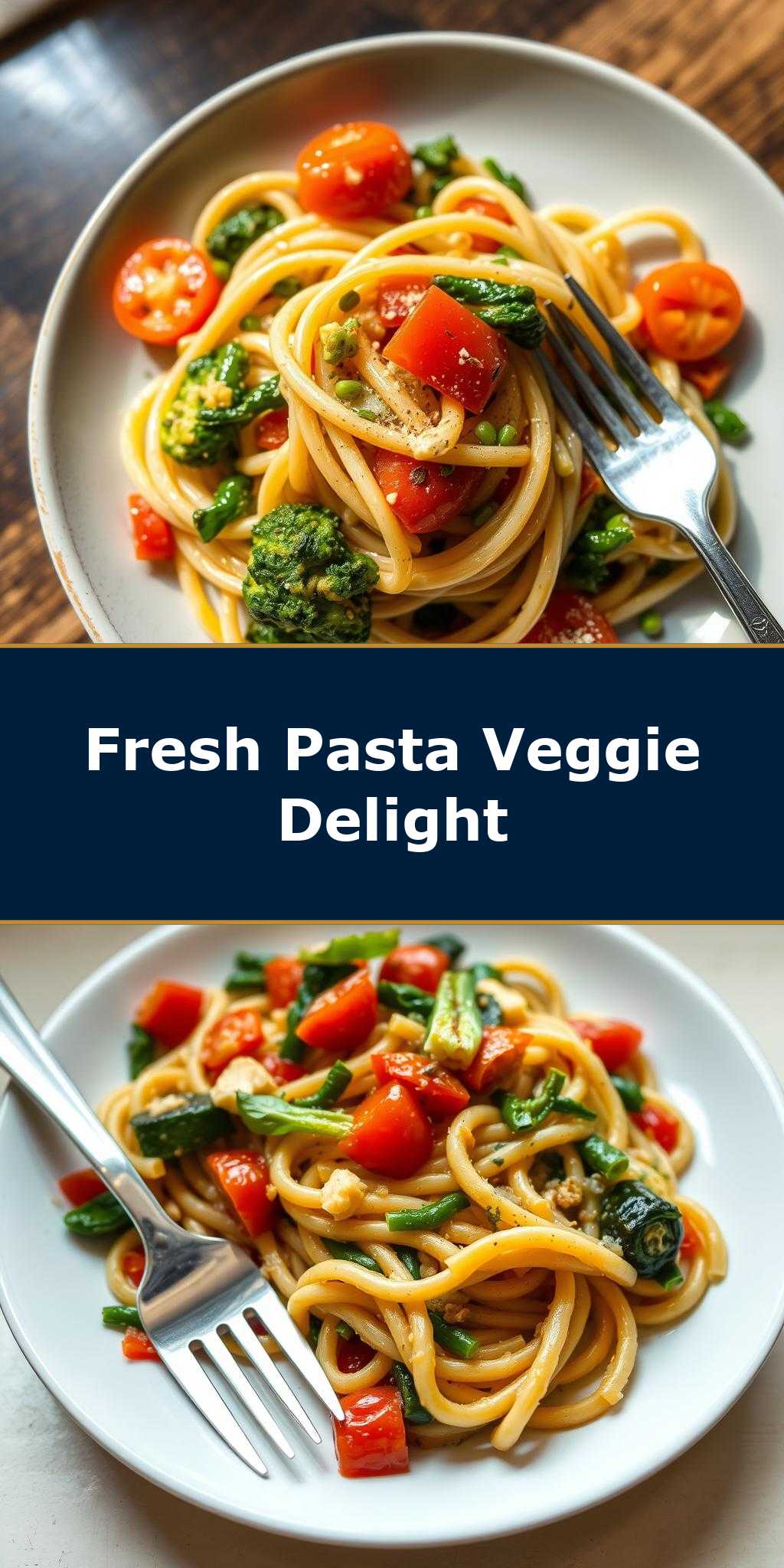
What makes the perfect springtime dinner? Fresh veggies and a light, easy pasta primavera is my top choice for a quick weeknight dinner, especially with homemade pasta sauce and sautéed asparagus. Save this idea for a family favorite meal that is sure to please, try it soon and enjoy the flavors of the season.
Easy Pasta Primavera with Fresh Veggies
Introduction
Welcome to the world of effortless yet impressive dining with our Easy Pasta Primavera with Fresh Veggies recipe. This dish embodies the essence of spring, combining the simplicity of pasta with the vibrant flavors and textures of fresh vegetables. It’s a culinary masterpiece that requires minimal effort but yields a plate full of color, flavor, and creativity, making it perfect for both weeknight dinners and special occasions. The beauty of this recipe lies in its flexibility and accessibility, allowing you to use everyday ingredients and make practical substitutions based on what’s available in your pantry and the current season’s produce.
Why This Works
- Flavor balance and ingredient accessibility: The combination of pasta, olive oil, garlic, and a variety of vegetables creates a balanced flavor profile that’s both satisfying and light. Plus, the ingredients are easily found in most supermarkets, making this dish accessible to everyone.
- Ease of preparation: The steps involved in preparing Pasta Primavera are straightforward and quick, requiring minimal cooking time and effort. This makes it an ideal choice for busy days when you still want to enjoy a homemade meal.
- Impressive results with minimal effort: Despite its simplicity, Pasta Primavera presents beautifully, with the colorful vegetables against the backdrop of pasta, making it a dish you’ll be proud to serve to guests or enjoy on your own.
Key Ingredients
The foundation of our Easy Pasta Primavera with Fresh Veggies includes pasta of your choice (though lighter shapes like bowtie or penne work best), a mix of fresh vegetables such as bell peppers, broccoli, carrots, and onions, olive oil for sautéing, garlic for added depth of flavor, and seasonings like salt, pepper, and dried herbs (basil and oregano are classics). For practicality and flexibility, you can substitute the vegetables with what’s in season or your personal favorites, and consider using pre-chopped options for quicker prep. Grated Parmesan cheese adds a nice salty flavor and creamy texture, though you can also use other hard cheeses or nutritional yeast for a vegan alternative.
Instructions
- Step 1: Begin by preparing your ingredients. Chop the vegetables into bite-sized pieces, mince the garlic, and measure out the olive oil and seasonings. Cooking the pasta according to the package instructions until it’s al dente is also part of this step. Drain and set it aside.
- Step 2: In a large skillet, heat the olive oil over medium heat. Add the minced garlic and sauté for about a minute until fragrant, being careful not to burn it. Then, add the chopped vegetables and cook until they’re tender but still crisp, which should take about 5-7 minutes depending on the vegetables you’ve chosen.
- Step 3: Add the cooked pasta to the skillet with the vegetables, tossing everything together to combine. Season with salt, pepper, and the dried herbs. If using, sprinkle Parmesan cheese over the top and toss again to distribute evenly.
- Step 4: For the final touches, taste and adjust the seasoning as needed. You can also add a squeeze of fresh lemon juice for a burst of citrus flavor. Serve hot, garnished with additional Parmesan cheese and fresh herbs if desired.
Handy Tips
- When selecting vegetables, consider what’s in season for the best flavors and textures. Also, don’t overcook the vegetables; the goal is to retain their crunch and color.
- For an added protein boost, consider tossing in some cooked chicken, shrimp, or tofu towards the end of the cooking time.
- To avoid over-salting, taste as you go and adjust the seasoning accordingly. Remember, you can always add more salt but it’s harder to remove excess salt from the dish.
Heat Control
Heat control is crucial in this recipe, especially when sautéing the garlic and vegetables. Medium heat is ideal as it allows for a gentle cooking process that prevents burning. When cooking the pasta, follow the package instructions for the correct boiling time to achieve the perfect al dente texture. Signs of doneness for the vegetables include tenderness when pierced with a fork and a slight crunch, indicating they’re cooked but still retain some freshness.
Crunch Factor
Achieving the right crunch factor in Pasta Primavera is about cooking the vegetables just until they’re tender but still crisp. This texture contrast against the softer pasta creates a satisfying dining experience. To enhance the crunch, you can also add some toasted pine nuts or almonds towards the end of the cooking process.
Pro Kitchen Tricks
- Use a large skillet: A big skillet allows you to cook all the ingredients in one go, making the process more efficient and ensuring everything is well combined.
- Don’t overmix: After adding the pasta to the skillet with the vegetables, toss gently to avoid breaking the pasta or making the dish mushy.
- Reserve pasta water: Before draining the cooked pasta, reserve a cup of the pasta water. This starchy water can be added to the skillet if the dish seems too dry, helping to create a creamy sauce.
Storage Tips
- Leftovers can be stored in an airtight container in the refrigerator for up to 3 days. Reheat gently in the microwave or on the stovetop, adding a bit of water if necessary to prevent drying out.
- For longer storage, consider freezing the dish before adding the Parmesan cheese. Frozen Pasta Primavera will keep for up to 2 months. When reheating, add the cheese and any additional seasonings you like.
- When reheating, be cautious not to overheat, as this can cause the vegetables to become mushy and unappetizing.
Gift Packaging Ideas
While Pasta Primavera is typically served hot and enjoyed immediately, it can also be a thoughtful gift, especially for someone recovering from illness or a new parent. Consider packaging cooled, individual portions in microwave-safe containers, topped with a sprinkle of Parmesan cheese and a few fresh herbs. Add a side of garlic bread or a green salad for a complete meal. Wrap the container in a decorative cloth or paper and include a reheating instruction card for a personal touch.
Flavor Variations
- Different spices: Experiment with various herb combinations or add a pinch of red pepper flakes for a spicy kick.
- Creative toppings: In addition to Parmesan, try other cheeses like feta or goat cheese, or add some toasted breadcrumbs for extra crunch.
- Ingredient swaps: Substitute pasta with zucchini noodles (zoodles) for a low-carb version, or use different types of protein like cooked sausage or roasted chicken.
Troubleshooting
- Texture problems: If the dish becomes too dry, add some reserved pasta water. For mushy vegetables, try cooking them for a shorter time or adding them in stages based on their cooking times.
- Ingredient replacements: Don’t have a particular vegetable? Substitute with something similar in texture and flavor. No Parmesan? Other hard cheeses or nutritional yeast can work as alternatives.
- Over/undercooking signs: Vegetables that are overcooked will be mushy and lack color. Undercooked pasta will be hard in the center. Adjust cooking times based on your specific ingredients and preferences.
FAQs
- Can I freeze it? Yes, Pasta Primavera can be frozen, but it’s best to do so before adding the Parmesan cheese and after it has cooled. Reheat and add cheese when serving.
- Is it gluten-free? Traditional pasta contains gluten, but you can easily make this recipe gluten-free by substituting with gluten-free pasta options.
- Can I double the recipe? Absolutely, just keep an eye on the cooking time for the vegetables and pasta, as larger quantities may require a bit more time.
Conclusion
Easy Pasta Primavera with Fresh Veggies is more than just a recipe; it’s a foundation for endless creativity and a celebration of the freshest flavors of the season. With its quick preparation time, accessible ingredients, and impressive presentation, it’s perfect for any occasion. Feel free to adapt and share this recipe, making it your own by experimenting with different vegetables, cheeses, and seasonings. The beauty of cooking lies in its ability to bring people together, and dishes like Pasta Primavera make that easier than ever. So go ahead, get creative, and enjoy the journey of culinary exploration and sharing.