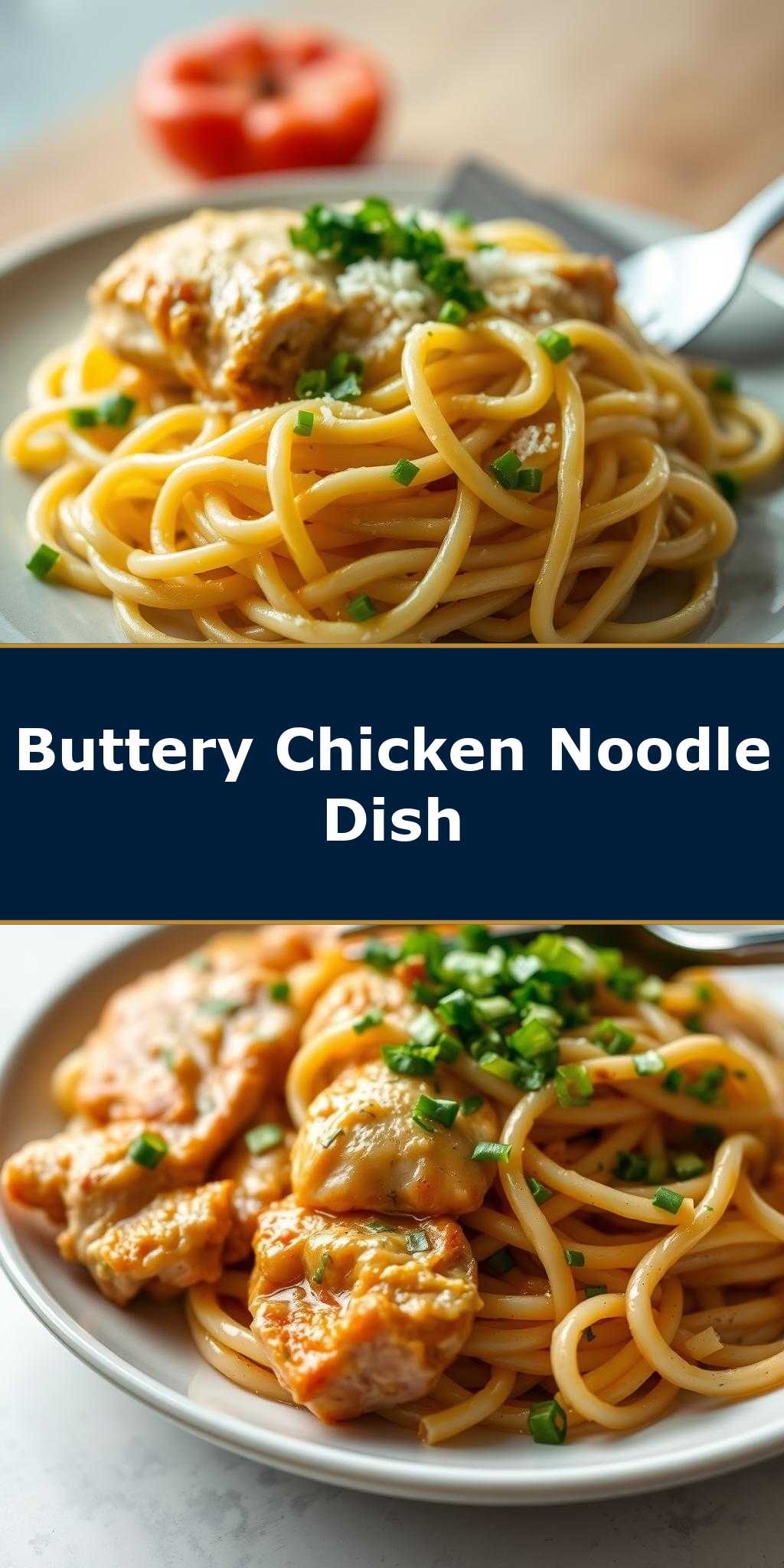
What’s the ultimate comfort food to warm up a chilly weeknight dinner? This homemade chicken and buttered noodles recipe is a family favorite, made with tender chicken, rich butter, and quick cooking methods for an easy meal. Save this idea for a cozy night in with loved ones and try it soon
Chicken and Buttered Noodles
Introduction
Imagine a dish so simple, yet so satisfying, it becomes a staple in your household. Chicken and buttered noodles is one of those magical recipes that combines the comfort of tender chicken, the richness of butter, and the convenience of noodles, all in one delicious package. This recipe is a testament to the power of everyday ingredients coming together to create something truly special. With its ease of preparation, balanced flavors, and endless possibilities for creativity, it’s no wonder why chicken and buttered noodles remains a beloved favorite among both kids and adults alike.
Why This Works
- Flavor balance and ingredient accessibility: The beauty of this dish lies in its ability to balance rich flavors with easily accessible ingredients, making it a go-to for any night of the week.
- Ease of preparation: With a preparation time that’s quicker than ordering takeout, this recipe is perfect for busy evenings when you need a meal that’s both satisfying and speedy.
- Impressive results with minimal effort: Despite its simplicity, chicken and buttered noodles presents beautifully and tastes like a gourmet meal, making it an excellent choice for entertaining guests or a special family dinner.
Key Ingredients
The heart of this recipe lies in its straightforward yet flavorful ingredients. You’ll need boneless, skinless chicken breasts, which can be substituted with thighs if you prefer a juicier texture. For the noodles, egg noodles are traditional, but you can also use rice noodles or even zucchini noodles for a lighter version. The sauce is where the magic happens, with a combination of butter, chicken broth, and your choice of herbs and spices. Practical substitutions include using olive oil instead of butter for a healthier option or adding garlic and onion for extra depth of flavor.
Instructions
- Step 1: Begin by prepping your ingredients. Chop the chicken into bite-sized pieces and season with salt, pepper, and any other desired herbs or spices. Measure out your noodles and have your butter and chicken broth ready.
- Step 2: Cook your noodles according to the package instructions until they’re al dente. While the noodles are cooking, melt butter in a large skillet over medium heat. Add the chicken to the skillet and cook until it’s browned on all sides and cooked through.
- Step 3: Once the chicken is done, remove it from the skillet and set it aside. In the same skillet, add a bit more butter if necessary, then pour in the chicken broth. Bring the broth to a simmer and let it cook for a few minutes until it’s slightly reduced, creating a rich and creamy sauce. Add the cooked noodles to the skillet, tossing them in the butter and broth mixture until they’re well coated.
- Step 4: Return the chicken to the skillet and toss everything together, ensuring the chicken is well coated with the sauce and the noodles are evenly distributed. Serve hot, garnished with chopped parsley or dill for a fresh touch.
Handy Tips
- For an extra creamy sauce, try adding a tablespoon of all-purpose flour to the butter before adding the chicken broth, cooking for a minute to create a roux. This will thicken the sauce beautifully.
- Don’t overcook the noodles. Al dente texture is key to this dish, as it provides a nice contrast to the tender chicken and rich sauce.
- Consider what you have in your fridge and get creative with additions. Diced vegetables like carrots, peas, or bell peppers can add color, texture, and nutrients to your dish.
Heat Control
Heat control is crucial in this recipe, especially when cooking the chicken and reducing the sauce. For the chicken, aim for a medium heat that allows for a good sear without burning the butter. When reducing the sauce, a simmer is ideal, as it allows the flavors to meld together and the sauce to thicken without boiling away too much of the liquid. For doneness, the chicken should reach an internal temperature of 165°F (74°C), but it’s also important to check the noodles for the perfect doneness, which should still have a bit of bite to them.
Crunch Factor
The texture of chicken and buttered noodles is primarily soft and comforting, but adding a crunch can elevate the dish. Consider topping it with toasted breadcrumbs, chopped nuts, or even a sprinkle of crispy fried onions for a satisfying crunch that complements the soft noodles and chicken.
Pro Kitchen Tricks
- Use high-quality ingredients: While this recipe is forgiving, using fresh herbs, real butter, and good-quality chicken broth can make a significant difference in the final taste.
- Don’t overcrowd the skillet: Cook the chicken in batches if necessary, to ensure each piece has enough room to cook evenly. This prevents steaming instead of browning, which can affect the texture and flavor of the dish.
- Keep it fresh: If you’re preparing this dish ahead of time, consider cooking the noodles and chicken separately and then combining them just before serving. This helps maintain texture and prevents the noodles from becoming mushy.
Storage Tips
- Leftovers can be stored in an airtight container in the refrigerator for up to 3 days. Reheat gently over low heat, adding a bit more chicken broth if the sauce has thickened too much.
- For longer storage, consider freezing the cooked chicken and noodles separately. The chicken can be frozen for up to 3 months, and the noodles for up to 2 months. When you’re ready to eat, simply thaw overnight in the fridge, then reheat with some fresh chicken broth.
- Use glass or microwave-safe containers for reheating to avoid any chemical contamination or for ease of use.
Gift Packaging Ideas
While chicken and buttered noodles might not be the first dish that comes to mind when thinking of gifts, it can actually be a thoughtful and comforting present, especially for someone who’s been under the weather or could use a pick-me-up. Consider packaging it in a decorative microwave-safe container, topped with a sprinkle of fresh herbs and a side of crusty bread or crackers. A handwritten note with reheating instructions and a personal message can make it an even more special gift.
Flavor Variations
- Different spices: Try adding some Italian seasoning for a Mediterranean twist, or some cumin and chili powder for a spicy, southwestern flavor.
- Creative toppings: In addition to the crunch factor, consider adding some grated cheese, a dollop of sour cream, or some diced tomatoes for extra flavor and moisture.
- Ingredient swaps: For a vegetarian version, swap the chicken with roasted or sautéed mushrooms, or use tofu for a vegan option. Different types of noodles, such as rice noodles or quinoa noodles, can also offer a fun twist.
Troubleshooting
- Texture problems: If your noodles are too mushy, it might be because they were overcooked. For the next batch, try checking on them more frequently towards the end of their cooking time. If the chicken is dry, it could be due to overcooking or not enough sauce. Adjust your cooking time and make sure to coat the chicken well in the sauce.
- Ingredient replacements: If you’re missing an ingredient, don’t be afraid to substitute. For example, if you don’t have chicken broth, you could use vegetable broth or even water as a last resort, though the flavor might not be as rich.
- Over/undercooking signs: Keep an eye on your chicken’s internal temperature and the noodles’ texture. If you’re unsure, it’s always better to err on the side of undercooking slightly, as both the chicken and noodles will continue to cook a bit after being removed from the heat.
FAQs
- Can I freeze it? Yes, you can freeze chicken and buttered noodles, but it’s best to freeze the components separately for the best texture and flavor upon reheating.
- Is it gluten-free? This depends on the type of noodles used. Traditional egg noodles contain gluten, but there are many gluten-free noodle options available, such as rice noodles or quinoa noodles, that can be used as a substitute.
- Can I double the recipe? Absolutely, this recipe scales well. Just be sure to use a large enough skillet and adjust the cooking time slightly, especially when cooking the chicken in batches.
Conclusion
Chicken and buttered noodles is more than just a recipe; it’s a comfort classic that can be adapted and loved by everyone. With its simple ingredients, quick preparation time, and endless possibilities for customization, it’s the perfect dish for any occasion. Whether you’re a busy parent looking for a weeknight solution, an entertaining host seeking to impress, or simply someone who loves good food, this recipe is sure to become a staple in your kitchen. So go ahead, get creative, and enjoy the warmth and comfort that only a delicious, homemade meal like chicken and buttered noodles can provide.