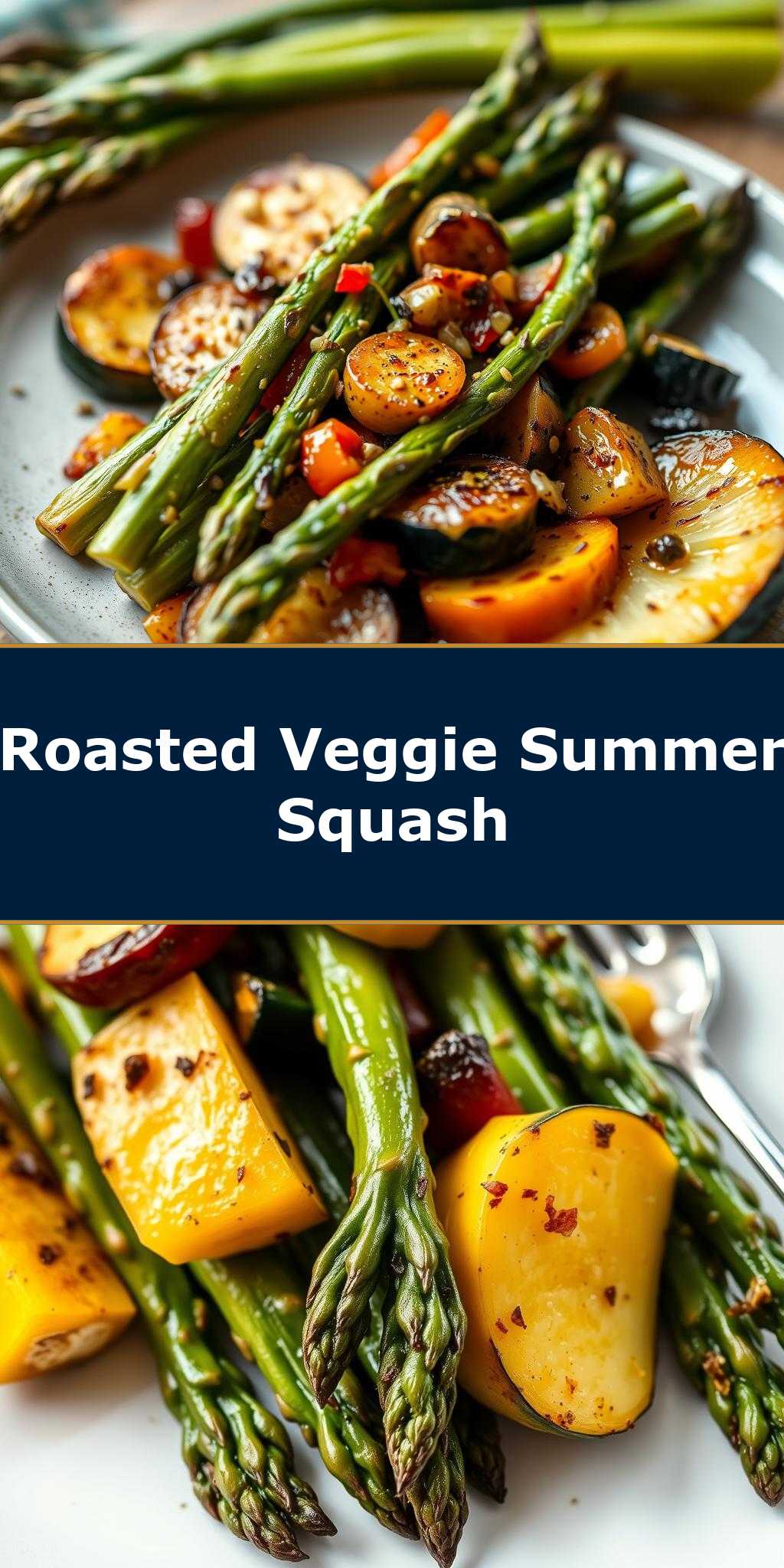
What makes a perfect summer side dish? Roasting brings out the best in asparagus, zucchini and squash, making this quick and easy recipe a homemade weeknight dinner staple, especially when paired with olive oil and garlic – Save this idea for a delicious family favorite.
Roasted Asparagus, Zucchini & Squash
Introduction
There’s something truly magical about bringing together a few simple, everyday ingredients and watching them transform into a dish that’s not only delicious but also visually stunning. Roasted Asparagus, Zucchini & Squash is one of those recipes that embodies the perfect balance of ease, flavor, and creativity. With its vibrant colors and enticing aromas, this dish is sure to impress your family and friends, making it an excellent choice for both weeknight dinners and special occasions. The beauty of this recipe lies in its simplicity and the use of fresh, seasonal vegetables, making it accessible to cooks of all levels. Whether you’re a seasoned chef or just starting your culinary journey, this recipe is a must-try for its incredible flavor profile and the ease with which it can be prepared.
Why This Works
- Flavor balance and ingredient accessibility: This recipe stands out for its well-balanced flavors, achieved by combining the natural sweetness of the vegetables with a hint of savory seasoning. Moreover, the ingredients are easily accessible in most supermarkets, making it convenient for anyone to prepare.
- Ease of preparation: One of the most appealing aspects of this dish is how straightforward it is to prepare. With a simple chopping and seasoning process, you can have your vegetables ready for roasting in no time.
- Impressive results with minimal effort: Despite the simplicity of the preparation, the end result is nothing short of impressive. The roasting process brings out the best in the vegetables, enhancing their natural flavors and textures, making it a perfect dish to serve to guests.
Key Ingredients
The stars of this recipe are undoubtedly the asparagus, zucchini, and squash, each chosen for its unique texture and flavor contribution. Asparagus adds a delicate, earthy note, while zucchini and squash provide a refreshing crunch and a hint of sweetness. To complement these vegetables, olive oil, salt, pepper, and a sprinkle of parmesan cheese are used to enhance the flavors without overpowering them. For practical substitutions, you can also consider using other seasonal vegetables like bell peppers or carrots, though the cooking time may vary. The key is to maintain a balance of colors and textures to keep the dish visually appealing and interesting to the palate.
Instructions
- Step 1: Begin by preheating your oven to 425°F (220°C). While the oven is heating up, wash and chop the asparagus, zucchini, and squash into bite-sized pieces. For the asparagus, you can trim the ends and cut them into spears or 1-inch pieces, depending on your preference. The zucchini and squash can be sliced into half-moons or cubed for easier roasting.
- Step 2: In a large bowl, toss the chopped vegetables with olive oil, salt, and pepper until they are evenly coated. This step is crucial as it ensures that each piece of vegetable roasts uniformly, bringing out their natural sweetness.
- Step 3: Spread the vegetables out in a single layer on a baking sheet lined with parchment paper. Roasting them in a single layer allows for even cooking and helps prevent the vegetables from steaming instead of roasting. If necessary, use multiple baking sheets to accommodate all the vegetables.
- Step 4: Roast the vegetables in the preheated oven for about 20-25 minutes, or until they are tender and lightly browned, flipping them halfway through the cooking time. Once done, remove them from the oven and sprinkle with parmesan cheese. Serve hot, garnished with fresh herbs like parsley or basil for added freshness and color.
Handy Tips
- One of the most helpful tips for this recipe is to not overcrowd the baking sheet, as this can lead to steaming instead of roasting. Giving each piece of vegetable enough space allows for the nice caramelization that enhances the flavor and texture.
- Also, keep an eye on the vegetables during the last 5 minutes of roasting, as the cooking time can vary depending on their thickness and your personal preference for doneness.
- For an extra burst of flavor, consider adding a squeeze of fresh lemon juice over the vegetables before serving. This adds a bright, citrusy note that complements the earthy sweetness of the roasted vegetables perfectly.
Heat Control
The ideal temperature for roasting vegetables is between 425°F to 450°F (220°C to 230°C), as this range allows for a nice balance between cooking the vegetables through and achieving a caramelized exterior. The timing will depend on the specific vegetables and their thickness, but generally, 20-25 minutes is a good benchmark for achieving tender and lightly browned results. Signs of doneness include the vegetables being easily pierced with a fork and having a lightly browned, caramelized exterior.
Crunch Factor
The desired texture for this dish is tender with a slight crunch, which is achieved by roasting the vegetables at a high temperature for a relatively short period. To ensure your vegetables retain some crunch, especially for the zucchini and squash, keep an eye on them during the roasting time and remove them from the oven when they still have a bit of firmness to them. The asparagus will naturally be more tender due to its thinner stalks, but it should still retain a pleasant crunch, especially at the tips.
Pro Kitchen Tricks
- One expert tip for achieving perfectly roasted vegetables is to toss them gently halfway through the cooking time. This ensures even browning and prevents any part of the vegetable from becoming too dark or burnt.
- Another trick is to use a variety of colored vegetables to make the dish visually appealing. While asparagus, zucchini, and squash provide a beautiful palette, adding some red bell peppers or cherry tomatoes can elevate the dish to a whole new level of visual appeal.
- For cleanup, lining your baking sheet with parchment paper is a lifesaver. It prevents the vegetables from sticking and makes the post-roasting cleanup a breeze, saving you time and effort in the kitchen.
Storage Tips
- For storing leftovers, it’s best to cool the roasted vegetables to room temperature before placing them in an airtight container. They can be refrigerated for up to 3 days and reheated in the oven or microwave when needed.
- When reheating, add a splash of water or broth to the container to prevent the vegetables from drying out. You can also add some fresh herbs or a squeeze of lemon juice to revive the flavors.
- As for shelf life, roasted vegetables are best consumed within a day or two for optimal flavor and texture. However, they can be safely stored in the refrigerator for longer, making them a great make-ahead option for busy weeks.
Gift Packaging Ideas
While roasted vegetables might not be the first thing that comes to mind when thinking of gifts, they can actually make a thoughtful and healthy present, especially when packaged nicely. Consider placing cooled, roasted vegetables in decorative jars or containers, topped with a sprinkle of parmesan cheese and a few fresh herbs. You can also include a small bag of homemade croutons or a simple vinaigrette recipe to complement the gift. Wrap the jar in a rustic ribbon or twine, and you have a beautiful, edible gift that’s perfect for friends, family, or coworkers.
Flavor Variations
- Different spices: Experimenting with various spices and seasonings can completely transform the flavor profile of your roasted vegetables. Consider adding some smoked paprika for a smoky depth, cumin for an earthy note, or chili flakes for a spicy kick.
- Creative toppings: Toppings can add an extra layer of flavor and texture to your roasted vegetables. Some ideas include toasted pine nuts, crumbled feta cheese, or a dollop of tzatziki sauce for a refreshing contrast.
- Ingredient swaps: Feel free to swap out the asparagus, zucchini, and squash for other vegetables that are in season. Brussels sprouts, carrots, and sweet potatoes all roast beautifully and can add a nice variety to the dish.
Troubleshooting
- Texture problems: If your vegetables end up too soft or mushy, it might be because they were overcrowded on the baking sheet or cooked for too long. Try spreading them out more or reducing the cooking time for future batches.
- Ingredient replacements: If you can’t find a particular type of vegetable, don’t hesitate to substitute it with something similar. The key is to maintain a variety of textures and flavors in the dish.
- Over/undercooking signs: Keep an eye out for signs of overcooking, such as excessive browning or a soft, mushy texture. Conversely, undercooked vegetables will be hard and crunchy. Adjust your cooking time based on the specific vegetables and your oven’s performance.
FAQs
- Can I freeze it? Yes, roasted vegetables can be frozen, but it’s best to do so before adding any cheese or sauces. Simply cool the vegetables, place them in an airtight container or freezer bag, and store them in the freezer for up to 3 months. Reheat them in the oven or microwave when needed.
- Is it gluten-free? This recipe is naturally gluten-free, making it a great option for those with gluten intolerance or sensitivity. Just be sure to check the ingredients of any store-bought seasonings or cheeses you might add.
- Can I double the recipe? Absolutely! This recipe can easily be doubled or tripled to feed a larger crowd. Just be sure to use a larger baking sheet or multiple sheets to accommodate all the vegetables, ensuring they have enough room to roast evenly.
Conclusion
Roasted Asparagus, Zucchini & Squash is more than just a recipe; it’s an invitation to explore the world of flavors and textures that fresh, seasonal vegetables have to offer. With its ease of preparation, impressive presentation, and versatility in accommodating various tastes and dietary needs, this dish is sure to become a staple in your kitchen. Whether you’re cooking for one or a crowd, this recipe encourages creativity and experimentation, making it a perfect starting point for your next culinary adventure. So, go ahead, gather your ingredients, and let the roasting begin! Remember, the joy of cooking lies not just in the end result but in the journey itself, so enjoy the process, share your creations with love, and happy cooking!