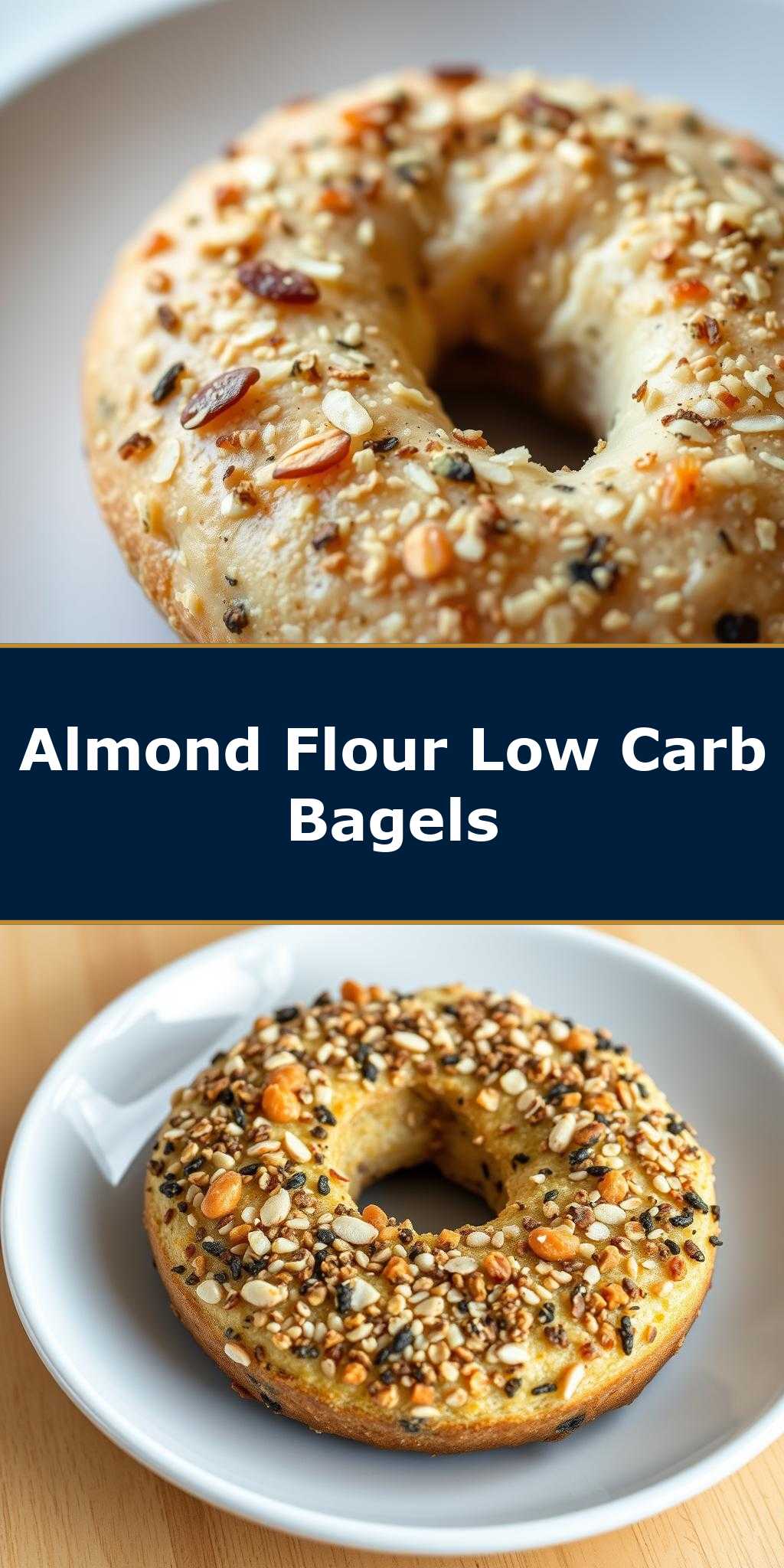
What if you could enjoy a freshly baked bagel without the guilt of all that extra carbs? These low carb almond flour bagels are a game changer, made with simple ingredients like almond flour and perfect for a quick homemade breakfast or snack, try making them this week for a delicious and easy family favorite, save this idea
Low Carb Almond Flour Bagels
Introduction
Imagine sinking your teeth into a warm, freshly baked bagel, feeling the crunch of the crust giving way to a soft, airy interior, all without the guilt of consuming high amounts of carbohydrates. This vision becomes a delicious reality with our Low Carb Almond Flour Bagels recipe. By leveraging the versatility of almond flour, a staple in many low-carb and gluten-free diets, and combining it with everyday ingredients, we create a masterpiece that not only pleases the palate but also caters to dietary restrictions. The beauty of this recipe lies in its simplicity, flavor balance, and the creativity it allows, making it perfect for both beginners and seasoned bakers looking to experiment with new flavors and textures.
Why This Works
- Flavor balance and ingredient accessibility: The combination of almond flour, yeast, and carefully selected spices ensures a rich, authentic bagel taste that’s surprisingly close to traditional bagels, despite the low-carb twist.
- Ease of preparation: With straightforward steps and minimal specialized equipment required, this recipe is approachable for anyone looking to dive into low-carb baking.
- Impressive results with minimal effort: The end product is not only delicious but also visually appealing, making it perfect for breakfast, snacks, or as a base for sandwiches, all with the satisfaction of knowing you’ve created something healthy and unique.
Key Ingredients
The foundation of our Low Carb Almond Flour Bagels includes almond flour as the primary ingredient, which provides a nutty flavor and a low-carb alternative to traditional wheat flour. Other essential components include yeast for the rise, salt for depth, sugar or a sugar substitute to activate the yeast, warm water, and eggs to bind the ingredients together. For added flavor, sesame seeds or poppy seeds can be used as toppings. Practical substitutions can be made for some ingredients; for instance, using flax eggs for a vegan version or different types of sugar substitutes to cater to various dietary needs.
Instructions
- Step 1: Begin by activating the yeast in warm water mixed with a small amount of sugar or sugar substitute. Let it sit until it becomes frothy, indicating the yeast is active and ready to use.
- Step 2: In a large mixing bowl, combine almond flour, salt, and any additional dry spices you’re using. In a separate bowl, whisk together the eggs and the yeast mixture. Gradually add the wet ingredients to the dry ingredients and mix until a dough forms.
- Step 3: Knead the dough for several minutes until it becomes smooth and pliable. Divide the dough into portions, depending on how large you want your bagels to be. Roll each portion into a ball and then use your thumbs to create a hole in the center, stretching it out to form a bagel shape. Place the shaped bagels onto a baking sheet lined with parchment paper, leaving space between each bagel for even baking.
- Step 4: Brush the tops with egg wash and sprinkle with sesame seeds or poppy seeds if desired. Bake in a preheated oven at 400°F (200°C) for about 20 minutes, or until the bagels are golden brown. Let them cool on a wire rack before serving.
Handy Tips
- Ensure your almond flour is fresh, as old flour can affect the texture and flavor of your bagels. Also, be mindful of the ratio of almond flour to liquid ingredients, as almond flour absorbs more liquid than traditional flour.
Heat Control
When baking the bagels, it’s crucial to maintain an oven temperature of 400°F (200°C). The baking time may vary depending on the size of your bagels and your oven’s performance, so keep an eye on them after 15 minutes. They’re done when they’re golden brown and sound hollow when tapped on the bottom.
Crunch Factor
Achieving the perfect crunch on your bagels can elevate them from good to great. To enhance the crunch, ensure your oven is preheated correctly, and consider boiling the shaped bagels in water for a minute on each side before baking, a traditional step in bagel making that helps create the crust.
Pro Kitchen Tricks
- For an extra crispy crust, try baking the bagels for an additional 2-3 minutes. Keep a close eye to prevent burning. Additionally, experimenting with different seasoning blends or toppings can add unique flavors to your bagels.
Storage Tips
- Low Carb Almond Flour Bagels are best consumed fresh, but they can be stored in an airtight container at room temperature for up to 3 days. For longer storage, consider freezing them. Simply place the cooled bagels in a freezer-safe bag or container and store in the freezer for up to 2 months. Reheat frozen bagels by baking them in the oven at 350°F (175°C) for about 10 minutes, or until warmed through.
Gift Packaging Ideas
If you’re looking to gift your homemade bagels, consider packaging them in a decorative basket or bag, possibly accompanied by a jar of homemade cream cheese or butter or a packet of gourmet coffee. A ribbon or a handwritten note can add a personal touch, making the gift even more special.
Flavor Variations
- Different spices: Try adding garlic powder, dried onion, or sesame seeds to the dough for added depth of flavor.
- Creative toppings: Experiment with various toppings such as poppy seeds, dried garlic, or everything bagel seasoning to give your bagels a unique twist.
- Ingredient swaps: For a dairy-free version, replace the eggs with flax eggs or another egg substitute. You can also play with different types of flour, like coconut flour, though this will require adjustments in liquid content.
Troubleshooting
- Texture problems: If your bagels turn out too dense, it might be due to overmixing the dough or not letting it rise enough. Conversely, if they’re too light, the yeast might have over-activated.
- Ingredient replacements: When substituting ingredients, especially flours, be prepared to adjust the recipe, as different flours absorb liquid differently and can affect the final texture.
- Over/undercooking signs: Keep an eye on your bagels while they’re baking. They should be golden brown and sound hollow when tapped. If they’re pale, they might not be done, and if they’re too dark, they could be overcooked.
FAQs
- Can I freeze it? Yes, these bagels can be frozen for up to 2 months. Simply thaw and reheat when needed.
- Is it gluten-free? Since this recipe uses almond flour, it is inherently gluten-free, making it a great option for those with gluten intolerance or sensitivity.
- Can I double the recipe? Absolutely, you can double or even triple the recipe if you’re planning to make a large batch. Just ensure you have enough space for all the bagels to bake evenly.
Conclusion
Embracing the world of low-carb baking can seem daunting, but recipes like our Low Carb Almond Flour Bagels make the transition not only manageable but deliciously rewarding. With its perfect blend of ease, flavor, and creativity, this recipe invites you to experiment and make it your own, whether you’re a seasoned baker or just starting your culinary journey. So, go ahead, get baking, and enjoy the satisfaction of biting into a freshly made, low-carb bagel that’s as healthy as it is tasty.