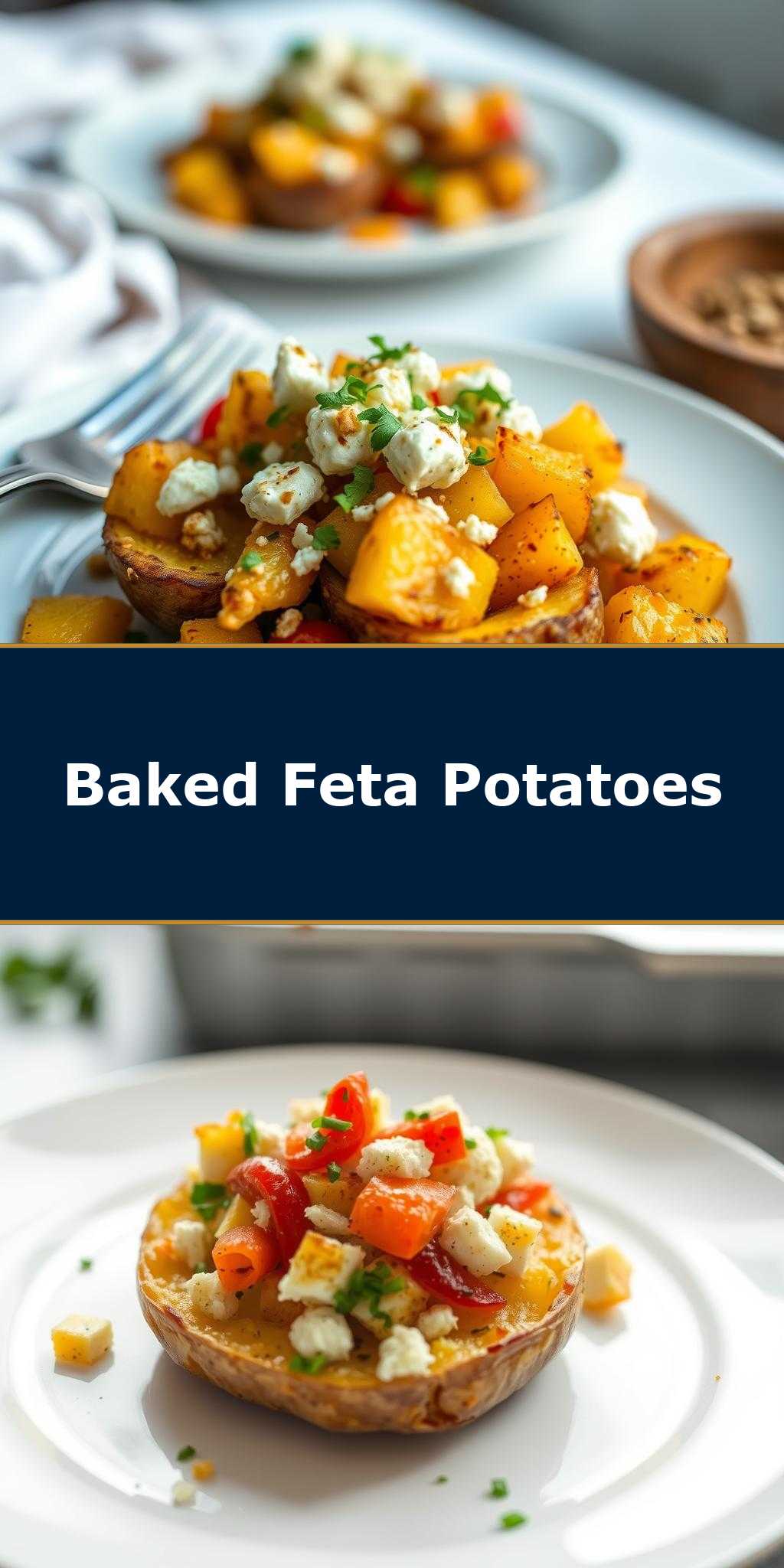
What’s the secret to a perfectly satisfying side dish? It starts with tender potatoes and a rich, creamy feta cheese, all baked to perfection in this easy recipe that’s perfect for a quick weeknight dinner. With just a few simple ingredients, including delicious feta and fresh potatoes, you can create a homemade favorite that’s sure to please the whole family. Save this idea for your next family dinner.
Easy Baked Feta Potatoes Recipe
Introduction
Imagine a dish that combines the simplicity of everyday ingredients with the sophistication of a perfectly balanced flavor profile. The Easy Baked Feta Potatoes Recipe is exactly that – a culinary masterpiece that requires minimal effort but yields a result that is both impressive and delicious. At its core, this recipe celebrates the harmony of potatoes, feta cheese, and herbs, all baked to perfection in a straightforward yet elegant process. Whether you’re a seasoned chef or a novice in the kitchen, this recipe invites you to explore the depths of flavor and creativity, all while keeping things easy and accessible.
Why This Works
- Flavor balance and ingredient accessibility: This recipe thrives on the balance between the earthy sweetness of potatoes, the tangy saltiness of feta, and the freshness of herbs, making it a delight for the palate. Moreover, the ingredients are readily available and familiar, making it easy to replicate and enjoy.
- Ease of preparation: One of the standout features of this recipe is its simplicity. With minimal preparation required, it’s perfect for those looking for a quick yet satisfying meal or side dish.
- Impressive results with minimal effort: Despite its ease, the dish presents beautifully and tastes complex, making it an excellent choice for entertaining guests or for a special occasion.
Key Ingredients
The Easy Baked Feta Potatoes Recipe hinges on a few key ingredients that, when combined, create magic. You’ll need several medium-sized potatoes, a block of feta cheese, fresh herbs like parsley or dill, olive oil, salt, and pepper. For added depth, garlic and lemon juice can also be included. What’s lovely about this recipe is the flexibility it offers – feel free to use different types of potatoes or experiment with various herbs and spices to find your perfect combination. For those looking for substitutions, goat cheese or ricotta can stand in for feta, offering a slightly different but equally delightful flavor profile.
Instructions
- Step 1: Begin by preheating your oven to 400°F (200°C). While that’s warming up, scrub the potatoes clean and slice them into rounds or wedges, depending on your preference. In a large bowl, toss the potatoes with a drizzle of olive oil, salt, and pepper until they’re evenly coated.
- Step 2: Line a baking sheet with parchment paper and arrange the potato slices in a single layer. You might need to do this in batches depending on the size of your baking sheet. Roast the potatoes in the oven for about 20 minutes, or until they start to soften and slightly brown.
- Step 3: While the potatoes are baking, crumble the feta cheese into a bowl. Add some chopped fresh herbs, a squeeze of lemon juice, and a minced garlic clove (if using). Mix well to combine. After the potatoes have roasted for 20 minutes, remove them from the oven and top each slice with a dollop of the feta mixture.
- Step 4: Return the potatoes to the oven for an additional 10-15 minutes, or until the feta is melted and the potatoes are tender and golden. Remove from the oven, let cool slightly, and serve warm. You can garnish with additional herbs or a squeeze of lemon juice for extra flavor and visual appeal.
Handy Tips
- For an extra crispy exterior on your potatoes, try soaking the sliced potatoes in cold water for 30 minutes before baking to remove excess starch. Pat them dry with a paper towel before proceeding with the recipe.
- Don’t overload the baking sheet, as this can prevent the potatoes from cooking evenly. It’s better to cook them in batches if necessary.
- Experiment with different seasonings in the feta mixture, such as dried oregano or thyme, to give the dish a unique twist.
Heat Control
Heat control is crucial in this recipe, as it directly affects the texture and flavor of the potatoes and the feta. The ideal temperature is 400°F (200°C), which allows for a nice roast on the potatoes without burning the feta. Timing is also key – the initial 20 minutes for the potatoes and the additional 10-15 minutes after adding the feta. Signs of doneness include the potatoes being tender when pierced with a fork and the feta being melted and slightly golden.
Crunch Factor
Achieving the right texture is part of what makes this dish so appealing. The potatoes should be tender on the inside and crispy on the outside, while the feta adds a satisfying creaminess. To enhance the crunch factor, ensure that the potatoes are dry before baking (especially if you’ve soaked them to remove starch) and don’t overcrowd the baking sheet. A light drizzle of olive oil before baking also helps to crisp the potatoes up nicely.
Pro Kitchen Tricks
- For a more golden crust on your potatoes, try brushing them with a little bit of olive oil mixed with grated garlic halfway through the baking time.
- Use high-quality ingredients, especially when it comes to the feta and fresh herbs, as this will significantly impact the flavor of the dish.
- Consider using a cast-iron skillet instead of a baking sheet for a more rustic, caramelized crust on the potatoes.
Storage Tips
- Leftovers can be stored in an airtight container in the refrigerator for up to 3 days. Reheat in the oven until warmed through.
- For longer storage, the dish can be frozen after baking. Simply thaw overnight in the fridge and reheat in the oven when ready to serve.
- When storing, it’s best to keep the potatoes and feta mixture separate to preserve texture and flavor. Combine just before reheating.
Gift Packaging Ideas
If you’re looking to share this dish as a gift, consider packaging it in a charming, rustic basket lined with parchment paper. The potatoes and feta mixture can be layered in a decorative bowl or individual ramekins, topped with fresh herbs and a drizzle of olive oil. For a more personal touch, include a handwritten recipe card and a small bottle of olive oil or a bag of fresh herbs.
Flavor Variations
- Different spices: Try adding some smoked paprika or chili flakes to the potatoes for a spicy kick, or some dried thyme for an earthy flavor.
- Creative toppings: In addition to feta, consider topping your potatoes with sour cream, chives, bacon bits, or a fried egg for added richness and texture.
- Ingredient swaps: Swap out the potatoes for sweet potatoes or parsnips for a different twist, or use goat cheese instead of feta for a creamier flavor.
Troubleshooting
- Texture problems: If your potatoes are too hard, they might not have baked long enough. Conversely, if they’re too soft, they might have been overcrowded on the baking sheet or baked at too high a temperature.
- Ingredient replacements: If you don’t have feta, you can substitute it with other crumbly cheeses like ricotta or goat cheese. For herbs, parsley can be replaced with dill or basil for a different flavor profile.
- Over/undercooking signs: Keep an eye on your potatoes as they bake. They should be tender when pierced with a fork and lightly browned. If the feta starts to brown too quickly, cover the dish with foil to prevent burning.
FAQs
- Can I freeze it? Yes, this dish can be frozen after baking. Simply thaw overnight in the fridge and reheat in the oven when ready to serve.
- Is it gluten-free? Yes, this recipe is naturally gluten-free, making it a great option for those with dietary restrictions.
- Can I double the recipe? Absolutely. Just ensure you have enough baking sheets or skillets to accommodate all the potatoes in a single layer. You might need to bake them in batches.
Conclusion
The Easy Baked Feta Potatoes Recipe is more than just a simple side dish; it’s an invitation to explore the world of flavors with ease and creativity. Whether you’re cooking for one or entertaining a crowd, this recipe promises to deliver a dish that is both satisfying and impressive. So go ahead, experiment with the ingredients, share your creations, and enjoy the journey of culinary discovery that this recipe embodies. Happy cooking, and don’t hesitate to reach out with your own variations and tips – we’d love to hear them!