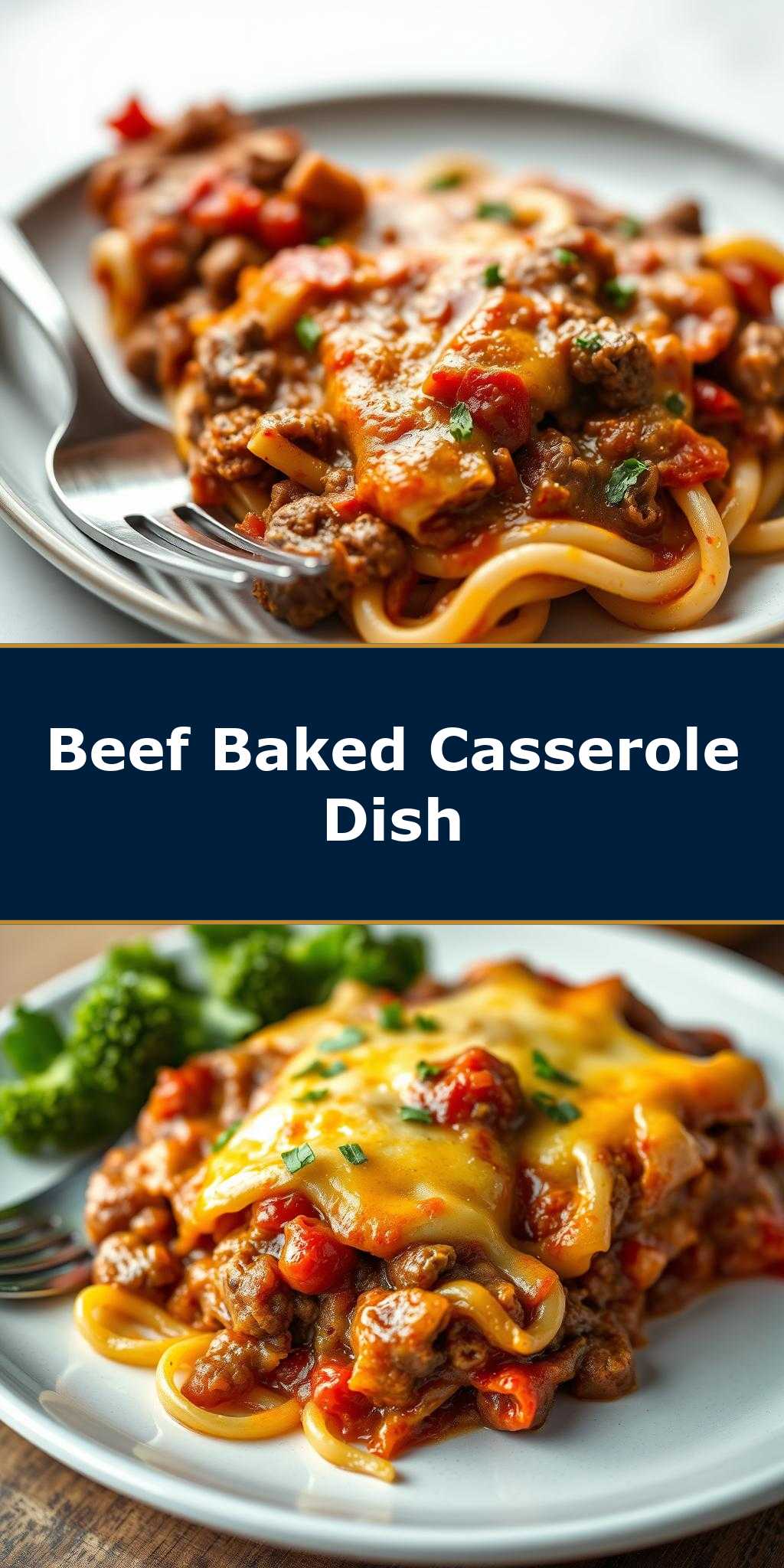
What makes a comforting casserole truly unforgettable? For me, it’s the rich flavor of slow-cooked beef and melted cheese in a homemade Beef Lombardi Casserole, perfect for a quick and easy weeknight dinner that’s sure to become a family favorite with its tender ground beef and savory sauce. Save this idea
Beef Lombardi Casserole
Introduction
The Beef Lombardi Casserole is a dish that embodies the perfect blend of flavors, textures, and simplicity, making it a standout in any culinary repertoire. This recipe is a masterclass in creativity, utilizing everyday ingredients to craft a meal that is not only delicious but also visually appealing. The beauty of the Beef Lombardi Casserole lies in its ease of preparation, requiring minimal effort for a dish that is sure to impress. Whether you’re a seasoned chef or a beginner in the kitchen, this casserole is a versatile and satisfying option for any occasion.
Why This Works
- Flavor balance and ingredient accessibility are key to this recipe’s success, ensuring that each bite is a harmonious blend of tastes and textures, all made possible with readily available ingredients.
- The ease of preparation is another significant advantage, as the recipe requires straightforward steps that are easy to follow, making it accessible to cooks of all skill levels.
- Despite the simplicity of its preparation, the Beef Lombardi Casserole yields impressive results, presenting a dish that is both appetizing and satisfying, perfect for special occasions or everyday meals.
Key Ingredients
The Beef Lombardi Casserole relies on a combination of ground beef, onions, garlic, bell peppers, tomatoes, pasta, and a blend of cheeses, including mozzarella, parmesan, and ricotta. Each ingredient plays a crucial role in the overall flavor and texture of the dish. For those looking for substitutions, ground turkey or pork can be used in place of beef, and different types of pasta or cheese can be substituted based on personal preference or dietary needs. The versatility of these ingredients allows for creativity and adaptation, making the recipe even more appealing.
Instructions
- Step 1: Begin by preheating your oven to 350°F (175°C). While the oven is heating up, cook your pasta according to the package instructions until it’s al dente, then set it aside. This step is crucial as it ensures your pasta is not overcooked and retains its texture in the casserole.
- Step 2: In a large skillet, heat a couple of tablespoons of olive oil over medium-high heat. Add the ground beef, breaking it up with a spoon as it cooks, until it’s fully browned. Drain the excess fat, then add the chopped onions, minced garlic, and sliced bell peppers. Cook until the vegetables are tender, then stir in a can of diced tomatoes. Season with salt, pepper, and your choice of herbs. This mixture forms the flavorful base of the casserole.
- Step 3: In a large bowl, combine the cooked pasta, the meat and vegetable mixture, and a blend of mozzarella, parmesan, and ricotta cheese. Mix well to ensure all ingredients are fully incorporated. Transfer this mixture to a baking dish, topping it with additional mozzarella cheese and any desired extra toppings, such as chopped fresh parsley or basil.
- Step 4: Place the casserole in the preheated oven and bake for about 25-30 minutes, or until the cheese is melted and bubbly. Remove from the oven and let it rest for a few minutes before serving. This final step allows the flavors to meld together and the casserole to set, making it easier to serve and enjoy.
Handy Tips
- To avoid a dry casserole, ensure that your pasta is not overcooked, and the meat and vegetable mixture is moist and flavorful. Adding a bit of tomato sauce or beef broth can help maintain moisture if needed.
- For an extra crispy top, broil the casserole for a couple of minutes after baking. Keep a close eye to prevent burning.
- Consider using leftover roast beef or cooked sausage for added flavor and texture variations.
Heat Control
The ideal temperature for baking the Beef Lombardi Casserole is 350°F (175°C), and it should be baked for approximately 25-30 minutes. The casserole is done when the cheese is melted, bubbly, and slightly golden brown on top. It’s essential to check the casserole periodically during the baking time to ensure it doesn’t overcook, as oven temperatures can vary.
Crunch Factor
Achieving the right crunch factor in the Beef Lombardi Casserole can elevate the dish significantly. To add crunch, consider topping the casserole with toasted breadcrumbs, chopped nuts, or crispy fried onions before baking. These elements provide a satisfying texture contrast to the soft pasta and melted cheese, enhancing the overall dining experience.
Pro Kitchen Tricks
- For an efficient cleanup, prepare all ingredients before starting to cook, and use a ‘mise en place’ approach to keep your workspace organized.
- Utilize one-pot wonders like a Dutch oven for the meat and vegetable mixture to reduce dishwashing and make the cooking process more streamlined.
- Prepare the casserole up to the point of baking a day in advance, refrigerating it overnight and baking it the next day for a stress-free meal preparation.
Storage Tips
- Leftovers can be stored in the refrigerator for up to 3 days. Reheat the casserole in the oven at 300°F (150°C) covered with foil until warmed through.
- For longer storage, the casserole can be frozen before baking. Assemble the casserole, then freeze. When ready to bake, thaw overnight in the refrigerator and bake as instructed.
- Use airtight, microwave-safe containers for reheating individual portions, making it a convenient option for lunches or quick dinners.
Gift Packaging Ideas
The Beef Lombardi Casserole makes a thoughtful gift, especially for new parents, neighbors, or friends in need of a comforting meal. Consider packaging it in a disposable aluminum baking dish, wrapped in foil and tied with a ribbon, along with a side of garlic bread or a green salad for a complete meal. A handwritten note with reheating instructions adds a personal touch.
Flavor Variations
- Experiment with different spices, such as Italian seasoning, basil, or oregano, to give the casserole a unique flavor profile.
- Creative toppings like diced ham, chopped olives, or artichoke hearts can add interesting textures and flavors.
- Ingredient swaps, such as using ground lamb or adding roasted vegetables, can completely transform the dish and cater to various tastes and dietary preferences.
Troubleshooting
- Texture problems, such as a dry casserole, can often be resolved by adjusting the cooking time or adding more sauce.
- Ingredient replacements, such as using gluten-free pasta for dietary restrictions, can be made with minimal impact on the overall dish.
- Over or undercooking can be identified by the cheese’s condition; if it’s not melted and slightly browned, it may need more time, while an overcooked casserole will be dry and possibly burnt.
FAQs
- Can I freeze it? Yes, the Beef Lombardi Casserole can be frozen either before or after baking. Freezing before baking allows for a fresher taste when cooked, while freezing after baking is convenient for reheating later.
- Is it gluten-free? The recipe can be adapted to be gluten-free by using gluten-free pasta and ensuring that the sauces and seasonings used are also gluten-free.
- Can I double the recipe? Yes, the recipe can be doubled or even tripled for larger gatherings. Just ensure that you have a large enough baking dish and adjust the cooking time accordingly.
Conclusion
The Beef Lombardi Casserole is a recipe that embodies the spirit of home cooking: it’s hearty, comforting, and made with love. With its straightforward instructions and adaptable ingredients, it’s a dish that can be enjoyed by everyone. Whether you’re cooking for a family dinner, a potluck, or just a quiet night in, this casserole is sure to please. Feel free to experiment with the recipe, making it your own by adding your favorite ingredients or spices. The joy of cooking lies in sharing and creating memories around the table, and the Beef Lombardi Casserole is the perfect recipe to do just that.