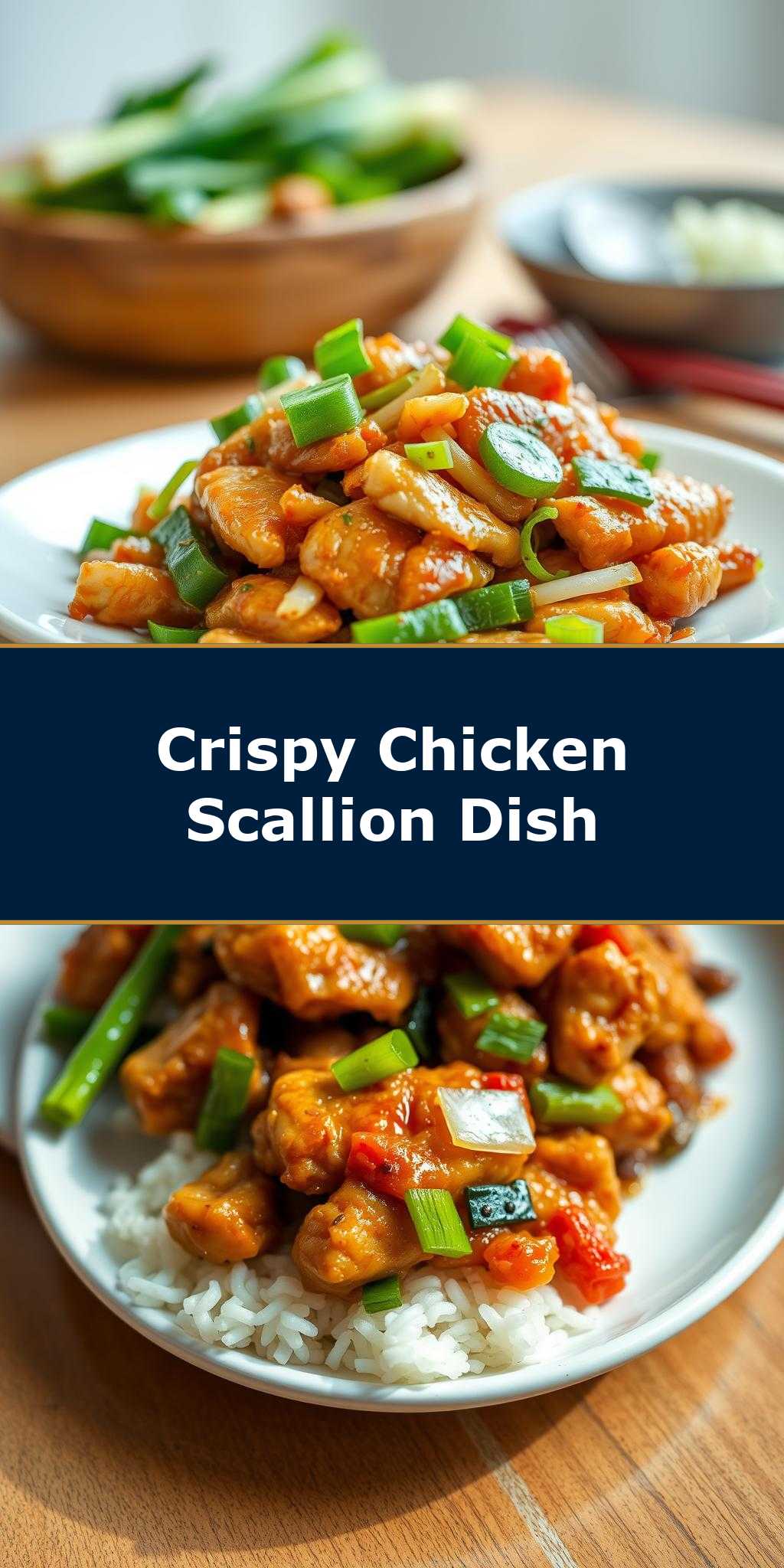
What sets a truly unforgettable weeknight dinner apart from the rest – is it the perfect balance of flavors or the simplicity of preparation? This stir-fried scallion chicken recipe is a masterclass in quick and easy homemade cooking, with succulent chicken and fragrant scallions taking center stage. Try it soon and make it a new family favorite, save this idea for your next easy dinner inspiration.
Stir-Fried Scallion Chicken
Introduction
Imagine a dish that’s not only a symphony of flavors but also a feast for the eyes, all achieved with the simplest of ingredients and the quickest of cooking methods. Welcome to the world of Stir-Fried Scallion Chicken, a culinary masterpiece that combines the tender juiciness of chicken, the pungent aroma of scallions, and the savory depth of soy sauce, all in one swift and easy recipe. This dish is perfect for those who want to impress without stressing, using everyday ingredients to create something truly extraordinary. Whether you’re a seasoned chef or a culinary newbie, this recipe is sure to delight your senses and satisfy your cravings.
Why This Works
- Flavor balance and ingredient accessibility: The beauty of this recipe lies in its perfect balance of salty, sweet, and umami flavors, all achieved with ingredients that are easily found in your local grocery store.
- Ease of preparation: With a prep time of mere minutes and a cook time that’s just as swift, this dish is perfect for busy weeknights or spontaneous dinner gatherings.
- Impressive results with minimal effort: Despite its simplicity, Stir-Fried Scallion Chicken presents beautifully, making it an impressive addition to any meal, whether it’s a family dinner or a dinner party with friends.
Key Ingredients
The magic of this dish is in the combination of its key ingredients. You’ll need boneless, skinless chicken breasts, which provide lean protein and a tender texture. Scallions, also known as green onions, add a punch of fresh flavor and a vibrant pop of color. For the sauce, a mixture of soy sauce, oyster sauce (optional), and sesame oil creates a rich, savory flavor profile. Finally, a bit of garlic and ginger add depth and warmth. Practical substitutions include using chicken thighs for a juicier texture or swapping soy sauce with tamari for a gluten-free option.
Instructions
- Step 1: Begin by preparing your ingredients. Chop the scallions, both the white and green parts, and mince the garlic and ginger. Cut the chicken into bite-sized pieces and season with a pinch of salt and pepper.
- Step 2: Heat a couple of tablespoons of oil in a large skillet or wok over medium-high heat. Add the chicken and cook until it’s browned and cooked through, about 5-7 minutes. Remove the chicken from the skillet and set it aside.
- Step 3: In the same skillet, add a bit more oil if necessary, then add the minced garlic and ginger. Cook for about a minute, until fragrant, then add the chopped scallions. Cook the scallions until they start to soften, about 2 minutes.
- Step 4: Add the cooked chicken back into the skillet, pour in the sauce mixture (soy sauce, oyster sauce if using, and sesame oil), and stir everything together to combine. Cook for an additional 2-3 minutes, until the sauce has thickened and the chicken is well coated. Serve hot, garnished with additional scallions if desired.
Handy Tips
- Use high-quality ingredients: While this dish is forgiving, using fresh scallions and good-quality soy sauce will elevate the flavors significantly.
- Don’t overcook the chicken: It should be cooked through but still juicy. Overcooking can make the chicken dry and tough.
- Adjust the sauce to taste: If you prefer a stronger umami flavor, add more oyster sauce. For a lighter taste, use less soy sauce.
Heat Control
Heat control is crucial in stir-frying. You want your skillet or wok to be hot before adding the ingredients. The ideal temperature is medium-high heat, where you see a sizzle when you add the chicken or aromatics. Cooking on high heat quickly seals the juices in the chicken and vegetables, ensuring a tender and crunchy texture. Be mindful of the cooking time and adjust the heat as necessary to avoid burning.
Crunch Factor
The crunch factor in this dish comes from the scallions and the quick cooking method, which preserves the texture of the vegetables. To achieve the perfect crunch, make sure not to overcook the scallions. They should still have a bit of bite after cooking. Additionally, serving the dish immediately after cooking helps retain the texture and presentation.
Pro Kitchen Tricks
- Marinate the chicken beforehand: Even a quick 10-minute marinate in soy sauce and sesame oil can enhance the flavor of the chicken.
- Use a wok: If you have a wok, use it. The shape and material of a wok distribute heat evenly and are ideal for quick stir-fries.
- Clean as you go: Stir-fries are quick to cook but can be messy. Cleaning your utensils and chopping board as you go makes the post-cooking cleanup much easier.
Storage Tips
- Leftovers can be stored in an airtight container in the refrigerator for up to 3 days. Reheat gently in a skillet or in the microwave until warmed through.
- For longer storage, consider freezing. Place the cooled stir-fry in a freezer-safe bag or container and store for up to 2 months. Reheat from frozen, adding a bit of water if necessary to prevent drying out.
- Best containers for storage are those that are airtight and can prevent moisture and other flavors from affecting the dish.
Gift Packaging Ideas
While stir-fries are typically not considered giftable, you can package the ingredients beautifully for a friend who enjoys cooking. Place the marinade ingredients, along with some fresh scallions and a recipe card, in a decorative jar or bag. Add a ribbon and a personal note for a thoughtful gift.
Flavor Variations
- Different spices: Add some red pepper flakes for a spicy kick or use Chinese five-spice powder for added depth.
- Creative toppings: Garnish with toasted sesame seeds, chopped nuts, or pickled ginger for added texture and flavor.
- Ingredient swaps: Use beef or pork instead of chicken, or add some bell peppers and carrots for a colorful and nutritious mix.
Troubleshooting
- Texture problems: If the chicken is tough, it might be overcooked. If the vegetables are soggy, they might have been overcooked or stored improperly.
- Ingredient replacements: If you don’t have soy sauce, you can use tamari or coconut aminos as a substitute. For sesame oil, use a neutral oil like canola as a last resort.
- Over/undercooking signs: Chicken should be cooked through but still juicy. Vegetables should retain some crunch. Adjust cooking times based on your stove’s heat and the ingredients’ thickness.
FAQs
- Can I freeze it? Yes, you can freeze the stir-fry after it has cooled. Store in a freezer-safe container or bag for up to 2 months.
- Is it gluten-free? It can be, depending on the soy sauce used. Choose a gluten-free soy sauce or tamari to make the dish gluten-free.
- Can I double the recipe? Yes, you can easily double or triple the recipe for a larger crowd. Just adjust the cooking time slightly to ensure everything is cooked through.
Conclusion
Stir-Fried Scallion Chicken is a recipe that embodies the spirit of quick, easy, and delicious cooking. With its accessible ingredients, straightforward instructions, and room for creativity, it’s a dish that will become a staple in your kitchen. Feel free to experiment with different flavors and ingredients, and don’t hesitate to share your creations with friends and family. The joy of cooking lies not just in the eating, but in the sharing and the love that goes into every dish. So, go ahead, stir-fry your way to a culinary adventure, and enjoy the delightful journey of flavors and textures that Stir-Fried Scallion Chicken has to offer.