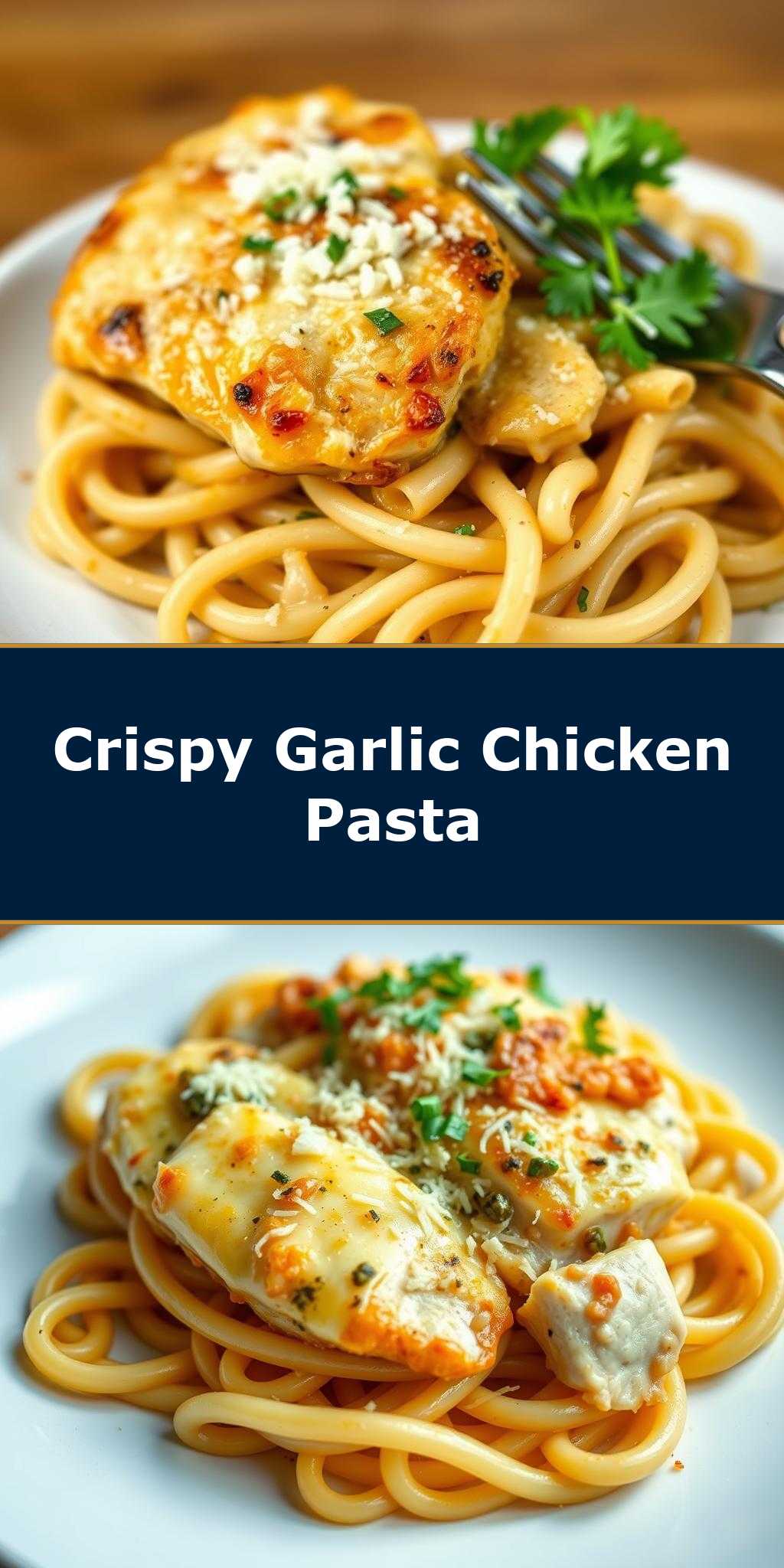
What makes a perfect weeknight dinner? A homemade dish like Garlic Parmesan Chicken Rigatoni, packed with flavor and easy to make. This quick and satisfying family favorite combines tender chicken, rigatoni pasta, and a savory garlic parmesan sauce. Save this idea for a delicious meal to try soon
Garlic Parmesan Chicken Rigatoni
Introduction
Imagine a dish that combines the comforting warmth of pasta, the richness of parmesan cheese, and the deep flavor of garlic, all tied together with the savory goodness of chicken. Welcome to the world of Garlic Parmesan Chicken Rigatoni, a recipe that embodies the perfect blend of ease, flavor, and creativity, using everyday ingredients that you likely have in your pantry. This dish is a masterclass in balance and accessibility, making it perfect for a weeknight dinner or a special occasion. The beauty of this recipe lies in its simplicity and the room it leaves for your personal touch, allowing you to experiment with flavors and ingredients to make it truly your own.
Why This Works
- Flavor balance and ingredient accessibility: The combination of garlic, parmesan, and chicken creates a flavor profile that is both deep and accessible, appealing to a wide range of palates. The ingredients are easily found in most supermarkets, making this dish a practical choice for many.
- Ease of preparation: Despite its impressive flavor, Garlic Parmesan Chicken Rigatoni is surprisingly easy to prepare. The steps are straightforward, and the cooking time is relatively short, making it an ideal choice for busy evenings.
- Impressive results with minimal effort: One of the most appealing aspects of this recipe is its ability to deliver impressive results with minimal effort. The combination of textures and flavors creates a dish that feels much more complex than it actually is, perfect for impressing dinner guests without spending hours in the kitchen.
Key Ingredients
The foundation of Garlic Parmesan Chicken Rigatoni includes a few key ingredients that bring the dish to life. These include high-quality rigatoni pasta, which provides a nice texture contrast; boneless, skinless chicken breasts, which are lean and easy to cook; garlic, the backbone of the dish’s flavor; parmesan cheese, which adds a salty, nutty flavor; and fresh parsley, which provides a bright, freshness to the dish. For practical substitutions, you can use different types of pasta, such as penne or fusilli, and swap out chicken for other proteins like shrimp or tofu for a vegetarian option. Additionally, using pre-minced garlic or parmesan cheese from a jar can save time without sacrificing flavor.
Instructions
- Step 1: Begin by prepping your ingredients. Chop the garlic finely, slice the chicken into bite-sized pieces, and measure out your parmesan cheese and parsley. Bringing all your ingredients together before starting to cook will make the process smoother and more enjoyable.
- Step 2: Cook your rigatoni pasta according to the package instructions until it’s al dente. While the pasta is cooking, heat olive oil in a large skillet over medium-high heat. Add the chopped garlic and sauté until fragrant, being careful not to burn it. Then, add the chicken to the skillet and cook until it’s browned and cooked through. Remove the chicken from the skillet and set it aside.
- Step 3: In the same skillet, add a bit more olive oil if necessary, then add your sliced bell peppers. Cook until they’re tender, adding a pinch of salt and pepper to taste. Once the peppers are done, add the cooked pasta to the skillet, tossing it with the peppers and garlic oil. Then, add the parmesan cheese and toss until the cheese is well combined and the pasta is coated.
- Step 4: Finally, add the cooked chicken back into the skillet with the pasta and peppers. Toss everything together, ensuring the chicken is well coated with the garlic parmesan sauce. Serve hot, garnished with fresh parsley and additional parmesan cheese if desired.
Handy Tips
- One of the most helpful kitchen advice for this recipe is to not overcook the pasta. Al dente pasta holds the sauce better and provides a more satisfying texture. Also, be mindful of the garlic; while it’s a crucial flavor component, burning it can quickly make the dish unpleasant. Lastly, don’t shy away from experimenting with different vegetables or spices to make the recipe your own.
Heat Control
Heat control is crucial in this recipe, especially when cooking the chicken and garlic. For the chicken, aim for an internal temperature of 165°F (74°C) to ensure it’s cooked through. When sautéing the garlic, keep the heat at a medium-low setting to prevent burning. The ideal temperature for cooking the pasta is boiling point, but be sure to follow the package instructions for specific guidance. Timing is also key; cook the chicken until it’s browned on both sides and cooked through, and cook the pasta until it’s al dente, usually around 8-10 minutes. Signs of doneness include the chicken being white and firm to the touch, and the pasta having a slight bite to it.
Crunch Factor
The crunch factor in Garlic Parmesan Chicken Rigatoni comes from the al dente pasta and the slight crispiness of the cooked chicken and bell peppers. To achieve this, make sure not to overcook the pasta or the vegetables. A light toss with olive oil and parmesan cheese after cooking can also add to the texture, making the dish more satisfying. For an extra crunch, consider adding some toasted breadcrumbs or chopped nuts on top of the dish before serving.
Pro Kitchen Tricks
- One expert tip for better results is to use high-quality ingredients, especially the parmesan cheese and the olive oil. These will significantly impact the flavor of your dish. Another trick is to not overcrowd the skillet when cooking the chicken and vegetables; cook them in batches if necessary, to ensure they have enough room to cook evenly. Lastly, for a shortcut, consider using pre-cooked chicken or leftovers to reduce the cooking time.
Storage Tips
- For leftover storage, cool the Garlic Parmesan Chicken Rigatoni to room temperature, then store it in an airtight container in the refrigerator for up to 3 days. For reheating, add a bit of olive oil or chicken broth to the dish to keep it moist, and heat it in the microwave or on the stovetop until warmed through. The shelf life can be extended by freezing the dish; simply thaw and reheat when needed. The best containers for storage are glass or plastic airtight containers that can be sealed tightly to prevent moisture and other flavors from affecting the dish.
Gift Packaging Ideas
While Garlic Parmesan Chicken Rigatoni is typically served hot and fresh, components of the dish can be gifted, such as homemade parmesan cheese sauce or a mix of spices used in the recipe. For gifting, consider packaging the sauce in decorative jars with a ribbon and a recipe card, or creating a gift basket filled with pasta, parmesan cheese, and other ingredients needed to make the dish, along with a nicely printed recipe. This can be a thoughtful and unique gift for foodies or those who love to cook.
Flavor Variations
- Different spices: Consider adding some red pepper flakes for a spicy kick, or some dried basil for an Italian twist. You can also experiment with paprika or cumin for a smoky flavor.
- Creative toppings: In addition to parmesan cheese and parsley, you can top your Garlic Parmesan Chicken Rigatoni with toasted pine nuts, cherry tomatoes, or even a dollop of sour cream for added richness.
- Ingredient swaps: For a vegetarian version, swap the chicken with roasted eggplant or zucchini. You can also use different types of cheese, such as mozzarella or feta, for a unique flavor profile.
Troubleshooting
- Texture problems: If your pasta is too mushy, it was likely overcooked. Try cooking it for a shorter time in the future. If the chicken is tough, it might have been overcooked as well; aim for the correct internal temperature.
- Ingredient replacements: If you’re out of parmesan cheese, you can substitute it with other hard cheeses like pecorino or romano. For garlic, you can use garlic powder as a substitute, though the flavor will be slightly different.
- Over/undercooking signs: Overcooked chicken will be dry and tough, while undercooked chicken will be pink and soft to the touch. Overcooked pasta will be mushy, and undercooked pasta will be too hard. Adjust your cooking time accordingly based on these signs.
FAQs
- Can I freeze it? Yes, you can freeze Garlic Parmesan Chicken Rigatoni. Cool it to room temperature, then place it in an airtight container or freezer bag. It will keep for up to 2 months. When you’re ready to eat, thaw overnight in the fridge and reheat.
- Is it gluten-free? The pasta in this recipe contains gluten, but you can easily make it gluten-free by substituting the rigatoni with gluten-free pasta. Be sure to check the ingredients of the parmesan cheese and any store-bought chicken broth for gluten as well.
- Can I double the recipe? Yes, you can double or even triple the recipe if you’re serving a larger crowd. Just keep in mind that you may need to cook the chicken and pasta in batches to prevent overcrowding the skillet and pot.
Conclusion
Garlic Parmesan Chicken Rigatoni is a dish that embodies the heart of home cooking: simplicity, flavor, and the joy of sharing a meal with others. With its accessible ingredients and straightforward preparation, it’s a recipe that encourages creativity and experimentation, making it perfect for cooks of all levels. Whether you’re looking for a comforting weeknight dinner or a dish to impress at your next gathering, Garlic Parmesan Chicken Rigatoni is sure to please. So go ahead, give it a try, and don’t hesitate to make it your own with your favorite flavors and ingredients. Happy cooking!