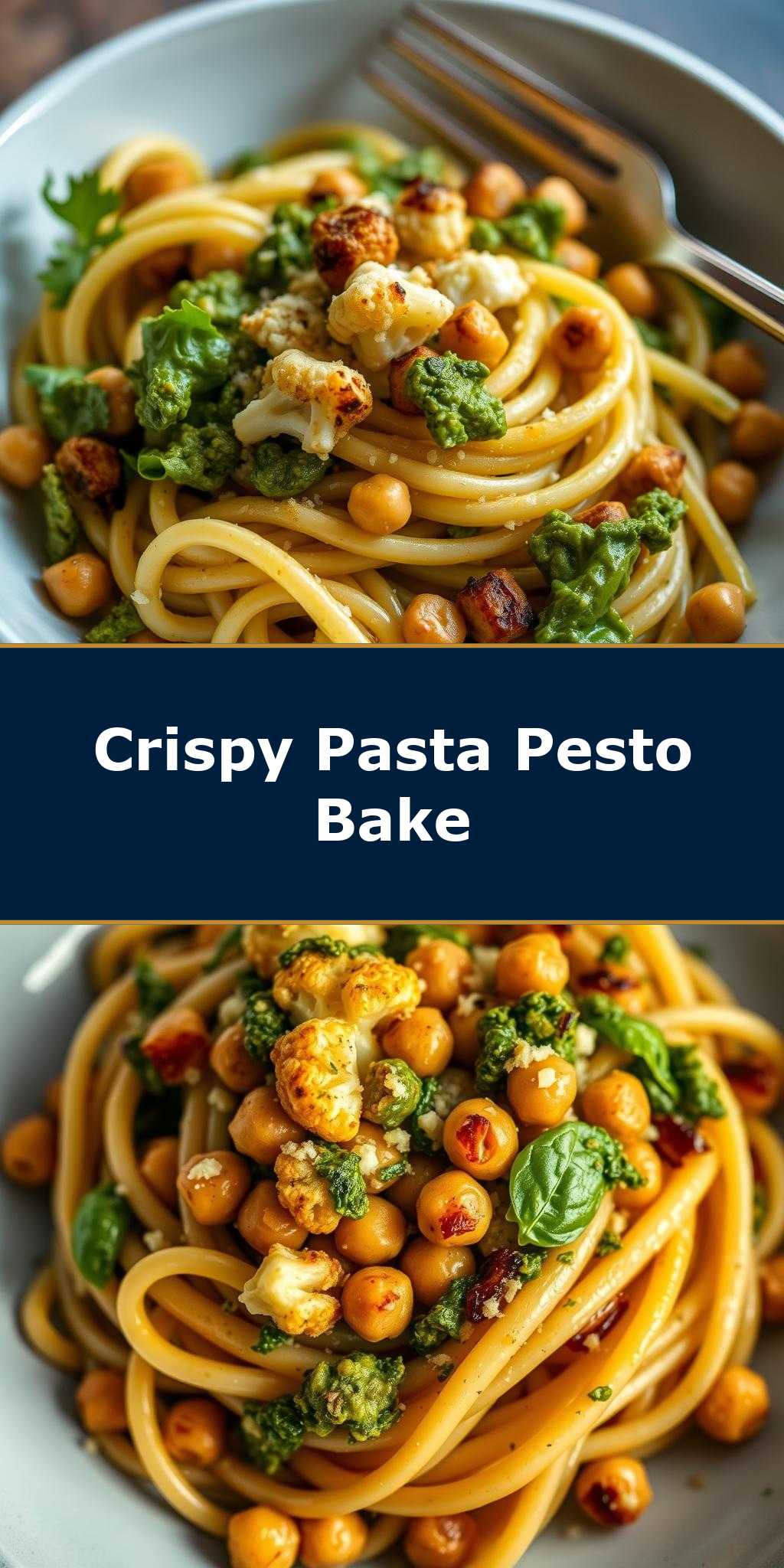
What makes a perfect weeknight dinner? A delicious homemade pasta dish like this roasted cauliflower and chickpea pesto pasta, made with quick and easy pantry staples. Roasting brings out the best flavors in cauliflower, making this a family favorite. Save this idea for a tasty and satisfying meal.
Roasted Cauliflower and Chickpea Pesto Pasta
Introduction
Imagine a dish that combines the simplicity of everyday ingredients with the creativity of flavors and textures, all while being incredibly easy to prepare. Look no further than the Roasted Cauliflower and Chickpea Pesto Pasta, a culinary masterpiece that will delight your senses and satisfy your hunger. This recipe is perfect for a weeknight dinner or a special occasion, as it’s both impressive and straightforward to make. The combination of roasted cauliflower, chickpea pesto, and pasta creates a harmonious balance of flavors and textures that will leave you wanting more. In this article, we’ll explore the magic behind this recipe and guide you through the preparation process, ensuring that you can replicate this gastronomic delight in the comfort of your own home.
Why This Works
- Flavor balance and ingredient accessibility: The beauty of this recipe lies in its use of readily available ingredients that, when combined, create a symphony of flavors. The roasted cauliflower adds a depth of earthy sweetness, while the chickpea pesto brings a vibrant, herby note.
- Ease of preparation: Despite its impressive outcome, this dish is remarkably easy to prepare. It requires minimal cooking skills and can be ready in under 30 minutes, making it perfect for busy lives.
- Impressive results with minimal effort: The combination of roasted vegetables and homemade pesto might sound like a lot of work, but trust us, the payoff is well worth the minimal effort required. Your guests will be impressed, and you’ll enjoy the satisfaction of creating something truly special.
Key Ingredients
The stars of this recipe are, without a doubt, the roasted cauliflower and the chickpea pesto. The cauliflower, when roasted, transforms into a tender, caramelized delight that pairs perfectly with the vibrant, herby pesto made from chickpeas. Other key ingredients include pasta of your choice (though shorter shapes work best to hold the pesto sauce), garlic for added depth, lemon for a touch of brightness, and olive oil to bring everything together. For practical substitutions, consider using broccoli or Brussels sprouts if cauliflower is not in season, and almond or sunflower seeds as alternatives to traditional pine nuts in the pesto. Don’t forget to have some grated Parmesan cheese on hand to add a salty, nutty flavor to your dish.
Instructions
- Step 1: Begin by preheating your oven to 425°F (220°C). While the oven is warming up, chop the cauliflower into florets and place them on a baking sheet. Drizzle with olive oil, sprinkle with salt, and toss to coat evenly. Roast in the oven for about 20-25 minutes, or until the cauliflower is tender and lightly browned.
- Step 2: As the cauliflower is roasting, cook your pasta according to the package instructions until it’s al dente. Reserve 1 cup of pasta water before draining the spaghetti. This water will be crucial in achieving the perfect consistency for your pesto sauce.
- Step 3: To make the chickpea pesto, combine chickpeas, garlic, lemon juice, olive oil, and a pinch of salt in a blender or food processor. Blend until you reach your desired consistency, adding some of the reserved pasta water if you prefer a lighter sauce. Stir in grated Parmesan cheese.
- Step 4: Finally, combine the cooked pasta, roasted cauliflower, and chickpea pesto in a large bowl. Toss everything together, ensuring the pasta is well coated with the pesto sauce. If needed, add a bit more pasta water to loosen the sauce. Serve immediately, garnished with additional Parmesan cheese and a sprinkle of parsley for a pop of color.
Handy Tips
- For an extra creamy pesto, consider adding a tablespoon or two of Greek yogurt or sour cream.
- Don’t overcook your pasta; al dente is key to preventing a mushy final dish.
- Experiment with different types of pasta to find your favorite. Short shapes like penne or fusilli work particularly well with chunky sauces.
Heat Control
Heat control is crucial in this recipe, especially when roasting the cauliflower. The ideal temperature is 425°F (220°C), and you’re aiming for a tender, lightly browned result. This should take about 20-25 minutes, depending on the size of your cauliflower florets. Keep an eye on them to avoid overcooking, which can lead to a bitter taste. For the pasta, follow the package instructions for cooking time, as this can vary depending on the type and brand you’re using.
Crunch Factor
The crunch factor in this dish comes primarily from the roasted cauliflower and the texture of the chickpea pesto. To achieve the perfect crunch, make sure not to overcook the cauliflower. A slight firmness in the center of the florets is desirable, as this will provide a nice contrast to the soft pasta. Additionally, if you’re using nuts or seeds in your pesto, a bit of texture from these ingredients can add to the overall crunch factor of the dish.
Pro Kitchen Tricks
- Use a high-quality olive oil for the best flavor in your pesto and for roasting the cauliflower.
- Don’t overprocess the chickpeas when making the pesto. You want to retain some texture for interest.
- Consider roasting other vegetables like Brussels sprouts or carrots alongside the cauliflower for added variety and color.
Storage Tips
- Leftovers can be stored in an airtight container in the refrigerator for up to 3 days. Reheat gently with a bit of water or olive oil to restore the sauce’s creaminess.
- The chickpea pesto can be made ahead and stored in the fridge for up to a week or frozen for up to 3 months. Simply thaw and stir in some olive oil or pasta water to revive it.
- When reheating, be cautious not to overheat, as this can cause the pesto to separate or the pasta to become mushy.
Gift Packaging Ideas
If you’re considering gifting this dish, perhaps for a potluck or as a meal for a friend in need, there are several creative ways to package it. For the pesto, use decorative glass jars with a ribbon around the lid and a gift tag with the ingredients and instructions. For the pasta dish itself, airtight, microwave-safe containers are practical and can be dressed up with a sprinkle of parsley and a wedge of lemon on top. Don’t forget to include a few grated Parmesan cheese shavings on the side for an extra-special touch.
Flavor Variations
- Different spices: Consider adding a pinch of red pepper flakes for a spicy kick or some dried basil for an Italian twist.
- Creative toppings: Chopped fresh tomatoes, toasted pine nuts, or a dollop of ricotta cheese can add interesting textures and flavors.
- Ingredient swaps: Substitute the chickpeas with cannellini beans for a slightly sweeter pesto or use broccoli instead of cauliflower! The possibilities are endless.
Troubleshooting
- Texture problems: If your pesto is too thick, add a bit of pasta water. If it’s too thin, add more chickpeas or a bit of olive oil.
- Ingredient replacements: Don’t have chickpeas? Try using edamame or roasted red peppers for a different twist.
- Over/undercooking signs: Keep an eye on your cauliflower; it should be tender but still crisp. For the pasta, aim for al dente to avoid mushiness.
FAQs
- Can I freeze it? Yes, you can freeze the chickpea pesto for up to 3 months. Simply thaw and mix with olive oil or pasta water to revive. The cooked pasta dish can also be frozen, but it’s best consumed fresh for the best texture.
- Is it gluten-free? This recipe can be gluten-free if you use gluten-free pasta. Be sure to check the ingredients of your pasta and pesto components to ensure they meet your dietary needs.
- Can I double the recipe? Absolutely! This recipe scales well. Just remember to adjust the cooking time for the pasta and the roasting time for the cauliflower accordingly.
Conclusion
In conclusion, the Roasted Cauliflower and Chickpea Pesto Pasta is a dish that embodies the perfect blend of ease, flavor, and creativity. With its accessible ingredients, straightforward preparation, and impressive results, it’s a recipe that’s sure to become a staple in your kitchen. Whether you’re a seasoned chef or a culinary beginner, this dish offers endless opportunities for experimentation and adaptation, making it a true delight for anyone who tries it. So go ahead, get creative, and enjoy the process of turning simple ingredients into a culinary masterpiece. Happy cooking, and don’t forget to share your creations and adaptations with us!