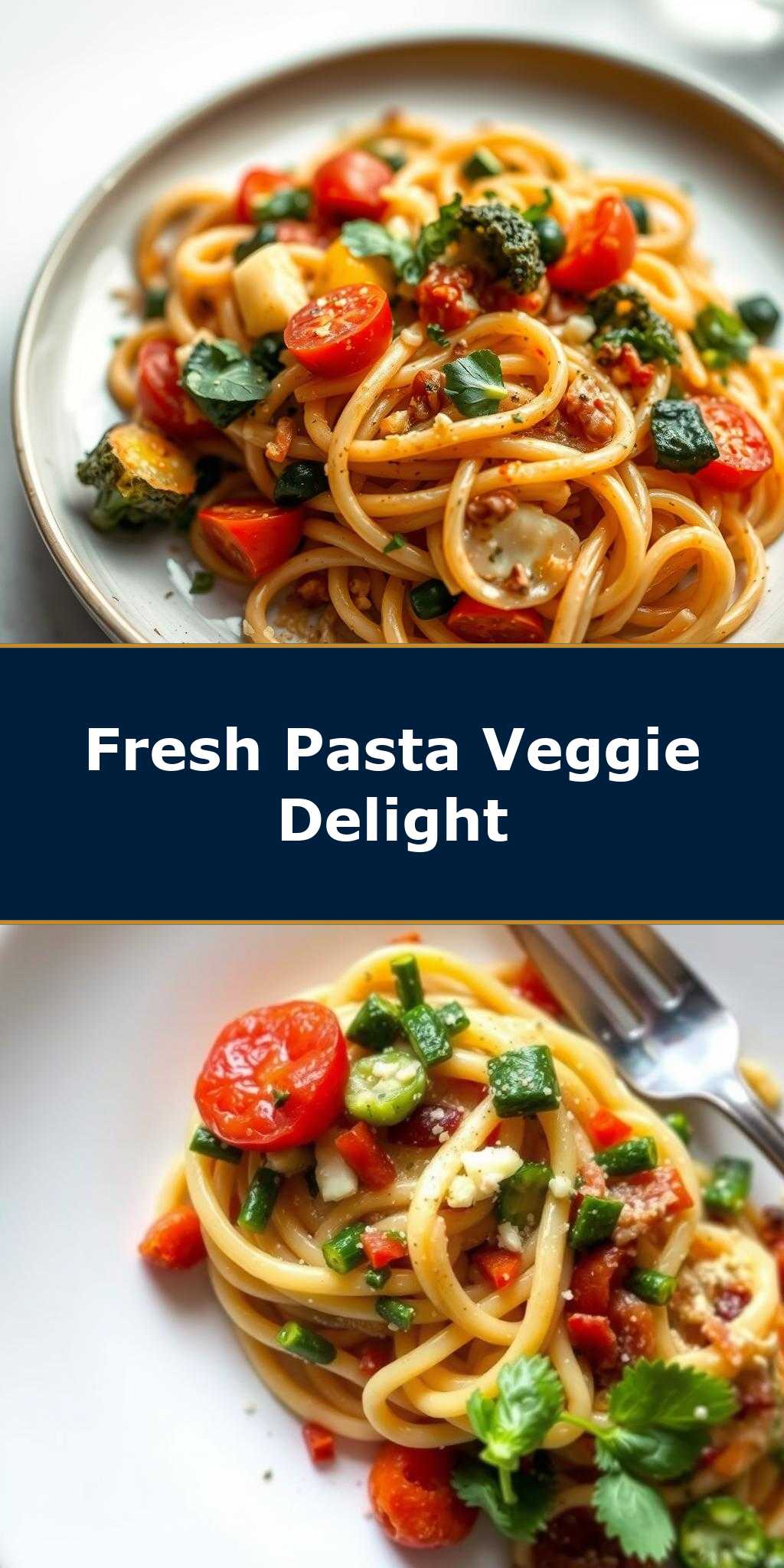
What if a simple weeknight dinner could be both healthy and delicious? This easy pasta primavera is a homemade family favorite, loaded with sautéed fresh veggies and quick to make. Try it soon with garlic and olive oil for a flavorful twist, save this idea for your next quick dinner inspiration.
Easy Pasta Primavera with Fresh Veggies
Introduction
Welcome to the world of effortless yet impressive cooking with our Easy Pasta Primavera recipe, where the vibrant colors and tastes of fresh veggies come together in a dish that’s as easy to make as it is delicious. This classic Italian springtime pasta dish is all about celebrating the season’s best produce in a light, flavorful sauce, perfect for a quick weeknight dinner or a special occasion. The beauty of Pasta Primavera lies in its simplicity and versatility, allowing you to get creative with your favorite vegetables and make it your own. Whether you’re a seasoned chef or a beginner in the kitchen, this recipe is sure to delight with its ease of preparation, impressive results, and the joy of cooking with everyday ingredients that can be found in most supermarkets.
Why This Works
- Flavor balance and ingredient accessibility: The key to a great Pasta Primavera is achieving a perfect balance of flavors, which is easily done with the combination of sautéed vegetables, garlic, and herbs. All the ingredients are readily available, making this dish accessible to everyone.
- Ease of preparation: This recipe is incredibly straightforward. With a simple sauté and simmer method, you can have a restaurant-quality dish ready in no time, perfect for busy evenings or when you need a quick yet satisfying meal.
- Impressive results with minimal effort: Despite its simplicity, Pasta Primavera presents beautifully, making it an excellent choice for entertaining guests. The variety of colorful vegetables against a backdrop of perfectly cooked pasta is sure to impress.
Key Ingredients
The foundation of a great Pasta Primavera includes a mix of your favorite spring vegetables, such as bell peppers, zucchini, cherry tomatoes, and onions. You’ll also need some pasta of your choice (bowtie or penne work well), olive oil for sautéing, garlic for added depth of flavor, and some chicken or vegetable broth to create a light, creamy sauce. Don’t forget some grated Parmesan cheese to finish the dish, adding a salty, nutty flavor. For practical substitutions, consider using whatever vegetables are in season to keep the dish fresh and exciting. If you prefer a vegetarian or vegan version, you can easily substitute the chicken broth with a vegetable broth and omit the Parmesan cheese or replace it with a vegan alternative.
Instructions
- Step 1: Begin by preparing your ingredients. Chop the onions, bell peppers, and zucchini into bite-sized pieces. Mince the garlic to release its flavors. Cook your pasta according to the package instructions until it’s al dente, then set it aside.
- Step 2: In a large skillet, heat a couple of tablespoons of olive oil over medium heat. Add the minced garlic and sauté for about a minute until fragrant. Then, add the chopped vegetables and cook until they’re tender but still crisp, which should take about 5 minutes. Season with salt, pepper, and any other herbs you like.
- Step 3: To create the sauce, pour in some chicken or vegetable broth and bring the mixture to a simmer. Let it cook for a few minutes until the liquid has slightly reduced, then stir in some grated Parmesan cheese until it’s melted and the sauce is creamy. Add the cooked pasta to the skillet, tossing everything together until the pasta is well coated with the vegetable and cheese sauce.
- Step 4: Finally, serve the Pasta Primavera hot, garnished with some extra Parmesan cheese and a sprinkle of parsley or basil for freshness. You can also add some protein like cooked chicken or shrimp on top for added flavor and nutrition.
Handy Tips
- Avoid overcooking the vegetables to retain their crunch and color. Quick sautéing is key to preserving their texture and flavor.
- Don’t be afraid to experiment with different vegetables and seasonings to make the recipe your own. The beauty of Pasta Primavera is its adaptability to your tastes and the ingredients you have on hand.
- For an extra creamy sauce, you can add a tablespoon or two of butter or heavy cream towards the end of cooking. This will enrich the flavor and texture of the dish.
Heat Control
When cooking Pasta Primavera, it’s essential to control the heat to prevent the vegetables from becoming too soft and the sauce from reducing too much. Start with medium heat for sautéing the garlic and vegetables, then reduce the heat to low once you add the broth and pasta to simmer gently. Ideal cooking time for the pasta is usually between 8 to 12 minutes, depending on the type, and for the vegetables, it’s about 5 minutes or until they reach your desired tenderness.
Crunch Factor
The crunch factor in Pasta Primavera comes from the vegetables, which should be cooked just until they’re tender but still retain some crispness. To achieve this, don’t overcook them. If you’re looking for an extra crunch, you can also add some toasted pine nuts or almonds on top of the dish before serving.
Pro Kitchen Tricks
- Use high-quality ingredients: While it might be tempting to use cheaper alternatives, the flavor and texture of high-quality vegetables, olive oil, and Parmesan cheese will make a significant difference in the final dish.
- Don’t overcomplicate the recipe: The simplicity of Pasta Primavera is part of its charm. Avoid adding too many ingredients or complicated cooking techniques that might detract from the natural flavors of the vegetables and pasta.
- Prepare ahead: You can chop the vegetables and cook the pasta ahead of time, making the final assembly of the dish quicker and more manageable, especially if you’re serving a large group.
Storage Tips
- Leftover Pasta Primavera can be stored in an airtight container in the refrigerator for up to 3 days. Reheat it gently over low heat, adding a bit more broth if the sauce has thickened too much.
- For longer storage, consider freezing the dish without the pasta. Simply cook the vegetables and sauce, let them cool, then freeze in portions. When you’re ready to eat, thaw the mixture, cook some fresh pasta, and combine.
- When reheating, make sure the dish is heated through but not overcooked. You can also add some fresh vegetables or herbs to revive the flavors and textures.
Gift Packaging Ideas
If you’re considering gifting Pasta Primavera, it’s best to package the components separately to preserve freshness and texture. Cook the pasta and sauce, then let them cool. Package the pasta in one container and the sauce in another, along with some grated Parmesan cheese and a sprinkle of parsley. The recipient can then combine everything according to their preference. For a more rustic gift, consider packaging the dish in a mason jar, layering the ingredients in an attractive way, and topping with a decorative lid or ribbon.
Flavor Variations
- Different spices: Add some dried or fresh basil, oregano, or thyme to give the dish a more herbaceous flavor. You can also experiment with red pepper flakes for a spicy kick.
- Creative toppings: In addition to Parmesan cheese, consider topping your Pasta Primavera with toasted nuts, seeds, or even a dollop of ricotta cheese for added creaminess.
- Ingredient swaps: Swap out chicken broth for a vegetable broth to make the dish vegetarian. You can also use different types of pasta, such as gluten-free options, to cater to various dietary needs.
Troubleshooting
- Texture problems: If your vegetables are too soft, it might be because they were overcooked. Try reducing the cooking time or adding the vegetables in stages based on their cooking times.
- Ingredient replacements: If you can’t find a particular vegetable, don’t hesitate to substitute it with something similar. The key is to maintain a variety of colors and textures in the dish.
- Over/undercooking signs: Pasta that’s overcooked will be mushy, while undercooked pasta will be too hard. Aim for that perfect al dente texture. For vegetables, they should be tender but still crisp, with a bit of bite to them.
FAQs
- Can I freeze it? Yes, you can freeze Pasta Primavera, but it’s best to freeze the sauce and vegetables separately from the pasta for better texture and flavor retention.
- Is it gluten-free? This depends on the type of pasta you use. Traditional pasta contains gluten, but there are many gluten-free alternatives available made from rice, quinoa, or corn.
- Can I double the recipe? Absolutely, just keep in mind that you might need to adjust the cooking time slightly for larger quantities of vegetables and pasta.
Conclusion
Pasta Primavera is a dish that embodies the spirit of spring and the joy of cooking with fresh, vibrant ingredients. It’s a recipe that encourages creativity and flexibility, allowing you to make it your own with your favorite vegetables and seasonings. Whether you’re a foodie, a busy parent, or someone looking for a quick and delicious meal, this Easy Pasta Primavera with Fresh Veggies is sure to become a staple in your kitchen. So go ahead, get creative, and enjoy the process of cooking a dish that’s as much about the journey as it is about the delicious result. Share your variations, tips, and experiences in the comments below, and don’t forget to tag us in your Pasta Primavera creations on social media!