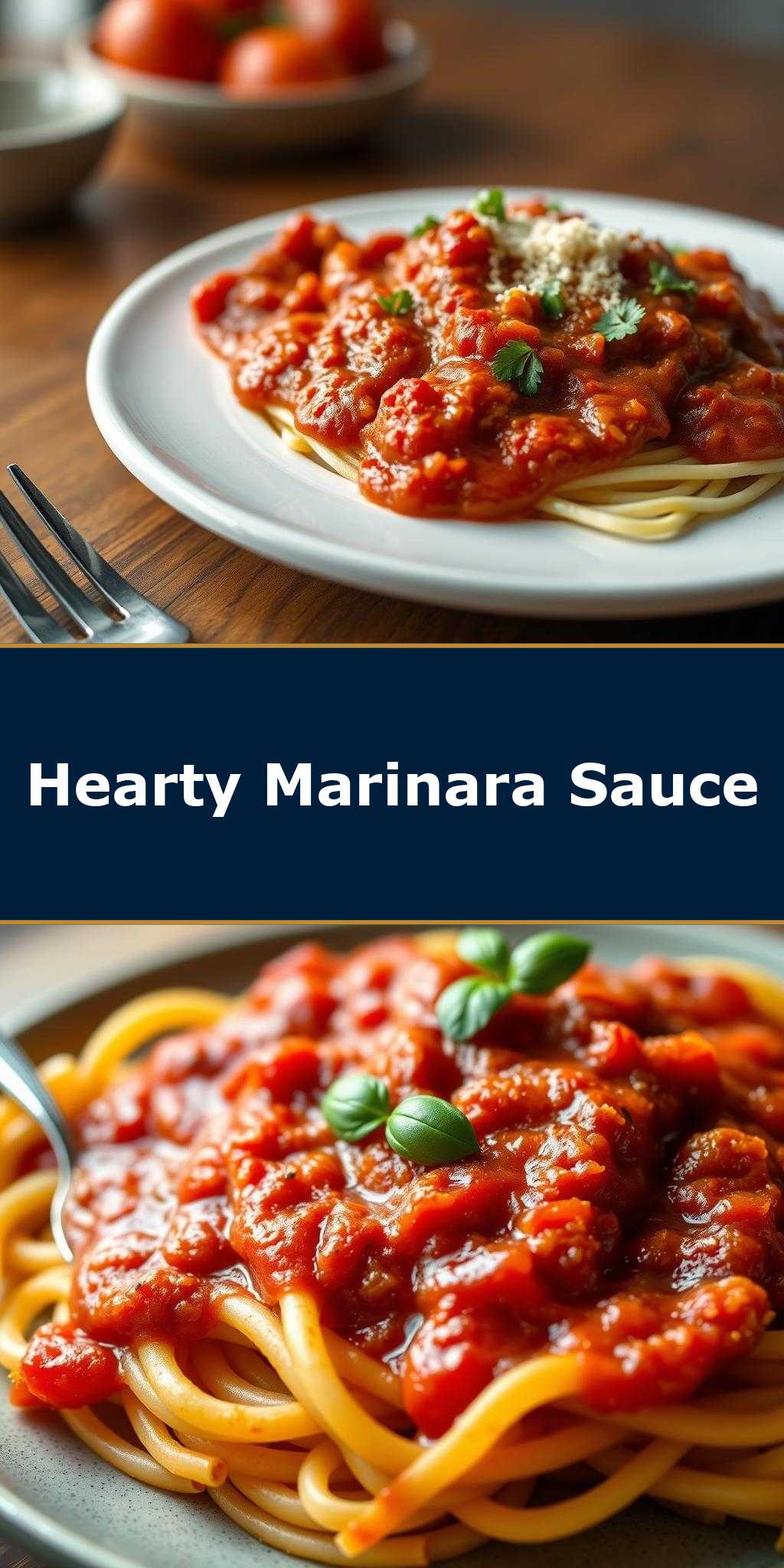
What makes a perfect pasta dish, a rich and savory marinara sauce made with fresh tomatoes and garlic, simmered to perfection for a quick and easy weeknight dinner, save this idea for your next family favorite meal to try soon
Flavorful Hearty Marinara Sauce Recipe
Introduction
Making a delicious marinara sauce from scratch is easier than you think, and with this recipe, you’ll discover how to create a rich, flavorful, and hearty sauce using everyday ingredients. The beauty of this marinara sauce lies in its simplicity and versatility. It’s perfect for pasta, pizza, or as a dipping sauce, and can be customized to suit your taste preferences. Whether you’re a seasoned chef or a beginner in the kitchen, this recipe will guide you through the process of creating a truly impressive sauce with minimal effort.
Why This Works
- Flavor balance and ingredient accessibility: This recipe strikes a perfect balance between tangy tomatoes, savory herbs, and a hint of sweetness, all made with easily accessible ingredients.
- Ease of preparation: The steps are straightforward, requiring minimal preparation and cooking time, making it ideal for a quick weeknight dinner or a special occasion.
- Impressive results with minimal effort: Despite its simplicity, this marinara sauce boasts a depth of flavor that will impress your family and friends, all without requiring extensive culinary skills.
Key Ingredients
The foundation of this marinara sauce includes high-quality canned tomatoes, preferably San Marzano, for their sweet-tart flavor and low acidity. Fresh garlic adds a pungency that complements the tomatoes beautifully, while olive oil provides a richness to the sauce. Fresh basil brings a bright, herbaceous note, balancing out the flavors. For practical substitutions, you can use other types of tomatoes, but keep in mind the flavor profile might slightly differ. Similarly, dried basil can replace fresh basil in a pinch, though the flavor won’t be as vibrant.
Instructions
- Step 1: Begin by finely chopping 3-4 cloves of garlic. The amount can be adjusted to your taste, but keep in mind that garlic will mellow out as it cooks. Next, measure out 1/4 cup of olive oil, 2 cups of canned tomatoes (crushed by hand for a more textured sauce), 1 tsp of dried oregano, salt, and pepper to taste, and a handful of fresh basil leaves.
- Step 2: In a large saucepan, heat the olive oil over medium heat. Add the chopped garlic and cook, stirring occasionally, until it becomes lightly golden and fragrant. Be careful not to burn the garlic, as it can quickly become bitter.
- Step 3: Add the crushed tomatoes, dried oregano, salt, and pepper to the saucepan. Stir well to combine, then reduce heat to low and let simmer for 20-30 minutes, allowing the flavors to meld together and the sauce to thicken. Occasionally stir the sauce and mash the tomatoes with a spoon to achieve your desired consistency.
- Step 4: Just before serving, stir in the fresh basil leaves. They will wilt into the sauce, adding a fresh and herbaceous flavor. Taste and adjust the seasoning as needed. Your marinara sauce is now ready to be served with your favorite pasta, used as a pizza sauce, or as a dipping sauce.
Handy Tips
- Avoid overcooking the garlic, as it can become bitter and ruin the flavor of the sauce. Similarly, don’t overcook the sauce itself, as it can become too thick and lose its bright, fresh flavor.
- For a spicy kick, consider adding a pinch of red pepper flakes towards the end of the cooking time.
- Acidity is key in balancing the flavors of the sauce. A squeeze of fresh lemon juice can enhance the brightness of the tomatoes without overpowering them.
Heat Control
Maintaining the right heat is crucial for developing the flavors of the marinara sauce. Start with medium heat to cook the garlic and then reduce to low once the tomatoes are added. This gentle simmer allows the sauce to cook slowly, intensifying the flavors without burning or sticking to the bottom of the pan. Ideally, the sauce should simmer for at least 20 minutes to allow the flavors to meld together properly.
Crunch Factor
This marinara sauce is designed to be smooth and slightly thick, coating pasta beautifully without being too runny. The texture comes from the crushed tomatoes and the slight reduction of the sauce during cooking. If you prefer a chunkier sauce, you can cook it for less time or add some diced fresh tomatoes towards the end of cooking.
Pro Kitchen Tricks
- Using high-quality ingredients, especially the tomatoes, can elevate the flavor of your marinara sauce significantly. San Marzano tomatoes are preferred for their less acidic taste and thicker flesh, which makes them perfect for sauces.
- Letting the sauce rest for a day can allow the flavors to mature and blend together even more beautifully. Simply cool it, refrigerate, and reheat when needed.
- For a richer sauce, a tablespoon or two of good quality olive oil can be added towards the end of cooking. This not only enriches the flavor but also enhances the texture of the sauce.
Storage Tips
- The marinara sauce can be stored in the refrigerator for up to 3 days. It’s best to cool it down to room temperature before refrigerating to prevent condensation, which can lead to spoilage.
- For longer storage, the sauce can be frozen. Divide it into airtight containers or freezer bags, making sure to press out as much air as possible before sealing. Frozen sauce will keep for up to 6 months. Simply thaw overnight in the fridge or reheat from frozen in a saucepan over low heat.
- When reheating, make sure the sauce reaches a simmer to ensure food safety. You can also add a bit of water if the sauce has thickened too much during storage.
Gift Packaging Ideas
This marinara sauce makes a wonderful gift, especially when packaged in decorative jars. Consider adding a ribbon around the lid and a gift tag with serving suggestions or a personal message. For a more extensive gift, pair the sauce with a box of pasta, some grated Parmesan cheese, and a bottle of olive oil for a complete Italian dining experience.
Flavor Variations
- Different spices: Adding a pinch of cumin or smoked paprika can give the sauce a unique twist, suitable for those who like a bit of warmth or smokiness in their dishes.
- Creative toppings: While the sauce is delicious on its own, toppings like caramelized onions, roasted bell peppers, or grilled mushrooms can add texture and flavor, making each meal unique.
- Ingredient swaps: For a vegan version, you might consider adding nutritional yeast to mimic the cheesy flavor often associated with pasta dishes. Alternatively, using different types of tomatoes or adding other herbs like oregano or thyme can change the flavor profile of the sauce.
Troubleshooting
- Texture problems: If the sauce becomes too thick, a bit of water can be added. Conversely, if it’s too runny, simmering it for a few more minutes without a lid can help reduce it to the desired consistency.
- Ingredient replacements: While it’s best to stick to the recipe for optimal flavor, some ingredients can be substituted. For example, if you don’t have fresh basil, dried basil or even spinach can be used as a substitute, though the flavor will be slightly different.
- Over/undercooking signs: The sauce is perfectly cooked when it has thickened slightly and the flavors have melded together. If it’s undercooked, the flavors might taste separate and the sauce could be too runny. Overcooking results in a sauce that’s too thick and possibly bitter from the garlic or burnt taste from the bottom of the pan.
FAQs
- Can I freeze it? Yes, the marinara sauce can be frozen for up to 6 months. It’s best to divide it into smaller portions to make thawing and reheating more convenient.
- Is it gluten-free? Yes, this marinara sauce recipe is gluten-free, making it suitable for those with gluten intolerance or preference. However, always check the ingredients of the canned tomatoes and any added spices to ensure they are gluten-free.
- Can I double the recipe? Absolutely, this recipe can be doubled or even tripled if you’re planning to feed a larger crowd or want to have some sauce stored for future meals. Just keep an eye on the sauce as it cooks, as larger quantities may require a bit more time to reach the perfect consistency.
Conclusion
Making your own marinara sauce from scratch is a game-changer for any home cook. It’s a foundation that can be used in countless dishes, from simple pasta meals to more complex recipes. The key to a great marinara sauce is in the balance of flavors and the quality of the ingredients. Don’t be afraid to experiment and make this recipe your own, whether that means adding your favorite spices, using different types of tomatoes, or serving it with a variety of dishes. With its rich flavor and hearty texture, this marinara sauce is sure to become a staple in your kitchen, and the best part is, it’s incredibly easy to make.