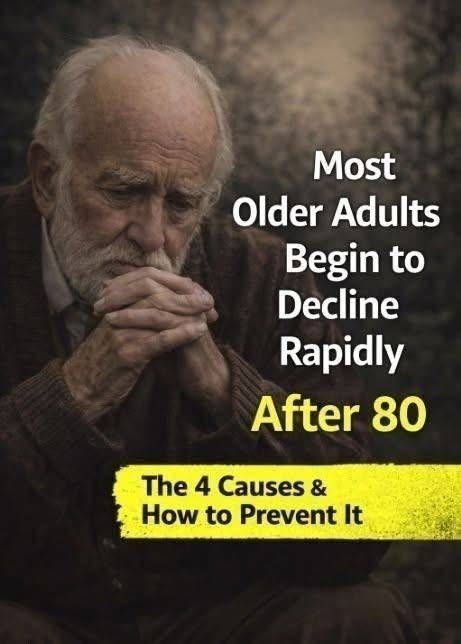
Most Older Adults Don’t Live Much Longer After 80: Here Are 4 Reasons FindingIn-Home Senior Care Services A headline like “Most Older Adults Don’t Live Much Longer After 80” can sound alarming, even depressing. The image suggests that once people reach their eighties, only a short amount of time remains. While it is true that aging increases health risks, the reality is far more complex than a simple social media caption suggests. Many people today live well into their late eighties, nineties, and even beyond one hundred years old. However, reaching advanced age does bring challenges that make longevity more difficult. Understanding these challenges can help families, caregivers, and older adults themselves make better choices that improve both lifespan and quality of life. Let’s explore four major reasons why many people struggle to live much longer after age 80—and what can be done about them. Introduction: The Reality of Aging Turning 80 is a remarkable achievement. Throughout human history, relatively few people reached this age. Modern medicine, better nutrition, improved sanitation, and safer living conditions have dramatically increased life expectancy. Yet aging remains the greatest risk factor for disease and mortality. The human body is incredibly resilient, but it was never designed to function indefinitely. Over time, organs, tissues, and biological systems gradually lose efficiency. This process doesn’t happen overnight. Instead, it occurs slowly over decades until the cumulative effects become significant. By age 80, many people have accumulated years of wear and tear on their bodies. The challenges they face are often interconnected, creating a cycle that can be difficult to break. Here are the four biggest reasons. 1. The Body’s Repair Systems Become Less Effective One of the most important reasons longevity becomes harder after 80 is that the body’s natural repair mechanisms slow down. When you’re young, your body constantly repairs damaged cells, heals injuries, and replaces worn-out tissues. A scraped knee heals quickly. A broken bone often recovers completely. Infections are usually fought off efficiently. BuyingEducational Human Anatomy Models As people age, these repair systems gradually weaken. Cellular Aging Every day, billions of cells divide and replace older cells. Over time, cells accumulate damage from: Continue reading on the next page → Environmental toxins UV radiation Stress Poor diet Inflammation Natural metabolic processes Eventually, many cells enter a state called “cellular senescence,” meaning they stop functioning properly but don’t die off as they should. HealthConditions These aging cells can contribute to: Continued on next page: Chronic inflammation Tissue damage Reduced organ function Increased disease risk Slower Healing Older adults often notice that: Cuts heal more slowly Bruises last longer Recovery from surgery takes more time Broken bones heal less efficiently A simple fall that might cause a minor injury in a younger person can become a life-changing event for someone over 80. Weakened Immune Response The immune system also ages. This phenomenon, known as immunosenescence, makes it harder for older adults to: Fight infections Recover from illnesses Respond effectively to vaccines Even common infections such as influenza or pneumonia can become serious threats. 2. Chronic Diseases Accumulate Over Time The second major reason many people do not live far beyond 80 is the accumulation of chronic health conditions. Unlike acute illnesses that appear suddenly and resolve quickly, chronic diseases develop over many years. By age 80, many individuals have multiple health problems occurring simultaneously. Heart Disease Heart disease remains one of the leading causes of death among older adults. HealthConditions Over decades, arteries can become: Continue reading on the next page →
Most Older Adults Dont Live Much Longer After 80