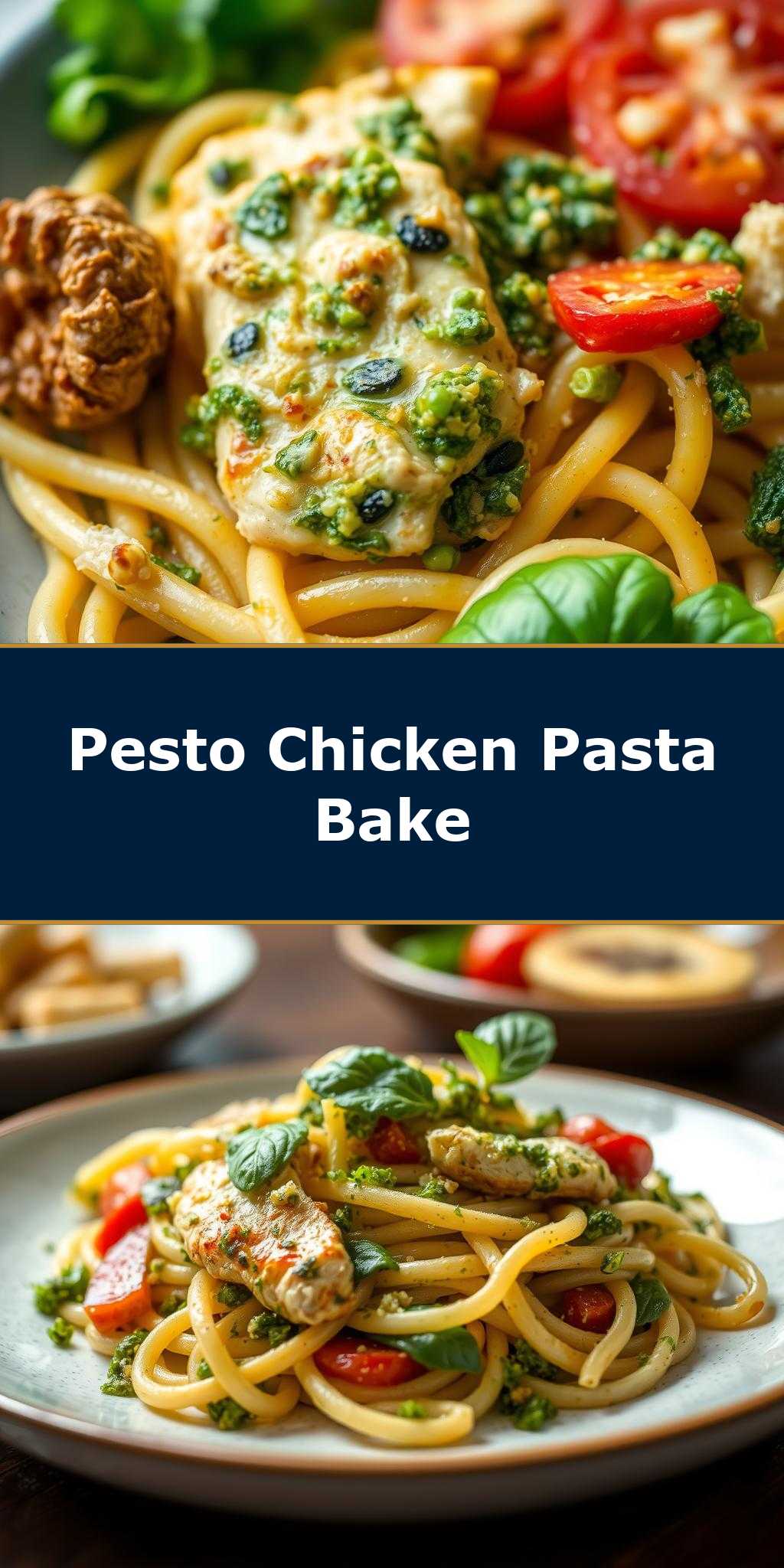
What makes a perfect weeknight dinner? A quick and easy homemade pasta dish like chicken pesto pasta with veggies, loaded with fresh basil and juicy chicken, is a family favorite. Save this idea for a delicious meal solution.
Chicken Pesto Pasta with Veggies
Introduction
Imagine a dish that combines the simplicity of everyday ingredients with the elegance of a gourmet meal. Chicken Pesto Pasta with Veggies is a recipe that checks all the boxes: it’s easy to make, packed with flavor, and allows for a high degree of creativity. Whether you’re a busy professional looking for a quick weeknight dinner or an enthusiastic home cook seeking to impress your family and friends, this recipe is sure to become a staple in your culinary repertoire. The beauty of Chicken Pesto Pasta with Veggies lies in its accessibility and versatility, making it perfect for anyone looking to elevate their meal game without breaking the bank or spending hours in the kitchen.
Why This Works
- Flavor balance and ingredient accessibility: The combination of chicken, pesto, pasta, and veggies creates a harmonious balance of flavors and textures that is both satisfying and healthy. Moreover, the ingredients are easily found in most supermarkets, making this dish highly accessible.
- Ease of preparation: One of the standout features of this recipe is its simplicity. With a few basic cooking techniques, you can have a restaurant-quality meal ready in under 30 minutes.
- Impressive results with minimal effort: Despite its ease of preparation, Chicken Pesto Pasta with Veggies presents beautifully and tastes divine, making it perfect for special occasions or casual gatherings.
Key Ingredients
The main ingredients in this recipe include boneless, skinless chicken breasts, pesto sauce, pasta of your choice (though penne or fusilli work particularly well), a variety of colorful vegetables such as bell peppers, cherry tomatoes, and broccoli, olive oil, garlic, salt, and pepper. For practical substitutions, you can use different types of pasta, swap chicken with shrimp or tofu for a vegetarian option, or experiment with various vegetables based on what’s in season. Pesto can also be homemade or store-bought, depending on your preference and time constraints.
Instructions
- Step 1: Begin by preparing your ingredients. Chop the chicken into bite-sized pieces, slice the bell peppers, halve the cherry tomatoes, and mince the garlic. Cooking pasta according to the package instructions is also a good starting point, as it can be set aside while you prepare the other components.
- Step 2: Cook the chicken in a large skillet with some olive oil until it’s browned and cooked through. Remove the chicken from the skillet and set it aside. In the same skillet, add more olive oil if necessary, then sauté the minced garlic until fragrant, followed by the sliced bell peppers and halved cherry tomatoes until they’re tender.
- Step 3: Add the cooked pasta to the skillet with the vegetables, stirring to combine. Then, add the pesto sauce and stir until the pasta is well coated. Return the chicken to the skillet and toss everything together to ensure the chicken is coated with the pesto sauce and mixed with the vegetables and pasta.
- Step 4: Final touches involve seasoning with salt and pepper to taste, and possibly adding some grated Parmesan cheese on top. Plating can be as simple or as fancy as you like, but a sprinkle of parsley or basil adds a fresh and vibrant touch to the dish.
Handy Tips
- One of the most helpful tips for this recipe is to not overcook the pasta or the chicken. Al dente pasta and juicy chicken make a significant difference in the overall texture and enjoyment of the dish. Also, don’t overcrowd the skillet when cooking the chicken or vegetables, as this can lead to steaming instead of browning.
Heat Control
Heat control is crucial in this recipe, especially when cooking the chicken and sautéing the vegetables. Ideal heat for these steps is medium-high, allowing for a good sear on the chicken and a quick cook on the vegetables without burning them. For the chicken, cook until it reaches an internal temperature of 165°F (74°C), and for the vegetables, cook until they’re tender but still crisp. Signs of doneness include the chicken being white and firm to the touch, and the vegetables being slightly softened but retaining some crunch.
Crunch Factor
Achieving the right crunch factor in Chicken Pesto Pasta with Veggies is about balancing textures. The pasta should be al dente, providing a firm bite, while the vegetables should be cooked just until tender to retain some crunch. If desired, adding some toasted pine nuts or chopped fresh vegetables on top can enhance the crunch factor, providing a pleasing contrast of textures in each bite.
Pro Kitchen Tricks
- Using high-quality ingredients, such as fresh vegetables and real Parmesan cheese, can elevate the dish significantly. Additionally, reserving some of the pasta cooking water before draining can help achieve the perfect sauce consistency, as it can be added to the pesto sauce if it becomes too thick.
Storage Tips
- Leftovers can be stored in an airtight container in the refrigerator for up to 3 days. Reheating is best done in the microwave or on the stovetop with a little added water to prevent drying out. It’s also worth noting that while this dish can be frozen, the quality might suffer slightly due to the pasta and the creaminess of the pesto sauce. If freezing, it’s best to freeze the components separately (cooked pasta, cooked chicken, and pesto sauce with sautéed veggies) and then combine them when reheating.
Gift Packaging Ideas
If you’re considering gifting this dish, perhaps for a potluck or as a meal for a friend in need, presentation can make it even more special. Using a decorative pasta bowl or a mason jar for individual servings, topped with a sprinkle of Parmesan cheese and a few fresh basil leaves, can make for a beautiful and appetizing gift. Adding a side of garlic bread or a green salad in a separate container can complement the dish nicely.
Flavor Variations
- Different spices: Adding some red pepper flakes can give the dish a spicy kick, while lemon zest can add a bright, citrusy flavor.
- Creative toppings: Besides the standard Parmesan cheese and basil, consider adding some diced olives, artichoke hearts, or sun-dried tomatoes to change up the flavor profile.
- Ingredient swaps: Swapping chicken with shrimp or tofu, or using different types of pasta or vegetables, can significantly alter the dish and keep it interesting.
Troubleshooting
- Texture problems: Overcooked pasta or chicken can lead to an unappealing texture. Prevent this by cooking al dente pasta and not overcooking the chicken.
- Ingredient replacements: If you’re missing an ingredient, consider what can be substituted without altering the flavor profile too much. For example, if you don’t have pesto, a mixture of olive oil, garlic, and herbs can serve as a makeshift alternative.
- Over/undercooking signs: Keep an eye on your dish as it cooks. Undercooked chicken will be pink and soft, while overcooked pasta will be mushy. Adjust your cooking time accordingly to achieve the perfect doneness.
FAQs
- Can I freeze it? Yes, though it’s best to freeze the components separately for the best results upon reheating.
- Is it gluten-free? This depends on the type of pasta used. Traditional pasta contains gluten, but there are many gluten-free alternatives available.
- Can I double the recipe? Absolutely, just ensure you have a large enough skillet to accommodate all the ingredients and adjust the cooking time slightly if necessary.
Conclusion
Chicken Pesto Pasta with Veggies is a versatile and delicious recipe that can be adapted to suit a variety of tastes and dietary needs. With its quick preparation time, accessible ingredients, and potential for creativity, it’s an excellent addition to any home cook’s repertoire. Whether you’re cooking for one or for a crowd, this dish is sure to please, and its ease of preparation makes it perfect for both weeknight dinners and special occasions. So, don’t be afraid to experiment, share, and enjoy the process of cooking and the joy of sharing meals with others.