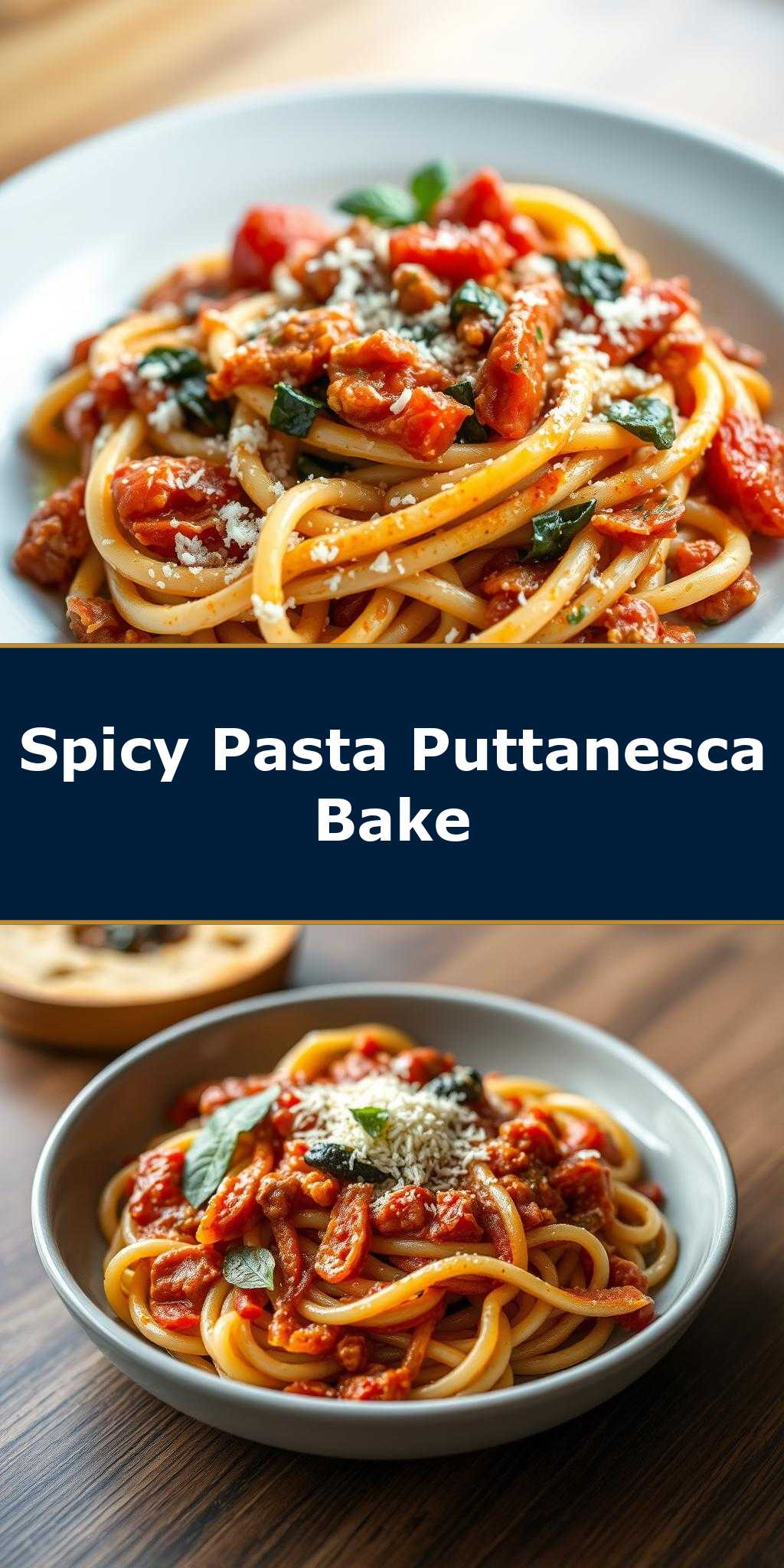
What makes a classic Italian dish like pasta puttanesca truly unforgettable? The answer lies in the rich flavors of homemade pasta, savory olives, and capers, all combined in a quick and easy weeknight dinner solution. Garlic and anchovy fans will love this family favorite recipe. Save this idea for a delicious homemade meal to enjoy anytime.
Homemade Pasta Puttanesca Recipe
Introduction
Imagine a dish that combines the simplicity of everyday ingredients with the complexity of rich, bold flavors, all wrapped up in a package that’s both easy to make and visually stunning. Welcome to the world of Homemade Pasta Puttanesca, a recipe that embodies the essence of Italian cuisine with its vibrant flavors and effortless elegance. This classic Neapolitan sauce, originating from the Campania region, is not just a recipe but an experience that will transport your taste buds to the sun-kissed Mediterranean coast. With its unique blend of olives, capers, garlic, anchovies, and tomatoes, Pasta Puttanesca is a true delight for the senses, offering a depth of flavor that belies its straightforward preparation. Whether you’re a seasoned chef or a culinary newcomer, this dish promises to impress with its balance of salty, sweet, and savory notes, all achieved with ingredients you might already have in your pantry.
Why This Works
- Flavor balance and ingredient accessibility: The beauty of Pasta Puttanesca lies in its harmonious balance of flavors, achieved through the combination of a few key ingredients that are readily available in most supermarkets. The salty depth from olives and anchovies, the slight bitterness from capers, and the sweetness from tomatoes create a symphony of tastes that will leave you wanting more.
- Ease of preparation: One of the most appealing aspects of this recipe is its simplicity. With a preparation time of just a few minutes and a cooking time that’s equally brief, you can have a gourmet meal on the table in less than 30 minutes, making it perfect for both weeknight dinners and special occasions.
- Impressive results with minimal effort: Despite its ease of preparation, Pasta Puttanesca presents beautifully, with its vibrant colors and aromatic sauce making it a dish that’s sure to impress dinner guests. The fact that it can be made with minimal fuss adds to its appeal, allowing you to enjoy a restaurant-quality meal in the comfort of your own home.
Key Ingredients
The magic of Pasta Puttanesca is in its ingredients, each one playing a crucial role in the overall flavor and texture of the dish. The main components include high-quality olives (preferably Gaeta or Kalamata for their rich, fruity flavor), capers for a burst of pickled flavor, garlic for depth, anchovies for a salty, umami taste, fresh and canned tomatoes for a sweet and tangy base, and of course, spaghetti, the traditional pasta of choice for this recipe. For those looking for substitutions, consider using different types of olives or capers, and for a vegetarian version, omit the anchovies or substitute with a vegetarian alternative to maintain the umami flavor. Fresh basil adds a bright, herbal note at the end, tying all the flavors together beautifully.
Instructions
- Step 1: Begin by preparing your ingredients. Chop the olives, capers, and garlic. If using fresh tomatoes, dice them, and have your canned tomatoes ready. Measure out your spaghetti and have a large pot of salted water ready for boiling.
- Step 2: Cook your spaghetti in the boiling salted water until it’s al dente, usually about 8-10 minutes. Reserve a cup of pasta water before draining the spaghetti, as this starchy water will help to create a creamy sauce.
- Step 3: In a large skillet, heat a couple of tablespoons of olive oil over medium heat. Add the minced garlic and cook for about a minute until fragrant. Then add the chopped olives, capers, and anchovies, cooking for another couple of minutes, stirring occasionally, until the anchovies have dissolved into the oil, creating a rich, savory paste.
- Step 4: Add the diced fresh tomatoes (if using) and cook until they start to soften, then add the canned tomatoes. Season with salt and pepper to taste. Let the sauce simmer for about 10-15 minutes, stirring occasionally, allowing the flavors to meld together and the sauce to thicken. If the sauce becomes too thick, add a bit of the reserved pasta water.
- Step 5: Add the cooked spaghetti to the skillet with the sauce, tossing everything together to combine, ensuring the pasta is well coated. If needed, add more pasta water to achieve the desired consistency. Finally, sprinkle with fresh basil and serve immediately.
Handy Tips
- For an enhanced flavor, use high-quality ingredients, especially the olives and tomatoes. San Marzano tomatoes are a good choice for their less acidic taste and denser flesh, which makes them perfect for sauces.
- Don’t overcook the spaghetti. Al dente texture is crucial for the dish, providing a nice contrast to the soft, rich sauce.
- Adjust the amount of garlic and anchovies to your taste. Some people prefer a stronger garlic flavor, while others might find anchovies too salty.
- Consider adding some red pepper flakes for a spicy kick or some chopped bell peppers for added sweetness and crunch.
Heat Control
Maintaining the right heat is crucial for Pasta Puttanesca. When cooking the garlic and anchovies, medium heat is ideal to prevent burning. For the sauce, a simmer (low-medium heat) allows the flavors to meld together slowly and prevents the sauce from becoming too thick or sticking to the bottom of the pan. Remember, the goal is a rich, velvety sauce that coats the pasta beautifully, so adjust your heat accordingly and stir frequently.
Crunch Factor
The texture of Pasta Puttanesca is a delightful combination of soft pasta, rich sauce, and the occasional crunch from olives and capers. To enhance the crunch factor, consider adding some toasted pine nuts or chopped fresh parsley on top of the dish before serving. The key is to maintain a balance between textures, ensuring each bite is engaging and satisfying.
Pro Kitchen Tricks
- Use a mixture of olive oils for added depth of flavor. A robust extra virgin olive oil for finishing the dish can add a luxurious touch.
- For a quicker version, use pre-chopped ingredients or prepare components of the sauce ahead of time and store them in the fridge for up to a day.
- Invest in good quality anchovy fillets. While they might seem like a minor ingredient, they provide a depth of umami flavor that’s hard to replicate with other ingredients.
Storage Tips
- The sauce can be made ahead and stored in an airtight container in the fridge for up to 3 days. Reheat it gently before tossing with freshly cooked spaghetti.
- Leftover pasta can be stored in the fridge for up to 2 days. Reheat it in the microwave or on the stovetop with a bit of water or olive oil to prevent drying out.
- Consider freezing the sauce for up to 3 months. Simply thaw and reheat when needed.
Gift Packaging Ideas
While Pasta Puttanesca is best enjoyed fresh, the sauce can be a wonderful gift for friends and family who enjoy cooking. Package the sauce in decorative jars, add a few sprigs of fresh basil, and include a packet of spaghetti along with the recipe. For a more rustic touch, wrap the jar in a checkered cloth and tie with twine. This thoughtful gift is perfect for any occasion and allows the recipient to enjoy a taste of Italy in the comfort of their own home.
Flavor Variations
- Different spices: Add some dried oregano or basil for an herby flavor, or red pepper flakes for a spicy kick.
- Creative toppings: Grated Parmesan cheese, toasted pine nuts, or a dollop of ricotta cheese can add interesting textures and flavors.
- Ingredient swaps: Use different types of pasta, such as linguine or bucatini, for a change of pace. You can also substitute olives with artichoke hearts or add some roasted vegetables for added flavor and nutrition.
Troubleshooting
- Texture problems: If the sauce becomes too thick, add a bit of pasta water. If it’s too thin, simmer it for a few more minutes to reduce the liquid.
- Ingredient replacements: While anchovies are a key ingredient, you can substitute them with a vegetarian alternative or omit them altogether for a different flavor profile.
- Over/undercooking signs: The pasta should have a bit of bite (al dente), and the sauce should be rich and velvety. If the pasta is overcooked, it will be mushy, and if the sauce is undercooked, the flavors won’t have melded together properly.
FAQs
- Can I freeze it? Yes, the sauce can be frozen for up to 3 months. Simply thaw and reheat when needed.
- Is it gluten-free? Traditional spaghetti contains gluten, but you can easily make this recipe gluten-free by using gluten-free pasta.
- Can I double the recipe? Yes, the recipe can be easily doubled or tripled to feed a larger crowd. Just remember to adjust the cooking time slightly if you’re making a larger batch of sauce.
Conclusion
Pasta Puttanesca is more than just a recipe; it’s an experience that combines the simplicity of preparation with the complexity of flavors, making it a true Italian culinary delight. With its rich history, vibrant flavors, and ease of preparation, this dish is sure to become a staple in your kitchen. Whether you’re cooking for one or feeding a crowd, Pasta Puttanesca is a versatile recipe that can be adapted to suit any occasion. So go ahead, give it a try, and let the bold flavors of Italy transport you to a world of culinary bliss. Don’t hesitate to experiment with different ingredients and variations to make the recipe your own, and most importantly, enjoy the journey of cooking and sharing this delicious dish with others.