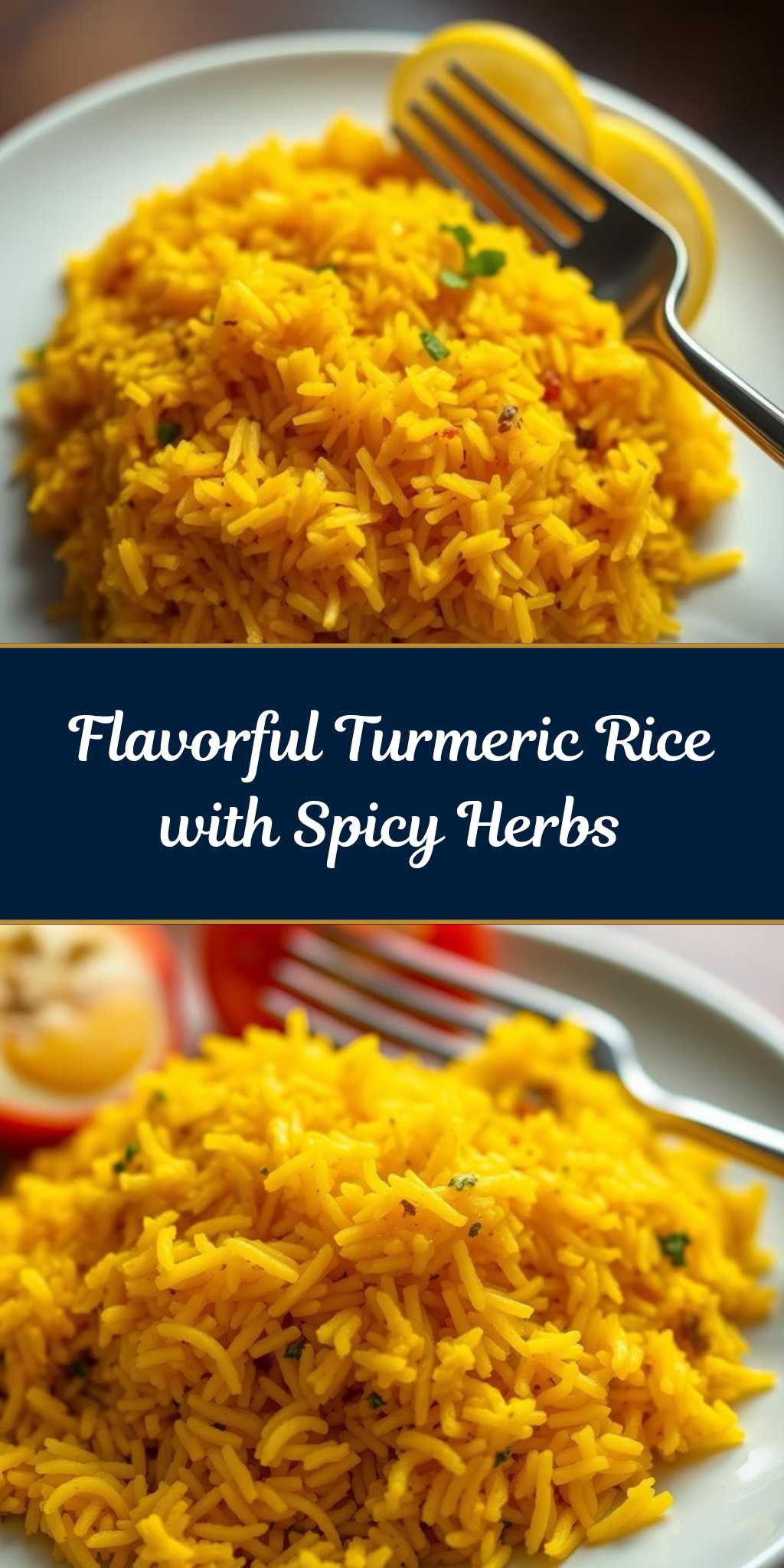
Need a flavorful weeknight dinner idea? Try this easy homemade turmeric rice recipe made with aromatic spices and simple cooking method, perfect as a quick family favorite, Save for later
Turmeric Rice
Introduction
Turmeric rice is a dish that embodies the perfect blend of ease, flavor, and creativity, all while utilizing everyday ingredients that are likely already stocked in your pantry. This vibrant and aromatic side dish is not only a feast for the eyes, with its bright yellow hue, but it’s also a treat for the taste buds, offering a subtle earthy flavor from the turmeric that complements a wide range of meals. Whether you’re looking to spice up a simple weeknight dinner or add a pop of color to your holiday spread, turmeric rice is an incredibly versatile option that can be tailored to suit any occasion. The best part? It requires minimal effort and time, making it an accessible delight for cooks of all skill levels.
Why This Works
- Flavor balance and ingredient accessibility: The beauty of turmeric rice lies in its simplicity. With just a few key ingredients, you can achieve a depth of flavor that’s both comforting and exciting. Plus, these ingredients are easily found in most grocery stores, making this dish highly accessible.
- Ease of preparation: One of the standout features of turmeric rice is how easy it is to prepare. From start to finish, you’re looking at a process that can be completed in under 30 minutes, which is perfect for busy home cooks who want a delicious meal without the fuss.
- Impressive results with minimal effort: Despite its simplicity, turmeric rice presents beautifully and tastes like a dish that’s been hours in the making. This makes it perfect for entertaining guests or special occasions when you want to make a good impression without breaking a sweat.
Key Ingredients
The main ingredients for turmeric rice include uncooked white or brown rice, turmeric powder, olive oil, onion, garlic, salt, and water or vegetable broth. For added flavor, you can also use saffron threads, grated ginger, or diced vegetables like carrots or peas. If you’re looking for practical substitutions, consider using coconut oil instead of olive oil for a different flavor profile, or substituting the onion with shallots for a sweeter taste. Additionally, if turmeric powder is not available, you can use freshly grated turmeric root, though be aware that the flavor and color intensity may vary.
Instructions
- Step 1: Begin by preparing your ingredients. Rinse the rice in a fine-mesh strainer until the water runs clear, then set it aside. Chop the onion and mince the garlic. If using, grate the ginger and dice any additional vegetables.
- Step 2: Heat the olive oil in a medium saucepan over medium heat. Add the chopped onion and cook until it’s translucent and starting to caramelize, which should take about 5 minutes. Add the minced garlic and grated ginger (if using) and cook for an additional minute, stirring constantly to prevent burning.
- Step 3: Add the turmeric powder to the saucepan and stir to combine with the onion and garlic mixture. Cook for about 1 minute, allowing the turmeric to bloom and release its flavors and aroma. Then, add the rinsed rice to the saucepan, stirring to coat the rice in the oil and mix with the turmeric and onion mixture. Cook for 2-3 minutes.
- Step 4: Add water or vegetable broth to the saucepan, bringing the mixture to a boil. Once boiling, reduce the heat to low, cover the saucepan with a tight-fitting lid, and simmer. For white rice, cook for about 15-20 minutes, and for brown rice, cook for about 40-45 minutes, or until the water is absorbed and the rice is tender. Turn off the heat and let the rice sit, covered, for 5 minutes before fluffing it with a fork and serving.
Handy Tips
- One of the most helpful kitchen advice for making turmeric rice is to use the right ratio of water to rice. Generally, for white rice, you’ll want to use a 1:1.5 ratio (1 cup of rice to 1.5 cups of water), and for brown rice, a 1:2 ratio. Adjusting this ratio can significantly affect the final texture of your rice.
- Avoid overmixing the rice while it’s cooking, as this can make it sticky and clumpy. Similarly, don’t lift the lid too often, as this can release steam and affect the cooking process.
- For an extra burst of flavor, consider adding a teaspoon of saffron threads soaked in hot water to the rice during the last 10 minutes of cooking. This will not only add a luxurious flavor but also a beautiful yellow-orange hue to your dish.
Heat Control
Heat control is crucial when making turmeric rice. The initial heating of the oil should be done over medium heat to prevent the garlic and onion from burning. Once the rice is added and the water or broth is poured in, bringing the mixture to a boil is essential before reducing the heat to a simmer. This two-step heat control ensures that the rice cooks evenly and that the flavors are well incorporated. The ideal temperature for simmering is low heat, and the timing will depend on the type of rice you’re using. For doneness, check that the water is fully absorbed and the rice is tender when fluffed with a fork.
Crunch Factor
Turmeric rice should be light and fluffy, with each grain separate from the others. To achieve this texture, it’s essential to not overcook the rice and to fluff it gently with a fork once it’s cooked. If you’re looking to add a crunch factor to your dish, consider topping the turmeric rice with toasted nuts or seeds, such as almonds or pumpkin seeds, or with crispy fried onions. These additions not only provide a satisfying crunch but also add depth and complexity to the dish.
Pro Kitchen Tricks
- One expert tip for making turmeric rice is to toast the turmeric powder in a dry pan for a minute before adding it to the dish. This enhances the flavor and aroma of the turmeric, giving your rice a more vibrant and intense taste.
- For a shortcut, use leftover cooked rice to make turmeric rice. Simply heat some oil in a pan, add diced onion and minced garlic, then the turmeric powder, and finally the cooked rice, stirring to combine and heat through. This method is not only quicker but also a great way to repurpose leftover rice.
- A cleanup hack is to wash your saucepan immediately after cooking, especially if you’ve used turmeric, as it can stain. Soaking the pan in warm soapy water can also help loosen any stuck-on rice.
Storage Tips
- Turmeric rice can be stored in the refrigerator for up to 3 days. Cool the rice to room temperature, then transfer it to an airtight container. Reheating can be done by adding a little water or broth to the rice and heating it in the microwave or on the stovetop until warmed through.
- For longer storage, turmeric rice can be frozen. Portion the cooled rice into freezer-safe bags or containers, making sure to press out as much air as possible before sealing. Frozen turmeric rice can be stored for up to 3 months. To reheat, simply thaw overnight in the refrigerator and then reheat as you would refrigerated rice.
- The best containers for storing turmeric rice are airtight, moisture-proof containers to keep the rice fresh and prevent drying out.
Gift Packaging Ideas
If you’re considering gifting turmeric rice, perhaps as part of a meal kit or care package, there are several creative ways to package it. You could fill decorative jars with the cooked and cooled rice, adding a sprinkle of turmeric powder on top for color and a few recipe cards or spices on the side for added value. Alternatively, you could wrap portions of the rice in parchment paper or aluminum foil, tying with twine and adding a gift tag with cooking instructions. For a more luxurious gift, consider pairing the turmeric rice with complementary spices, herbs, or sauces, and presenting them in a beautifully crafted wooden or woven basket.
Flavor Variations
- Different spices: Experiment with various spices to give your turmeric rice unique flavors. Cumin adds an earthy warmth, while coriander provides a slightly sweet and citrusy note. Paprika can add a smoky depth, and a pinch of cayenne pepper can introduce a touch of heat.
- Creative toppings: Turmeric rice is a versatile canvas for a variety of toppings. Consider adding toasted nuts or seeds for crunch, dried fruits for sweetness, or fresh herbs like parsley or cilantro for freshness. Grilled meats, roasted vegetables, or a dollop of yogurt can also elevate the dish.
- Ingredient swaps: For a vegan version, you might swap out traditional broth for a vegetable broth. To make the dish gluten-free, ensure that the broth and any added ingredients are gluten-free. You can also experiment with different types of rice, such as jasmine or basmati, for varied textures and flavors.
Troubleshooting
- Texture problems: If your turmeric rice turns out too sticky or clumpy, it may be due to overmixing or using too much water. On the other hand, if it’s too dry, you might not have used enough water or could have overheated it. Adjusting the water ratio and being gentle when fluffing the rice can help achieve the perfect texture.
- Ingredient replacements: If you’re missing an ingredient, there are often substitutes you can use. For example, if you don’t have turmeric powder, you could use a combination of ginger and paprika to achieve a similar warm, earthy flavor, though it won’t be an exact substitute.
- Over/undercooking signs: Undercooked rice will be hard and crunchy, while overcooked rice will be mushy and unappetizing. Checking the rice periodically during the cooking time and adjusting the heat as necessary can help you achieve perfectly cooked turmeric rice.
FAQs
- Can I freeze it? Yes, turmeric rice can be frozen for up to 3 months. It’s best to portion it out into airtight, freezer-safe containers or bags, making sure to remove as much air as possible before sealing.
- Is it gluten-free? Turmeric rice is naturally gluten-free, making it a great option for those with gluten intolerance or sensitivity. However, always ensure that any broth or additional ingredients used are also gluten-free.
- Can I double the recipe? Yes, you can easily double or triple the recipe for turmeric rice. Just remember to adjust the cooking time slightly, as larger quantities of rice may take a bit longer to cook through.
Conclusion
Making turmeric rice is a journey that’s as much about the process as it is about the end result. With its vibrant color, aromatic scent, and deliciously subtle flavor, this dish is sure to become a staple in your kitchen. Whether you’re a seasoned cook or just starting out, the versatility and simplicity of turmeric rice make it an excellent choice for any meal. Don’t be afraid to experiment with different spices, toppings, and ingredients to make the recipe your own, and enjoy the process of sharing this delightful dish with friends and family. As you explore the world of turmeric rice, remember that the true beauty of cooking lies not just in the recipes we follow, but in the love, creativity, and joy we bring to the table.