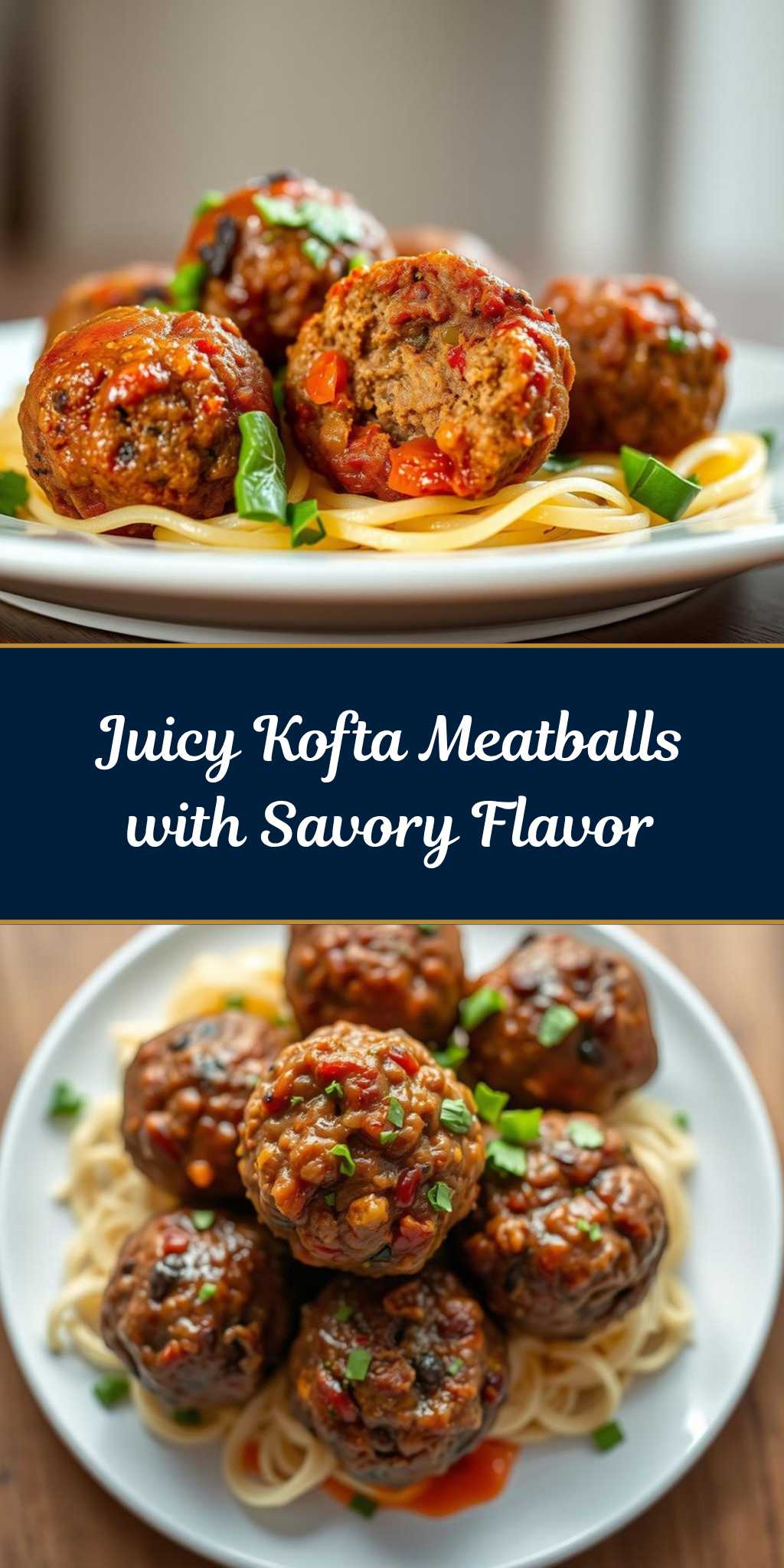
Craving a weeknight dinner solution? Try these easy kofta meatballs made with homemade beef and spices, perfect for a quick family favorite meal, save for later
Kofta Meatballs
Introduction
Imagine a dish that combines the warmth of Middle Eastern spices, the comfort of homemade meatballs, and the versatility of a recipe that can be served in countless ways. Kofta meatballs are more than just a meal; they’re an experience that brings people together. With their rich, aromatic flavors and ease of preparation, these meatballs are perfect for anyone looking to spice up their culinary routine. Whether you’re a seasoned chef or a beginner in the kitchen, this recipe is designed to be accessible, using everyday ingredients to create something truly special. The best part? It’s incredibly easy to make and can be customized to suit any taste or dietary preference, making it a great option for family dinners, parties, or even as a gift for friends and loved ones.
Why This Works
- Flavor balance and ingredient accessibility: The combination of spices and herbs in kofta meatballs creates a unique and captivating flavor profile that is both exotic and familiar. The ingredients are easily found in most supermarkets, making this dish accessible to anyone.
- Ease of preparation: Despite their complex flavor, kofta meatballs are surprisingly easy to prepare. The mixture of ground meat, spices, and herbs can be put together in minutes, and the cooking process is straightforward.
- Impressive results with minimal effort: One of the most appealing aspects of this recipe is the impressive results it yields with minimal effort. Whether you’re serving them as appetizers, main courses, or adding them to sandwiches, kofta meatballs are sure to impress your guests with their flavor and presentation.
Key Ingredients
The key to making great kofta meatballs lies in the balance of ingredients. You will need ground meat (beef, lamb, or a combination of the two works well), onions, garlic, fresh parsley, and a blend of spices that typically includes cumin, coriander, cinnamon, and paprika. For those looking for substitutions, ground turkey or chicken can be used as alternatives, and for a vegetarian version, grated vegetables like zucchini or carrots can be mixed with cheese or beans for a protein source. The use of breadcrumbs helps bind the mixture, while an egg adds moisture and richness. Practical substitutions can be made for almost any ingredient, allowing you to tailor the recipe to your dietary needs and preferences.
Instructions
- Step 1: Begin by finely chopping the onions, garlic, and parsley. In a large bowl, combine the ground meat, chopped onions, garlic, parsley, spices, salt, and pepper. Mix well with your hands or a wooden spoon until just combined. Be careful not to overmix.
- Step 2: Add the breadcrumbs and egg to the meat mixture. Mix again until the ingredients are fully incorporated. The mixture should be moist but still hold its shape when formed into balls.
- Step 3: Use your hands to shape the mixture into small meatballs, about 1.5 inches in diameter. You should end up with around 20-25 meatballs, depending on the size. Place the meatballs on a baking sheet lined with parchment paper.
- Step 4: Drizzle the meatballs with a little olive oil and gently roll them to coat evenly. At this stage, you can either bake them in a preheated oven at 400°F (200°C) for about 18-20 minutes, or cook them in a little oil on the stovetop until browned on all sides and cooked through. Serve hot, garnished with additional parsley and your choice of sides, such as couscous, rice, or in a sub sandwich.
Handy Tips
- When mixing the ingredients, be gentle to avoid compacting the meat, which can make the meatballs dense. Stop mixing as soon as the ingredients come together.
- For an extra crispy exterior, you can chill the formed meatballs in the refrigerator for 30 minutes before cooking. This helps them hold their shape and browns better.
- If you find the mixture too wet, add a bit more breadcrumbs. If it’s too dry, a little water or an additional egg can help bind it together.
Heat Control
Heat control is crucial when cooking kofta meatballs to ensure they are cooked through without being overcooked. If baking, a temperature of 400°F (200°C) is ideal, and they should be done in about 18-20 minutes. If cooking on the stovetop, medium heat is best, and you should cook them for about 5-7 minutes on each side, or until they reach an internal temperature of 160°F (71°C) for beef or lamb. Always check the internal temperature to ensure food safety.
Crunch Factor
The crunch factor in kofta meatballs can be achieved by cooking them correctly. A nicely browned exterior gives way to a juicy interior. To enhance the crunch, you can dust the meatballs with a bit of flour or breadcrumbs before cooking. For an extra crispy coating, dipping the meatballs in beaten eggs and then rolling them in breadcrumbs before frying or baking can add a delicious crunch.
Pro Kitchen Tricks
- One of the best tricks for making kofta meatballs is to not overwork the meat mixture. This helps keep the meatballs light and prevents them from becoming dense and heavy.
- Using a mixture of meats, such as beef and lamb, can add depth and complexity to the flavor of the meatballs.
- For a shortcut, you can prepare the meat mixture ahead of time and store it in the refrigerator for up to a day before forming and cooking the meatballs.
Storage Tips
- Leftover kofta meatballs can be stored in an airtight container in the refrigerator for up to 3 days. They can be reheated in the oven or microwave until hot and steaming.
- For longer storage, cooked and cooled meatballs can be frozen for up to 3 months. Simply place them on a baking sheet to freeze, then transfer them to a freezer-safe bag or container.
- When reheating frozen meatballs, it’s best to thaw them first overnight in the refrigerator, then reheat them as desired.
Gift Packaging Ideas
Kofta meatballs make a wonderful gift, especially when packaged thoughtfully. Consider placing cooked and cooled meatballs in a decorative jar or container, topped with a layer of your favorite sauce or marinade. Wrap the jar in a ribbon or decorative paper, and include a card with serving suggestions or the recipe itself. For a more rustic approach, place the meatballs in a paper cone or a small basket, perfect for a picnic or outdoor gathering.
Flavor Variations
- Different spices: Experiment with various spice blends, such as adding a bit of cayenne pepper for heat or using sumac for a tangy, Middle Eastern flavor.
- Creative toppings: Serve the meatballs with a variety of toppings, such as a dollop of yogurt, a sprinkle of sumac, or a side of tangy tahini sauce.
- Ingredient swaps: Try using different types of meat or adding grated vegetables to the mixture for added flavor and nutrition.
Troubleshooting
- Texture problems: If your meatballs turn out too dense, it may be because the mixture was overworked. Try to mix the ingredients just until they come together, then stop.
- Ingredient replacements: If you’re missing an ingredient, don’t be afraid to substitute. For example, if you don’t have parsley, cilantro or dill can work as alternatives.
- Over/undercooking signs: Always check the internal temperature of the meatballs to ensure they are cooked through. If they’re overcooked, they may dry out; if undercooked, they may not be safe to eat.
FAQs
- Can I freeze it? Yes, cooked and cooled kofta meatballs can be frozen for up to 3 months. Simply thaw and reheat when needed.
- Is it gluten-free? The recipe as given is gluten-free, but be sure to check the ingredients of any store-bought spices or sauces you might add.
- Can I double the recipe? Absolutely, this recipe can be easily doubled or tripled to feed a larger crowd. Just be sure to adjust the cooking time accordingly if baking a large batch.
Conclusion
Making kofta meatballs is a journey of discovery, not just a recipe to follow. It’s about exploring flavors, textures, and the joy of sharing meals with others. Whether you’re cooking for one or a crowd, this recipe offers a world of possibilities. Don’t be afraid to experiment, to try new spices, or to serve them in unique ways. The beauty of kofta meatballs lies in their versatility and the memories they help create. So go ahead, give this recipe a try, and watch as it becomes a staple in your kitchen, a dish that brings warmth and joy to all who taste it.