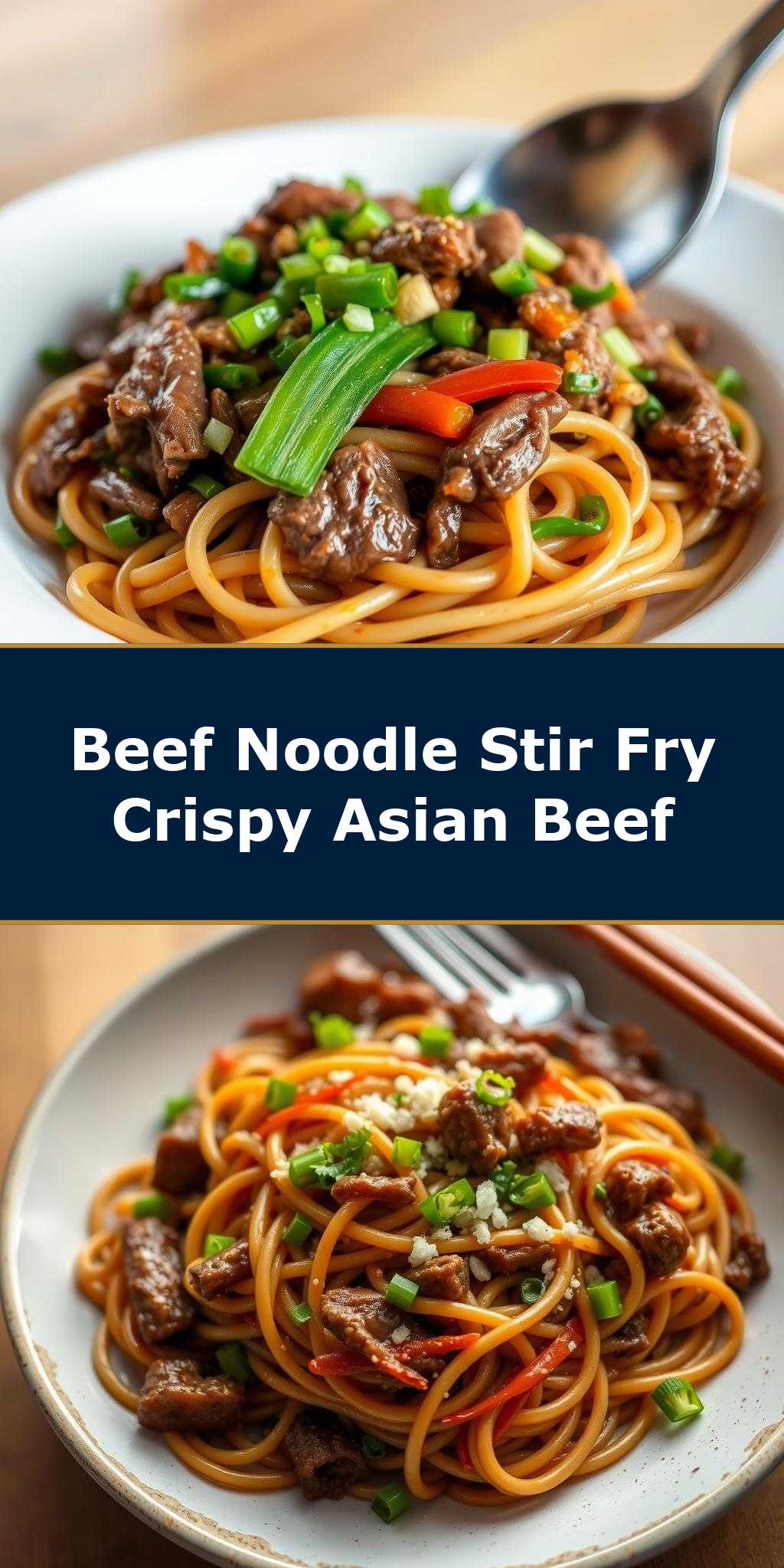
What makes a perfect weeknight dinner? For me, it’s a quick and easy homemade dish like Mongolian Beef Noodles, loaded with tender beef and stir-fried veggies in a savory sauce. Save this idea for a delicious family favorite that’s ready in no time, try it soon and enjoy a flavorful meal.
Mongolian Beef Noodles
Introduction
Mongolian Beef Noodles is a dish that embodies the perfect blend of ease, flavor, and creativity, all while being accessible to anyone with everyday ingredients. This recipe is a masterclass in balancing savory, sweet, and umami flavors, making it a standout in any culinary repertoire. The best part? It’s incredibly easy to make, requiring minimal effort for a dish that’s sure to impress both family and friends. Whether you’re a seasoned chef or a beginner in the kitchen, Mongolian Beef Noodles is a versatile and rewarding recipe that will keep you coming back for more.
Why This Works
- Flavor balance and ingredient accessibility: This recipe excels at combining flavors in a way that’s both authentic and approachable, using ingredients that are readily available in most supermarkets.
- Ease of preparation: With straightforward steps and minimal preparation time, Mongolian Beef Noodles is perfect for a quick dinner or a special occasion meal.
- Impressive results with minimal effort: The combination of tender beef, crunchy vegetables, and savory sauce over a bed of noodles makes for a visually appealing and satisfying meal that belies its simplicity.
Key Ingredients
The main ingredients in Mongolian Beef Noodles include sliced beef (preferably flank steak or ribeye), noodles (either rice noodles or egg noodles work well), a variety of colorful bell peppers, onions, garlic, ginger, soy sauce, hoisin sauce, and sesame oil. For practical substitutions, chicken can be used in place of beef, and different types of noodles can be experimented with for varying textures. Additionally, for those looking to reduce sodium, low-sodium soy sauce is a viable option.
Instructions
- Step 1: Begin by preparing your ingredients. Slice the beef into thin strips and season with a little salt. Chop the bell peppers and onion into bite-sized pieces. Mince the garlic and ginger.
- Step 2: Cook the noodles according to the package instructions and set aside. In a large skillet or wok, heat a couple of tablespoons of sesame oil over medium-high heat. Add the beef and cook until browned, about 3-4 minutes. Remove the beef from the skillet and set aside.
- Step 3: In the same skillet, add a bit more oil if necessary, then add the minced garlic and ginger. Cook for about 1 minute until fragrant. Add the chopped bell peppers and onions and cook until they start to soften. Add the cooked beef back into the skillet, along with soy sauce and hoisin sauce. Stir everything together to combine, ensuring the beef and vegetables are well coated with the sauce.
- Step 4: To finish, add the cooked noodles to the skillet and toss everything together, ensuring the noodles are well coated with the savory sauce. Serve hot, garnished with green onions and sesame seeds if desired.
Handy Tips
- For the best results, use high-quality ingredients, especially the beef and the sauces, as they form the backbone of the dish’s flavor.
- Avoid overcooking the beef and noodles, as this can lead to a tough, unappetizing texture.
- Customize the dish to your taste by adding your favorite vegetables or spices. Mongolian Beef Noodles is highly versatile and can accommodate a variety of flavors and textures.
Heat Control
Heat control is crucial in this recipe, especially when cooking the beef and the sauce. Ideally, you want to cook over medium-high heat to achieve a nice sear on the beef and to quickly cook the vegetables without making them mushy. When combining everything with the sauce, reduce the heat to medium to prevent the sauce from burning or sticking to the pan. The goal is to have a smooth, velvety sauce that coats all the ingredients evenly.
Crunch Factor
Achieving the right crunch factor in Mongolian Beef Noodles is about balancing textures. The beef should be tender but still retain some chew, the vegetables should be crisp but not raw, and the noodles should be cooked but still have a bit of bite. To enhance the crunch, you can add some toasted sesame seeds or chopped nuts on top of the dish before serving.
Pro Kitchen Tricks
- Use a wok if you have one, as it distributes heat evenly and can cook ingredients quickly without steaming them, which helps retain their crunch and color.
- Prepare all your ingredients before starting to cook, a technique known as “mise en place.” This ensures that once you start cooking, you can focus on the technique and the timing without worrying about chopping or measuring ingredients.
- Don’t overcrowd the skillet or wok. Cook the beef and vegetables in batches if necessary, to ensure they have enough room to cook evenly and quickly.
Storage Tips
- Leftovers can be stored in the refrigerator for up to 3 days. Reheat gently in a pan or in the microwave until warmed through.
- For longer storage, consider freezing the dish before adding the noodles. Frozen Mongolian beef mixture can be stored for up to 3 months. Simply thaw and cook the noodles, then combine with the thawed beef mixture and heat through.
- Use airtight containers to store leftovers to prevent drying out and to keep flavors fresh.
Gift Packaging Ideas
While Mongolian Beef Noodles is primarily a dish for immediate consumption, components of it can be gifted. For example, a jar of homemade hoisin sauce or a packet of specialty noodles can be beautifully packaged in decorative jars or bags and given as a culinary gift. Add a ribbon and a recipe card for a complete gift.
Flavor Variations
- Different spices: Consider adding a pinch of cumin for a smoky flavor or some red pepper flakes for an extra kick of heat.
- Creative toppings: Add some diced green onions, toasted sesame seeds, or sliced almonds on top of the noodles for added texture and flavor.
- Ingredient swaps: Use chicken or pork instead of beef, or add some mushrooms for an earthy flavor. Experimenting with different proteins and vegetables can yield a wide range of flavor variations.
Troubleshooting
- Texture problems: If the beef is too tough, it may have been overcooked. Try cooking it for less time or slicing it thinner. If the noodles are mushy, they were likely overcooked; aim for a firmer texture.
- Ingredient replacements: If you can’t find a specific ingredient, don’t hesitate to substitute with something similar. For example, if hoisin sauce is not available, a combination of soy sauce and honey can provide a similar sweet and savory flavor profile.
- Over/undercooking signs: Keep an eye on the color and texture of the ingredients. Beef should be browned but still juicy, vegetables should be tender but crisp, and noodles should be cooked but not mushy.
FAQs
- Can I freeze it? Yes, you can freeze the beef and vegetable mixture before adding the noodles. Simply thaw and reheat when ready.
- Is it gluten-free? This depends on the sauces used. Traditional hoisin sauce and soy sauce contain gluten, but there are gluten-free alternatives available.
- Can I double the recipe? Absolutely, this recipe scales well. Just ensure you have a large enough skillet or wok to cook all the ingredients without overcrowding.
Conclusion
Mongolian Beef Noodles is a versatile, flavorful, and surprisingly easy dish to make, perfect for anyone looking to spice up their meal routine. With its balance of savory, sweet, and umami flavors, coupled with the satisfying crunch of vegetables and the tender bite of beef, this recipe is sure to become a favorite. Don’t be afraid to experiment and make it your own, and remember, the key to a great Mongolian Beef Noodles dish is in the balance of flavors and textures. So go ahead, give it a try, and enjoy the culinary journey!