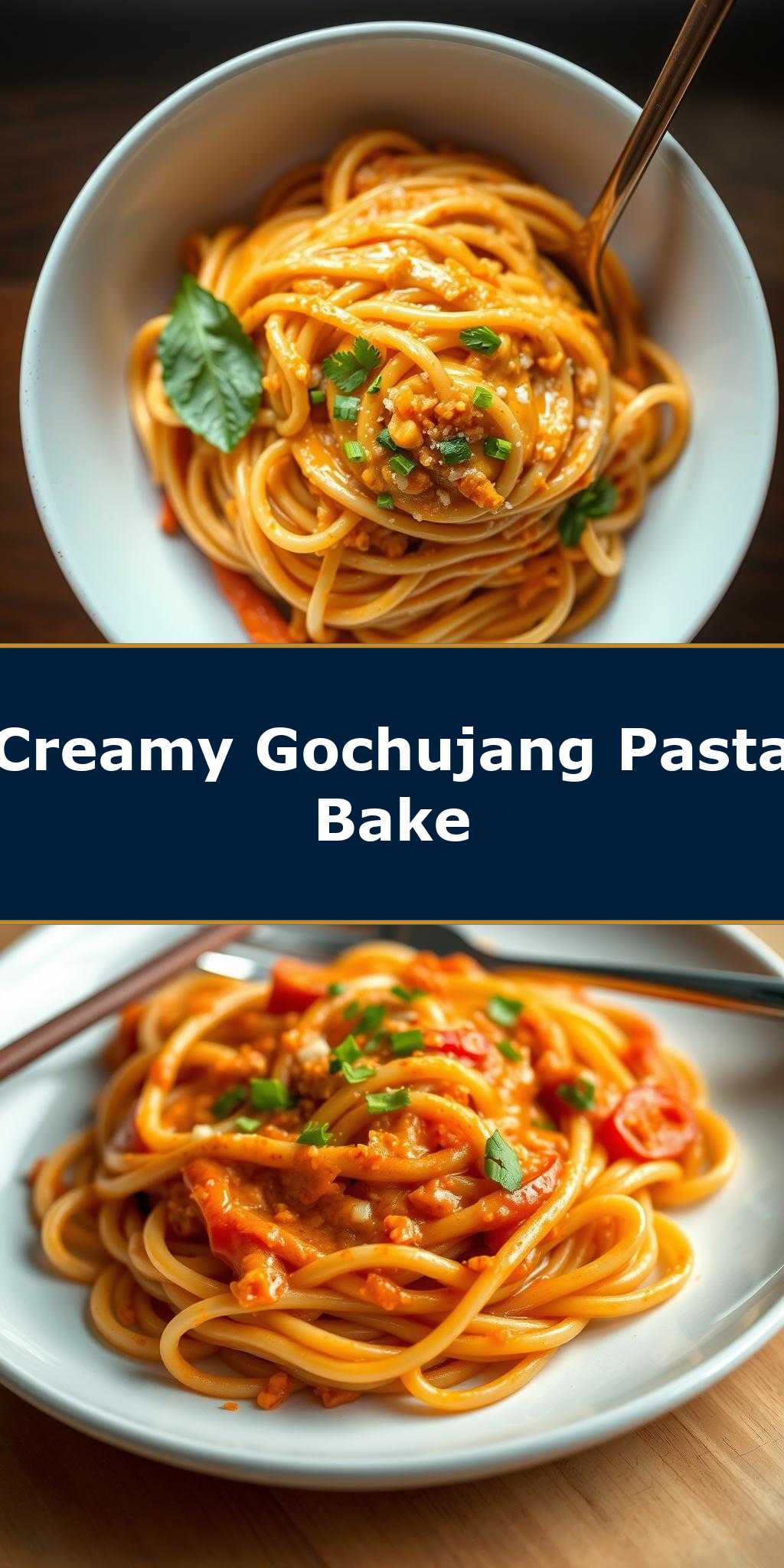
What’s the secret to a weeknight dinner that’s both easy and impressive? This creamy gochujang pasta is a game changer, made with a rich and spicy sauce, tender noodles, and a homemade touch that makes all the difference. With gochujang paste as the star ingredient, you can whip up this family favorite in no time. Save this idea for a quick and delicious meal to enjoy any night of the week.
Creamy Gochujang Pasta
Introduction
Imagine a dish that combines the spicy, savory depth of gochujang with the comforting warmth of a creamy pasta, all made easily with everyday ingredients. This Creamy Gochujang Pasta is a culinary masterpiece that brings together the best of Korean chili paste and Italian tradition, creating a unique flavor profile that’s both bold and familiar. It’s a recipe that celebrates creativity in the kitchen, encouraging you to experiment with new flavors while relying on the simplicity of pasta as a base. Whether you’re a seasoned foodie or a novice cook, this dish promises to delight your senses and leave you wanting more.
Why This Works
- Flavor balance and ingredient accessibility: The combination of gochujang, garlic, ginger, and heavy cream creates a perfectly balanced sauce that’s both spicy and rich, without being overwhelming. Plus, the ingredients are easily found in most supermarkets or online.
- Ease of preparation: Despite its sophisticated taste, this pasta dish is surprisingly easy to prepare. It requires minimal steps and can be ready in under 30 minutes, making it perfect for a weeknight dinner or a quick weekend meal.
- Impressive results with minimal effort: The creamy gochujang sauce has a luxurious feel to it, making this dish perfect for special occasions or when you want to impress your guests without spending hours in the kitchen.
Key Ingredients
The foundation of this recipe lies in its key ingredients: gochujang (Korean chili paste), pasta of your choice (though shorter shapes like penne or rigatoni work best), garlic, ginger, heavy cream, soy sauce, brown sugar, and sesame oil. For protein, you can use chicken, shrimp, or keep it vegetarian with mushrooms or tofu. Practical substitutions can be made with similar chili pastes if gochujang is not available, and you can adjust the level of spiciness to your liking. The beauty of this recipe is its flexibility, allowing you to experiment with different combinations to find your perfect balance of flavors.
Instructions
- Step 1: Begin by preparing your ingredients. Chop the garlic and ginger finely, and slice any protein you’re using into bite-sized pieces. Measure out the gochujang, soy sauce, brown sugar, and sesame oil. Bring a large pot of salted water to a boil and cook your pasta according to the package instructions until it’s al dente. Reserve 1 cup of pasta water before draining.
- Step 2: In a large skillet, heat a couple of tablespoons of sesame oil over medium heat. Add the chopped garlic and ginger and sauté until fragrant, being careful not to burn them. Add your protein and cook until it’s fully cooked, then set it aside.
- Step 3: In the same skillet, add more sesame oil if necessary, then pour in the gochujang, soy sauce, and brown sugar. Whisk until the sugar dissolves, and then add the heavy cream. Bring the mixture to a simmer and let it cook for a few minutes until it thickens slightly, stirring occasionally. Season with salt and pepper to taste.
- Step 4: Add the cooked pasta to the skillet with the gochujang sauce, tossing everything together until the pasta is well coated. If the sauce seems too thick, add a bit of the reserved pasta water. Finally, add back the cooked protein and any additional toppings you like (such as green onions, sesame seeds, or diced bell peppers), and serve hot.
Handy Tips
- When working with gochujang, start with a small amount and taste as you go, adjusting the heat level to your comfort. You can always add more gochujang, but it’s harder to remove the heat once it’s added.
- Don’t overcook the pasta. Al dente texture provides the best base for the creamy sauce.
- Experiment with different proteins and vegetables to keep the dish interesting and tailored to your dietary preferences.
Heat Control
Controlling the heat is crucial when cooking with gochujang to prevent the sauce from becoming too spicy or the ingredients from burning. Keep the skillet over medium heat, especially when simmering the sauce, to ensure a gentle reduction and thickening. If you notice the sauce starting to stick or the ingredients browning too quickly, reduce the heat and add a bit more cream or pasta water to adjust the consistency and prevent burning.
Crunch Factor
A nice crunch can elevate the texture of this dish. Consider adding toasted sesame seeds, chopped nuts, or even crispy garlic on top of the pasta before serving. This contrast in texture adds depth and interest to each bite, making the dish more engaging and satisfying.
Pro Kitchen Tricks
- For an extra creamy sauce, add a tablespoon or two of grated Parmesan cheese. The umami flavor will enhance the gochujang, and the cheese will help thicken the sauce.
- Use a high-quality gochujang for the best flavor. Different brands can have varying levels of spiciness and depth, so it might take some trial and error to find the one you like best.
- Clean as you go to avoid a big mess at the end. This dish involves several components, but keeping your workspace tidy will make the cooking process more enjoyable and less stressful.
Storage Tips
- Leftovers can be stored in an airtight container in the refrigerator for up to 3 days. Reheat gently over low heat, adding a bit of water or cream if the sauce has thickened too much.
- Freezing is not recommended for this dish, as the cream can separate and the texture may become unappealing upon reheating.
- Use glass or microwave-safe containers to store and reheat leftovers, as they are safer and more environmentally friendly than plastic.
Gift Packaging Ideas
While this dish is best consumed fresh, components of it can be gifted, such as homemade gochujang sauce or spice blends. Consider packaging these in decorative jars or bags, tied with a ribbon and accompanied by a recipe card for a thoughtful and unique gift. For a more substantial gift, prepare the components of the dish (like cooked pasta or protein) and package them in a gift basket with instructions on how to assemble the final dish.
Flavor Variations
- Different spices: Experiment with adding Korean chili flakes (gochugaru) for extra heat, or using Chinese five-spice for a warmer, more aromatic flavor.
- Creative toppings: Add some color and freshness with diced tomatoes, spinach, or sliced green onions. For extra crunch, sprinkle toasted peanuts or cashews on top.
- Ingredient swaps: Use vegan cream or coconut cream for a dairy-free version, or substitute the pasta with zucchini noodles for a low-carb option.
Troubleshooting
- Texture problems: If the sauce becomes too thick, add a bit of pasta water or cream. If it’s too thin, simmer it for a few more minutes or add a spoonful of cornstarch mixed with water to thicken.
- Ingredient replacements: If you can’t find gochujang, look for similar chili pastes or make your own by blending Korean chili flakes with soy sauce, brown sugar, garlic, and ginger.
- Over/undercooking signs: Pasta should be al dente, still having a bit of bite. If it’s overcooked, it will be mushy. Protein should be cooked through but not tough or dry.
FAQs
- Can I freeze it? It’s not recommended to freeze this dish due to the cream separating and potential texture changes upon reheating.
- Is it gluten-free? Depending on the pasta and soy sauce used, this dish can be gluten-free. Ensure that your ingredients are gluten-free to accommodate dietary restrictions.
- Can I double the recipe? Yes, you can easily double or triple the recipe for larger gatherings. Just be sure to adjust the cooking time slightly for the protein and sauce.
Conclusion
This Creamy Gochujang Pasta is a testament to the magic that happens when different culinary traditions come together. It’s a dish that’s both adventurous and comforting, perfect for anyone looking to spice up their meal routine. Don’t be afraid to experiment and make this recipe your own, and remember, the key to a great dish is not just the ingredients, but the love and care you put into preparing it. Share your creations, and enjoy the journey of culinary discovery that this recipe inspires.