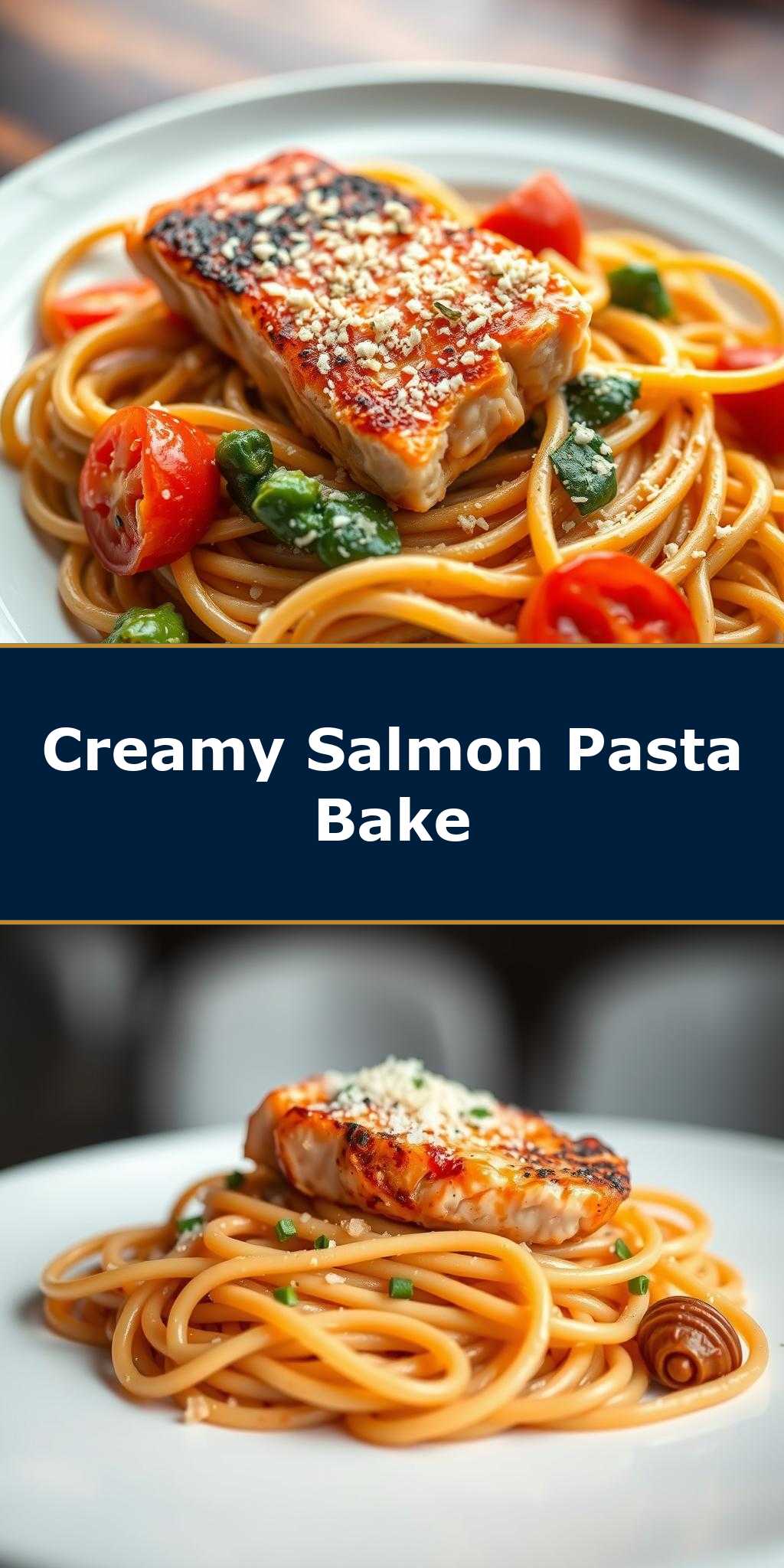
What makes a perfect weeknight dinner? A quick and easy homemade dish like salmon pasta, loaded with tender salmon and fresh parsley, is a great choice for a family favorite meal. Try cooking pasta with garlic for added flavor. Save this idea for a deliciously simple meal to make tonight.
Salmon Pasta
Introduction
Imagine a dish that combines the tender flavor of salmon, the comfort of pasta, and the vibrancy of fresh herbs, all coming together in a recipe that’s as easy to make as it is impressive to serve. Welcome to the world of Salmon Pasta, where creativity meets simplicity, and the result is a culinary masterpiece that will delight both your taste buds and your dinner guests. This recipe is all about embracing the beauty of everyday ingredients and turning them into something extraordinary. With its perfect balance of flavors, ease of preparation, and the versatility to adapt to any occasion, Salmon Pasta is sure to become a staple in your kitchen.
Why This Works
- Flavor balance and ingredient accessibility: The combination of salmon, garlic, lemon, and herbs creates a symphony of flavors that are both refined and approachable. Plus, these ingredients are readily available in most supermarkets, making this dish accessible to anyone.
- Ease of preparation: Despite its sophisticated taste, Salmon Pasta is incredibly easy to prepare. It requires minimal cooking skills and can be ready in under 30 minutes, perfect for a quick dinner or a special occasion.
- Impressive results with minimal effort: The presentation of Salmon Pasta, with its beautifully cooked salmon fillet atop a bed of linguine, tossed in a zesty lemon butter sauce, is sure to impress. Yet, it requires minimal effort, making it a go-to recipe for both beginners and experienced cooks.
Key Ingredients
The magic of Salmon Pasta lies in its ingredients. You’ll need 12 oz of linguine, 4 salmon fillets (6 oz each), 2 cloves of garlic, 1/4 cup of freshly squeezed lemon juice, 1/2 cup of white wine, 1/4 cup of chopped fresh parsley, 2 tbsp of olive oil, salt, and pepper. For the sauce, 2 tbsp of unsalted butter and 1 cup of grated Parmesan cheese are essential. Practical substitutions include using other types of pasta like fettuccine or spaghetti, and for a lighter option, reducing the amount of butter and cheese. Fresh dill can also be used instead of parsley for a different herbal note.
Instructions
- Step 1: Begin by preparing your ingredients. Chop the parsley, mince the garlic, and squeeze the lemon juice. Bring a large pot of salted water to a boil and cook the linguine according to the package instructions until it’s al dente. Reserve 1 cup of pasta water before draining the linguine.
- Step 2: Cook the salmon. Season the salmon fillets with salt and pepper. In a large skillet, heat 1 tbsp of olive oil over medium-high heat. Add the salmon, skin side up (if they have skin), and cook for 3-4 minutes on each side, or until cooked through. Remove the salmon from the skillet and set aside.
- Step 3: Make the lemon butter sauce. In the same skillet, reduce the heat to medium and add the remaining 1 tbsp of olive oil. Add the minced garlic and cook for 1 minute, until fragrant. Add the white wine and cook until the liquid is almost completely reduced, scraping the bottom of the pan to release all the flavors. Add the lemon juice and cook for another minute. Then, add the butter, stirring constantly until it melts and the sauce is smooth. Remove from heat and stir in the Parmesan cheese until melted and well combined. Season with salt and pepper to taste.
- Step 4: Combine the pasta, sauce, and salmon. Add the cooked linguine to the skillet with the lemon butter sauce, tossing to combine, adding some reserved pasta water if the sauce seems too thick. To serve, place a salmon fillet on top of the pasta and garnish with chopped parsley.
Handy Tips
- For a more intense flavor, marinate the salmon in a mixture of lemon juice, olive oil, and herbs for 30 minutes before cooking.
- Don’t overcook the salmon. It should flake easily with a fork but still retain its moisture.
- If using frozen salmon, make sure it’s thawed and patted dry before cooking to remove excess moisture.
Heat Control
Heat control is crucial when cooking Salmon Pasta. For the salmon, medium-high heat is ideal for searing, but make sure to adjust the heat to prevent burning. For the sauce, medium heat allows for a gentle simmer, which helps in reducing the liquid and melding the flavors together. Always check for doneness by flaking the salmon with a fork; it should flake easily but still look moist.
Crunch Factor
The crunch factor in Salmon Pasta comes from the toasted parsley and the slight crispiness of the salmon’s exterior, contrasted with the tender interior. To enhance this, you can sprinkle some toasted breadcrumbs on top of the salmon before serving. Achieving the right texture is about balance – you want your salmon to be tender, your pasta to be al dente, and your sauce to be smooth and creamy.
Pro Kitchen Tricks
- Use high-quality ingredients. Fresh salmon and real Parmesan cheese make a significant difference in the flavor and texture of the dish.
- Don’t overcook the pasta. Al dente pasta holds the sauce better and provides a nicer texture contrast.
- For an extra creamy sauce, add a tablespoon of heavy cream or Greek yogurt towards the end of cooking the sauce.
Storage Tips
- Leftover Salmon Pasta can be stored in the refrigerator for up to 2 days. Reheat gently in the microwave or on the stovetop, adding a bit of pasta water if the sauce has thickened.
- It’s best to store the cooked salmon and pasta separately to prevent the salmon from becoming soggy.
- Avoid freezing cooked salmon as it can become dry. However, you can freeze the cooked pasta and sauce for up to a month.
Gift Packaging Ideas
While Salmon Pasta is typically a dish to enjoy immediately, elements of it can be gifted. For instance, a jar of homemade lemon butter sauce, decorated with a ribbon and a sprinkle of parsley, can be a lovely gift for any food enthusiast. Similarly, a beautifully packaged box of artisanal pasta or a wedge of high-quality Parmesan cheese can be a thoughtful present.
Flavor Variations
- Different spices: Add some red pepper flakes for a spicy kick or some dried thyme for an earthy note.
- Creative toppings: Top your Salmon Pasta with toasted pine nuts, cherry tomatoes, or sautéed spinach for added texture and flavor.
- Ingredient swaps: Use shrimp or scallops instead of salmon for a different seafood twist, or substitute the white wine with chicken broth for a lighter flavor.
Troubleshooting
- Texture problems: If your salmon is too dry, it might have been overcooked. If your pasta is mushy, it was probably overcooked as well.
- Ingredient replacements: If you don’t have lemon juice, you can use lime or orange juice as a substitute, though the flavor will be slightly different.
- Over/undercooking signs: Check your salmon for flakiness and your pasta for the al dente texture. Adjust your cooking time accordingly for future preparations.
FAQs
- Can I freeze it? It’s not recommended to freeze cooked salmon, but you can freeze the pasta and sauce for later use.
- Is it gluten-free? Depending on the type of pasta used, Salmon Pasta can be gluten-free. Look for gluten-free pasta options.
- Can I double the recipe? Yes, you can easily double or triple the recipe for a larger crowd. Just adjust the cooking time slightly for the salmon and ensure you have enough sauce for all the pasta.
Conclusion
Salmon Pasta is a versatile, delicious, and surprisingly easy dish to make. With its balance of flavors, tender salmon, and perfectly cooked pasta, it’s sure to become a favorite. Whether you’re a seasoned chef or a beginner in the kitchen, this recipe offers a lot of room for creativity and adaptation. So, don’t be afraid to experiment with different ingredients and flavors, and most importantly, enjoy the process of creating a truly special meal. Share your Salmon Pasta with friends and family, and watch how it brings everyone together with its warmth and flavor.