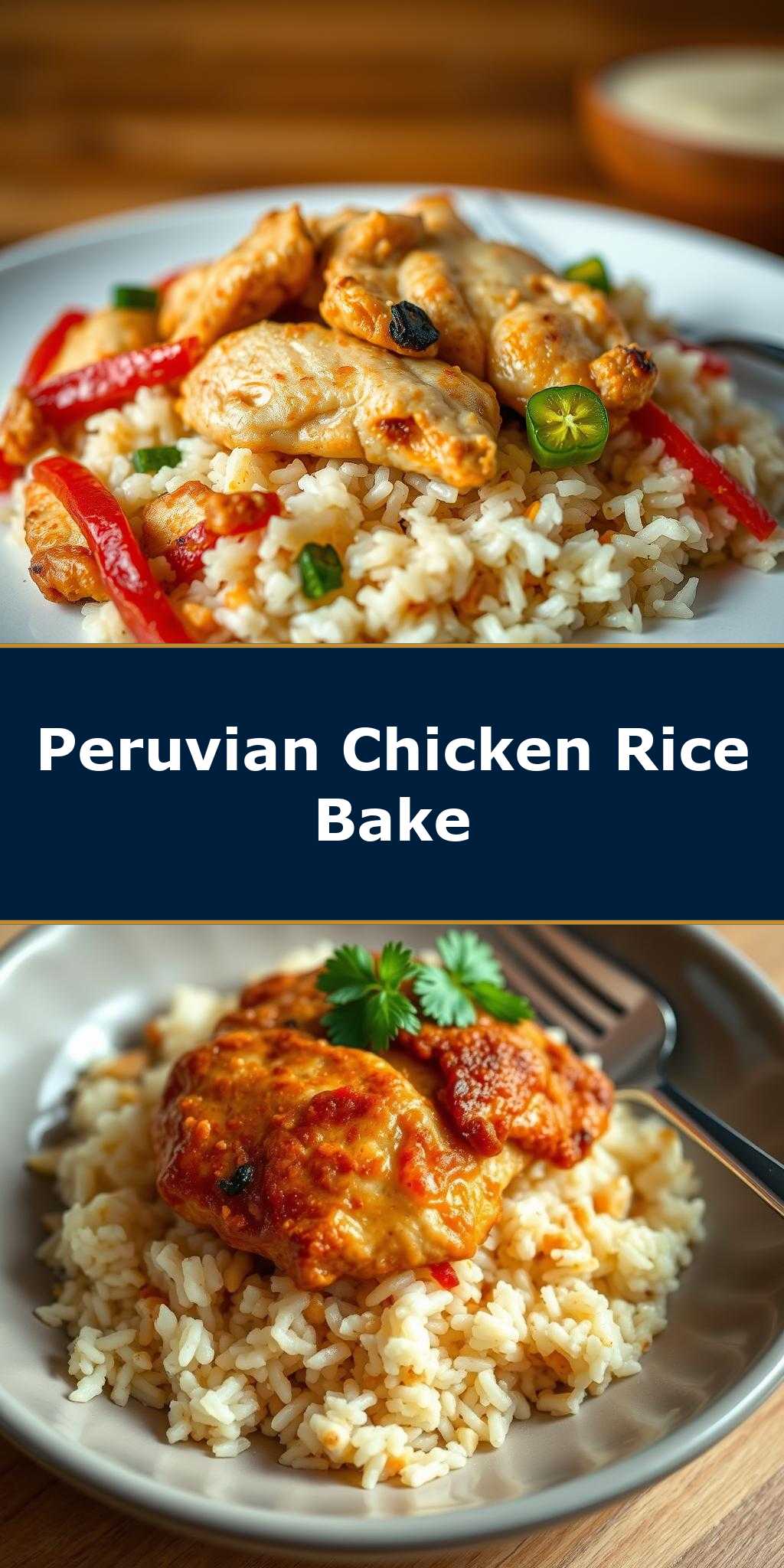
What sets Peruvian cuisine apart from other Latin American flavors? This Peruvian chicken and rice recipe is a quick and easy weeknight dinner solution, loaded with juicy chicken, fresh cilantro, and aromatic spices. Save this idea for a homemade family favorite meal that’s sure to please everyone, try it soon and enjoy the bold flavors of Peru.
Peruvian Chicken and Rice Recipe
Introduction
This Peruvian Chicken and Rice Recipe is a vibrant and flavorful dish that combines the simplicity of everyday ingredients with the boldness of Peruvian cuisine. It’s a recipe that’s perfect for a weeknight dinner or a special occasion, as it’s both easy to make and impressive in its presentation. The combination of juicy chicken, aromatic spices, and fluffy rice, all infused with the brightness of citrus and the depth of aji amarillo peppers, will transport your taste buds to the heart of Peru. What’s more, this recipe encourages creativity, allowing you to experiment with different spices and toppings to make it your own.
Why This Works
- Flavor balance and ingredient accessibility: This recipe strikes a perfect balance between flavors, from the tanginess of the lime to the smokiness of the aji amarillo peppers, all while using ingredients that are readily available in most supermarkets.
- Ease of preparation: Despite its complex flavor profile, this dish is surprisingly easy to prepare. It requires minimal prep time and can be cooked in under 30 minutes, making it a great option for busy evenings.
- Impressive results with minimal effort: The presentation of this dish, with its colorful peppers and fresh cilantro, is sure to impress. Yet, it requires very little effort to achieve such a stunning look, making it perfect for entertaining guests.
Key Ingredients
The main ingredients in this Peruvian Chicken and Rice Recipe include chicken breasts, aji amarillo peppers, garlic, ginger, lime juice, olive oil, and aromatic spices (cumin, paprika, salt, and pepper). For the rice, you’ll need uncooked white or brown rice, chicken broth, and a bit of saffron for that authentic Peruvian flavor. Practical substitutions can be made for aji amarillo peppers, such as using jalapeño or serrano peppers, though the flavor will be slightly different. Fresh cilantro is also a key ingredient for garnish, adding a burst of freshness to the dish.
Instructions
- Step 1: Begin by preparing your ingredients. Chop the onions, bell peppers, and cilantro. Mince the garlic and ginger. If using whole aji amarillo peppers, roast them in the oven until the skin is blistered, then peel and chop them. Measure out your spices and rice.
- Step 2: Cook the rice according to the package instructions using chicken broth instead of water for added flavor. In a large skillet, heat the olive oil over medium heat. Add the chopped onions and sauté until they’re translucent. Then, add the minced garlic and ginger and cook for another minute, stirring constantly to prevent burning.
- Step 3: Add the chicken to the skillet and cook until it’s browned on all sides and cooked through. Remove the chicken from the skillet and set it aside. In the same skillet, add the sliced bell peppers and cook until they’re tender. Add the chopped aji amarillo peppers, cumin, paprika, salt, and pepper, and stir well to combine.
- Step 4: To finish the dish, add the cooked chicken back into the skillet with the pepper mixture and stir in the lime juice. Serve the chicken over the cooked rice, garnished with chopped cilantro and any additional toppings you prefer, such as diced tomatoes or avocado slices.
Handy Tips
- When working with aji amarillo peppers, wear gloves to protect your skin from the oils in the peppers, which can cause irritation. If you can’t find aji amarillo peppers, you can substitute them with a combination of jalapeño for heat and a bit of yellow bell pepper for the color and slight sweetness.
- For the best flavor, use fresh ingredients whenever possible, especially the cilantro and lime juice. However, in a pinch, dried cilantro or bottled lime juice can be used, though the flavor won’t be as vibrant.
- Avoid overcooking the chicken and rice, as this can make the dish dry and unappetizing. Cook the chicken until it reaches an internal temperature of 165°F, and fluff the rice with a fork as soon as it’s cooked to prevent it from becoming mushy.
Heat Control
Heat control is crucial in this recipe, especially when cooking the chicken and the rice. For the chicken, cook it over medium heat to prevent the outside from burning before the inside is fully cooked. For the rice, use a medium-low heat to simmer the broth and prevent it from boiling over. The ideal internal temperature for cooked chicken is 165°F. Signs of doneness include the chicken feeling firm to the touch and the juices running clear when cut.
Crunch Factor
The crunch factor in this dish comes from the fresh cilantro and any additional toppings you might choose, such as diced bell peppers or crispy plantains. To achieve the perfect crunch, chop your toppings just before serving to prevent them from losing their crispness. For an extra crunchy element, you can also top the dish with toasted peanuts or cashews.
Pro Kitchen Tricks
- Marinate the chicken in a mixture of lime juice, garlic, and spices for at least 30 minutes before cooking to enhance the flavor and tenderize the meat.
- Use a rice cooker for perfectly cooked rice every time. If you don’t have a rice cooker, you can also cook the rice in the oven with the chicken broth and a bit of olive oil for added flavor and texture.
- For easier cleanup, line your skillet with parchment paper before cooking the chicken and peppers. This will prevent food from sticking and make washing the skillet much easier.
Storage Tips
- Leftover chicken and rice can be stored in the refrigerator for up to 3 days. Reheat the dish in the microwave or oven until the chicken is heated through and the rice is fluffy again.
- For longer storage, freeze the cooked chicken and rice in airtight containers or freezer bags. Frozen leftovers can be stored for up to 3 months. When reheating from frozen, make sure the chicken reaches an internal temperature of 165°F to ensure food safety.
- The best containers for storing this dish are airtight glass or plastic containers. Avoid using metal containers, as the acidity in the lime juice can react with the metal and give the dish an unpleasant flavor.
Gift Packaging Ideas
This Peruvian Chicken and Rice Recipe makes a wonderful gift, especially when packaged in a thoughtful and visually appealing way. Consider placing the cooked chicken and rice in a decorative glass or ceramic container, topped with fresh cilantro and a slice of lime. You can also include a side of spicy aji amarillo sauce or a simple green salad for a complete meal. Wrap the container in a colorful towel or cloth, and add a ribbon or a gift tag with the recipe and cooking instructions for a personal touch.
Flavor Variations
- Different spices: Experiment with different spice blends, such as adding a bit of cayenne pepper for extra heat or using smoked paprika for a deeper flavor.
- Creative toppings: Try different toppings such as diced mango, pickled onions, or crispy bacon to add texture and flavor contrast to the dish.
- Ingredient swaps: Swap the chicken with shrimp or tofu for a vegetarian or vegan version of the recipe. You can also use different types of rice, such as jasmine or basmati, for a unique flavor and texture.
Troubleshooting
- Texture problems: If the rice is too mushy, it may have been overcooked. Try reducing the cooking time or using less water. If the chicken is too dry, it may have been overcooked as well. Try cooking it for less time or using a meat thermometer to ensure it reaches a safe internal temperature.
- Ingredient replacements: If you can’t find aji amarillo peppers, you can substitute them with jalapeño or serrano peppers. If you’re out of lime juice, you can use lemon juice, though the flavor will be slightly different.
- Over/undercooking signs: Signs of overcooking include dry, tough chicken and mushy rice. Signs of undercooking include pink or raw chicken and crunchy, uncooked rice. Always check the internal temperature of the chicken and the texture of the rice to ensure they’re cooked to perfection.
FAQs
- Can I freeze it? Yes, you can freeze the cooked chicken and rice for up to 3 months. When reheating, make sure the chicken reaches an internal temperature of 165°F to ensure food safety.
- Is it gluten-free? This recipe is naturally gluten-free, making it a great option for those with gluten intolerance or sensitivity. However, always check the ingredients of your spices and chicken broth to ensure they are gluten-free.
- Can I double the recipe? Yes, you can easily double or triple this recipe to feed a larger crowd. Just remember to adjust the cooking time accordingly, especially when cooking the chicken and rice.
Conclusion
This Peruvian Chicken and Rice Recipe is a flavorful and easy-to-make dish that’s perfect for anyone looking to add a bit of international flair to their meal routine. With its balanced flavors, vibrant colors, and versatility, it’s a recipe that’s sure to become a favorite. Don’t be afraid to experiment with different spices and toppings to make it your own, and enjoy the process of cooking and sharing this delicious meal with others. Whether you’re a seasoned chef or a beginner in the kitchen, this recipe is a great way to explore the bold and aromatic world of Peruvian cuisine.