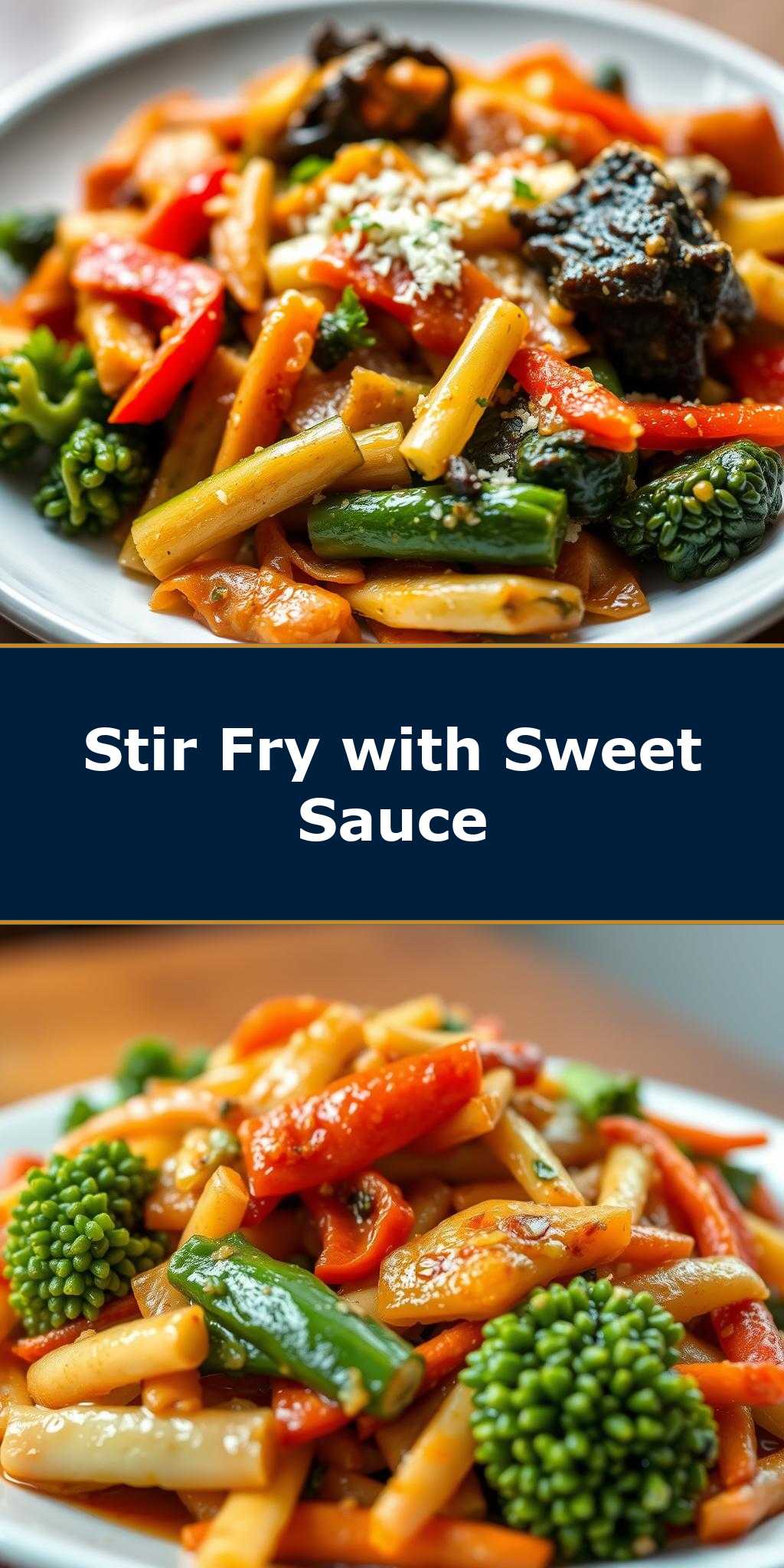
What if you could whip up a delicious weeknight dinner in no time with quick and easy homemade sauces? Try pairing your favorite protein with roasted vegetables and a savory stir fry sauce made with fresh ginger and garlic for a family favorite meal. Save this idea for a healthy and easy dinner solution.
Healthy Stir Fry Recipes with Homemade Sauces
Introduction
Stir-fry recipes are a staple of many cuisines around the world, offering an unbeatable combination of ease, flavor, and creativity. With just a few everyday ingredients, you can whip up a dish that’s not only delicious but also packed with nutrients. The beauty of stir-fries lies in their versatility – you can use almost any vegetable, protein, or grain you have on hand, making them a great way to reduce food waste and get creative in the kitchen. In this article, we’ll explore the basics of making healthy stir-fry recipes with homemade sauces, providing you with the tools and inspiration you need to start experimenting with new flavors and ingredients.
Why This Works
- Flavor balance and ingredient accessibility: Stir-fries allow you to balance a variety of flavors and textures in one dish, using ingredients that are easily found in most supermarkets.
- Ease of preparation: Stir-fries are quick to prepare, with most recipes requiring less than 30 minutes of cooking time.
- Impressive results with minimal effort: Despite their simplicity, stir-fries can be incredibly impressive, especially when served with a side of homemade sauce or garnishes.
Key Ingredients
The key to a great stir-fry is using a combination of ingredients that provide a balance of protein, healthy fats, and complex carbohydrates. Some essential ingredients to have on hand include your choice of protein (chicken, beef, tofu, or tempeh), a variety of colorful vegetables (bell peppers, broccoli, carrots, and snow peas), and a source of healthy fat (olive oil, coconut oil, or avocado oil). You’ll also want to have some aromatics like garlic, ginger, and onions, as well as your choice of grain or starch (brown rice, quinoa, or noodles). For the homemade sauce, you can use a combination of soy sauce, tamari, or coconut aminos, mixed with ingredients like honey, maple syrup, or rice vinegar, and spices like turmeric, cumin, or chili flakes.
Instructions
- Step 1: Begin by preparing your ingredients – chop your vegetables, slice your protein, and measure out your grains or starches. This will help you cook more efficiently and ensure that everything is ready to go when you need it.
- Step 2: Cook your protein and aromatics in a little oil until they’re browned and fragrant, then set them aside. Next, add more oil to the pan if necessary, and stir-fry your vegetables until they’re tender-crisp.
- Step 3: Add your cooked protein and aromatics back into the pan, and pour in your homemade sauce. Stir everything together, making sure that all the ingredients are well coated with the sauce.
- Step 4: Finally, add your grains or starches to the pan, and stir-fry everything together for another minute or two, until the ingredients are well combined and heated through. Taste and adjust the seasoning as needed, then serve your stir-fry hot, garnished with your choice of toppings or garnishes.
Handy Tips
- Use a variety of colorful vegetables to add visual appeal and nutrients to your stir-fry.
- Don’t overcook your vegetables – stir-fries are best when the ingredients are tender-crisp and still retain some of their crunch.
- Experiment with different types of protein and grains to keep your stir-fries interesting and prevent boredom.
- Make a big batch of homemade sauce and store it in the fridge for up to a week, or freeze it for later use.
Heat Control
When cooking a stir-fry, it’s essential to control the heat to prevent the ingredients from burning or becoming overcooked. Start with a high heat to brown your protein and aromatics, then reduce the heat to medium or medium-low to cook your vegetables and sauce. Use a thermometer to check the temperature of your pan, aiming for a medium-high heat of around 400°F (200°C) for the initial browning, and a medium heat of around 300°F (150°C) for the rest of the cooking time.
Crunch Factor
The crunch factor is essential in a stir-fry, providing texture and contrast to the dish. To achieve the perfect crunch, make sure to not overcook your vegetables – they should still retain some of their crispness and bite. You can also add crunchy ingredients like nuts, seeds, or crispy fried shallots to your stir-fry for extra texture and flavor.
Pro Kitchen Tricks
- Use a wok or large skillet with a non-stick surface to prevent the ingredients from sticking and to make stirring and tossing easier.
- Prepare all your ingredients before you start cooking, and have them ready to go in the order that you’ll be using them.
- Don’t be afraid to experiment and try new ingredients or flavor combinations – stir-fries are a great way to use up leftovers and get creative in the kitchen.
- Make a batch of homemade sauce and store it in the fridge for up to a week, or freeze it for later use.
Storage Tips
- Store leftover stir-fry in an airtight container in the fridge for up to 3 days, or freeze it for up to 3 months.
- Reheat your stir-fry in the microwave or on the stovetop, adding a little water or oil if necessary to prevent drying out.
- Use glass or plastic containers with tight-fitting lids to store your stir-fry, and label them with the date and contents so you can easily keep track of what you have in the fridge or freezer.
Gift Packaging Ideas
If you want to give your stir-fry as a gift, consider packaging it in a decorative jar or container, garnished with fresh herbs or edible flowers. You could also add a side of homemade sauce or a bag of crispy fried shallots for extra flavor and texture. Use a ribbon or twine to tie the jar or container, and add a gift tag with the ingredients and cooking instructions.
Flavor Variations
- Try using different types of protein, such as chicken, beef, tofu, or tempeh, to change up the flavor and texture of your stir-fry.
- Experiment with various spices and seasonings, such as turmeric, cumin, or chili flakes, to add depth and warmth to your dish.
- Add some heat to your stir-fry with red pepper flakes or sriracha, or cool it down with some yogurt or sour cream.
- Use different types of grains or starches, such as brown rice, quinoa, or noodles, to change up the texture and flavor of your stir-fry.
Troubleshooting
- If your stir-fry is too dry, add a little more oil or sauce to the pan and stir-fry everything together for another minute or two.
- If your stir-fry is too soggy, try adding some crunchy ingredients like nuts or seeds, or cooking the ingredients for a little longer to evaporate some of the liquid.
- If you’re having trouble getting the ingredients to cook evenly, try stirring and tossing the stir-fry more frequently, or using a wok or large skillet with a non-stick surface.
FAQs
- Can I freeze it? Yes, you can freeze your stir-fry for up to 3 months, and reheat it in the microwave or on the stovetop when you’re ready to eat it.
- Is it gluten-free? Depending on the ingredients you use, your stir-fry can be gluten-free – just be sure to check the labels on your sauces and seasonings, and use gluten-free grains or starches if necessary.
- Can I double the recipe? Yes, you can easily double or triple the recipe to feed a larger crowd, just be sure to adjust the cooking time and heat accordingly to prevent the ingredients from burning or becoming overcooked.
Conclusion
Healthy stir-fry recipes with homemade sauces are a great way to add some excitement and nutrition to your meals, using everyday ingredients and minimal effort. With these tips and tricks, you’ll be well on your way to creating delicious and impressive stir-fries that are perfect for any occasion. Don’t be afraid to experiment and try new ingredients or flavor combinations – and don’t forget to share your creations with friends and family, or store them in the fridge or freezer for later use. Happy cooking!