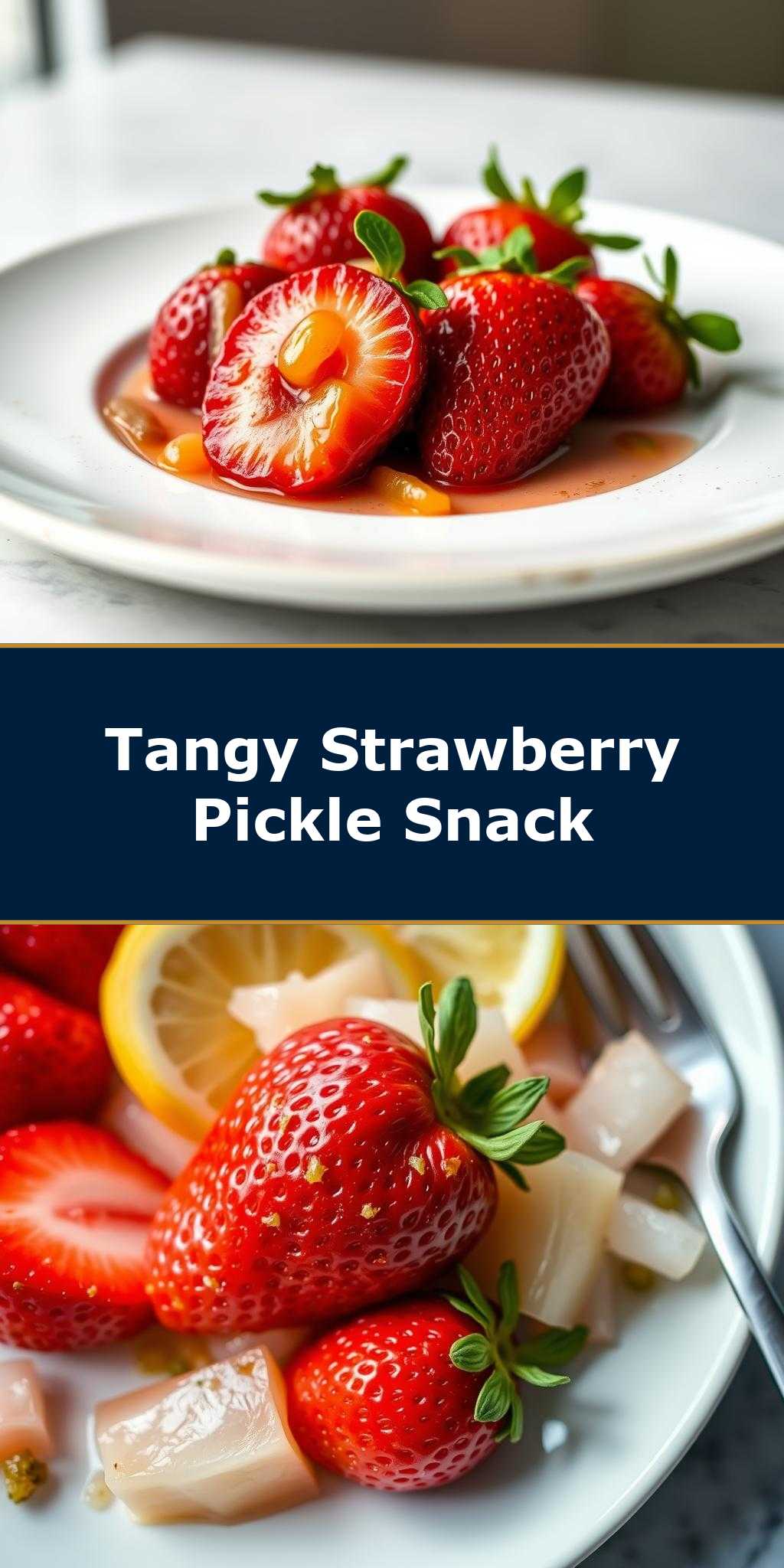
What happens when sweet strawberries meet tangy vinegar? A surprisingly delicious combination in this quick and easy homemade pickled strawberries recipe, made with fresh strawberries and a hint of sugar, perfect for a weeknight dinner side dish, save this idea for a unique family favorite twist, try it soon
Tangy Pickled Strawberries Recipe
Introduction
Imagine a sweet and tangy twist on traditional pickling, where juicy strawberries meet the zesty zing of vinegar and spices. This Tangy Pickled Strawberries Recipe is not only a game-changer for strawberry lovers, but it’s also incredibly easy to make, requiring just a few everyday ingredients. The beauty of this recipe lies in its simplicity and versatility, allowing you to enjoy pickled strawberries as a snack, a topping for yogurt or oatmeal, or even as a unique side dish for your next barbecue. With its perfect balance of sweet and sour, this dish is sure to impress your friends and family, and the best part is, it requires minimal effort and time.
Why This Works
- Flavor balance and ingredient accessibility: The combination of strawberries, vinegar, sugar, and spices creates a harmonious balance of flavors that is both familiar and exciting. Plus, all the ingredients are easily found in most supermarkets, making this recipe highly accessible.
- Ease of preparation: The preparation process is straightforward and quick, involving simply slicing the strawberries, mixing the pickling liquid, and letting it all come together in the fridge. This makes it perfect for a weeknight snack or a quick side dish for a weekend meal.
- Impressive results with minimal effort: Despite its simplicity, the end result is impressive and can elevate any meal or gathering. The tangy pickled strawberries add a unique and refreshing touch that is sure to spark conversations and compliments.
Key Ingredients
The main ingredients for this recipe include fresh strawberries, white vinegar, granulated sugar, water, and a mix of spices such as cinnamon sticks, cloves, and black peppercorns. For practical substitutions, you can use other types of vinegar like apple cider vinegar for a slightly sweeter flavor, or adjust the amount of sugar based on your taste preferences. Additionally, feel free to experiment with different spices to create unique flavor profiles. For instance, adding a pinch of red pepper flakes can give your pickled strawberries a nice spicy kick.
Instructions
- Step 1: Begin by washing and hulling the strawberries, then slice them into halves or quarters depending on their size. In a large bowl, mix together the sliced strawberries and granulated sugar, letting it sit for about 15 minutes to allow the strawberries to release their juices and the sugar to dissolve.
- Step 2: In a medium saucepan, combine the vinegar, water, cinnamon sticks, cloves, and black peppercorns. Bring the mixture to a boil over medium heat, stirring occasionally, then reduce the heat to low and simmer for about 10 minutes to allow the spices to infuse into the pickling liquid.
- Step 3: Pack the strawberry mixture into a clean glass jar, leaving about an inch of space at the top. Pour the hot pickling liquid over the strawberries, making sure that all the strawberries are covered. Seal the jar and let it cool to room temperature.
- Step 4: Once the jar has cooled, refrigerate it. The pickled strawberries will be ready to eat in a few hours and will keep in the fridge for up to several weeks. Before serving, give the jar a good shake and adjust the seasoning if necessary. You can serve the pickled strawberries chilled, garnished with fresh mint leaves or a sprinkle of sugar, depending on your preference.
Handy Tips
- When selecting strawberries, choose ones that are firm and bright red, as they will hold their shape better during the pickling process. Avoid using strawberries that are too ripe or mushy, as they can become too soft and unappetizing after pickling.
- For a clearer pickling liquid, you can strain it through a fine-mesh sieve before pouring it over the strawberries. This step is optional but can improve the appearance of the final product.
- Experiment with different spices and flavorings to create unique variations. For example, adding a few slices of fresh ginger can give your pickled strawberries a nice warm and spicy flavor, while a few sprigs of fresh rosemary can add a fragrant and herbaceous note.
Heat Control
When heating the pickling liquid, it’s essential to bring it to a boil and then reduce the heat to simmer. This ensures that the spices infuse properly into the liquid and that the sugar dissolves completely. Be careful not to overheat the liquid, as it can become too concentrated and affect the flavor of the pickled strawberries. Ideally, the liquid should simmer at a low heat for about 10 minutes, allowing the flavors to meld together nicely.
Crunch Factor
The crunch factor in this recipe comes from the freshness of the strawberries and the slight firmness they retain after pickling. To achieve the perfect crunch, it’s crucial not to overcook the strawberries and to use them at the peak of their freshness. If you prefer a softer texture, you can let the strawberries sit in the pickling liquid for a longer period, but be aware that they might become too soft and lose their appeal.
Pro Kitchen Tricks
- Use a candy thermometer to ensure the pickling liquid reaches the perfect temperature for infusing the spices. This trick can help you achieve a consistent flavor and prevent the liquid from becoming too hot or too cold.
- For a more intense flavor, let the pickling liquid cool completely before pouring it over the strawberries. This allows the flavors to mature and blend together more complexly.
- Consider using a vacuum sealer to remove air from the jar before sealing it. This can help prevent the growth of bacteria and extend the shelf life of your pickled strawberries.
Storage Tips
- Store the pickled strawberries in a clean, glass jar with a tight-fitting lid in the refrigerator. This will help keep them fresh for several weeks.
- Before serving, always check the pickled strawberries for any signs of spoilage, such as off smells, slimy texture, or mold. If you notice any of these signs, discard the pickled strawberries immediately.
- For longer storage, consider canning the pickled strawberries using a water bath canner. This method can help you enjoy your pickled strawberries throughout the year, but be sure to follow safe canning practices to avoid contamination.
Gift Packaging Ideas
If you’re considering gifting your tangy pickled strawberries, presentation is key. Fill a decorative glass jar with the pickled strawberries, leaving enough space at the top for a decorative layer of sugar or a sprig of fresh herbs. Seal the jar with a ribbon or a decorative lid, and add a gift tag with the recipe and serving suggestions. You can also include a few crackers or a block of cheese to complement the pickled strawberries. For a more rustic look, wrap the jar in a piece of burlap or a vintage tea towel, and tie it with a twine. This will add a charming, homemade touch to your gift.
Flavor Variations
- Different spices: Try adding a pinch of cayenne pepper for a spicy kick, or a few whole allspice berries for a warm, aromatic flavor.
- Creative toppings: Serve your pickled strawberries with a dollop of whipped cream, a sprinkle of chopped nuts, or a few fresh mint leaves for added texture and flavor.
- Ingredient swaps: Substitute the granulated sugar with honey or maple syrup for a different sweetness profile, or use balsamic vinegar instead of white vinegar for a deeper, richer flavor.
Troubleshooting
- Texture problems: If your pickled strawberries become too soft, it may be due to overcooking or using strawberries that are too ripe. Try adjusting the cooking time or using firmer strawberries in your next batch.
- Ingredient replacements: If you don’t have white vinegar, you can substitute it with apple cider vinegar or white wine vinegar. However, keep in mind that these alternatives may affect the flavor profile of your pickled strawberries.
- Over/undercooking signs: Check your pickled strawberries regularly during the pickling process. If they start to look too soft or mushy, remove them from the pickling liquid immediately. On the other hand, if they still look too firm after the recommended pickling time, you can let them sit for a few more hours or overnight to achieve the desired texture.
FAQs
- Can I freeze it? Yes, you can freeze your pickled strawberries, but it’s essential to follow safe freezing practices to maintain their quality and texture. Transfer the pickled strawberries to an airtight container or freezer bag, making sure to remove as much air as possible before sealing. Frozen pickled strawberries can be stored for up to 6 months. When you’re ready to serve, simply thaw them in the refrigerator or at room temperature.
- Is it gluten-free? Yes, this recipe is gluten-free, making it an excellent option for those with gluten intolerance or sensitivity. However, if you’re using a shared kitchen space or equipment, be sure to take proper cross-contamination precautions to ensure the pickled strawberries remain gluten-free.
- Can I double the recipe? Absolutely! To double the recipe, simply multiply all the ingredients by two. Keep in mind that you may need to adjust the cooking time slightly, depending on the size of your saucepan and the efficiency of your stove. Also, be sure to use a larger jar or container to accommodate the increased volume of pickled strawberries.
Conclusion
This Tangy Pickled Strawberries Recipe is a versatile and delicious addition to any meal or gathering. With its perfect balance of sweet and sour, it’s sure to impress your friends and family, and the best part is, it requires minimal effort and time. Feel free to experiment with different spices and flavorings to create unique variations, and don’t hesitate to reach out if you have any questions or need further assistance. Happy cooking, and enjoy your tangy pickled strawberries!