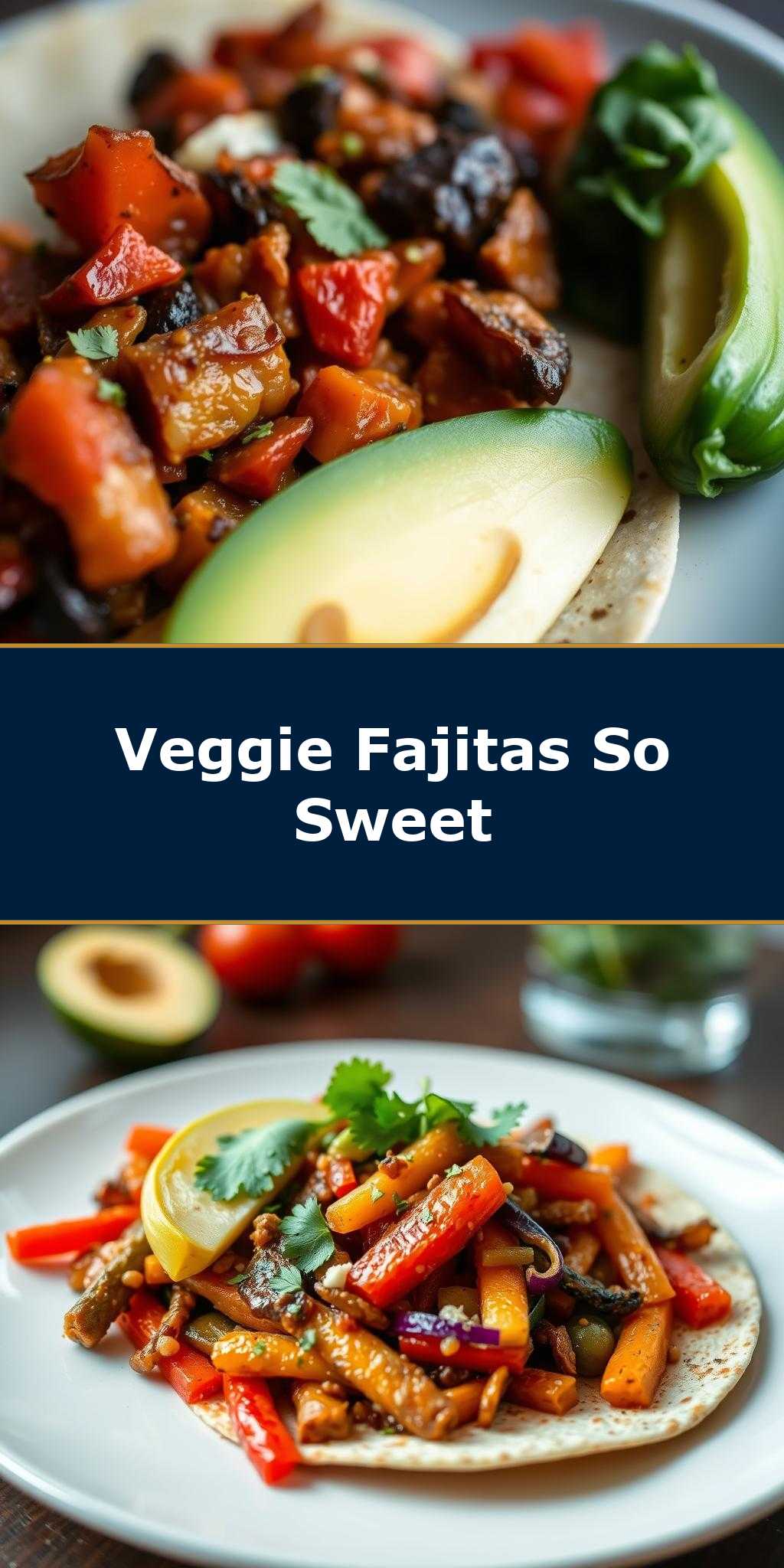
What’s the secret to a flavorful weeknight dinner that’s also quick and easy? Sizzling plant-based veggie fajitas with sautéed bell peppers and onions are my go-to homemade solution for a family favorite meal. Save this idea for a delicious easy dinner inspiration any night of the week, try it soon
Plant-Based Veggie Fajitas
Introduction
Embark on a culinary journey with the vibrant and delectable Plant-Based Veggie Fajitas, a dish that embodies the essence of ease, flavor, and creativity. This recipe is a masterpiece of simplicity, leveraging everyday ingredients to craft a meal that is not only delicious but also visually stunning. The beauty of this dish lies in its ability to bring people together, whether it’s a family dinner, a casual gathering with friends, or a solo culinary adventure. With its rich tapestry of textures and flavors, the Plant-Based Veggie Fajitas are sure to delight even the most discerning palate, all while celebrating the versatility and nutritional prowess of plant-based cuisine.
Why This Works
- Flavor balance and ingredient accessibility: This recipe strikes a perfect balance between flavors, ensuring that each component complements the others, while also using ingredients that are readily available in most markets.
- Ease of preparation: The steps involved are straightforward and simple, making it accessible to cooks of all skill levels. Whether you’re a seasoned chef or a beginner in the kitchen, you’ll find the process enjoyable and hassle-free.
- Impressive results with minimal effort: Despite the simplicity of the recipe, the end result is impressive and satisfying, perfect for those looking to make a great impression without spending hours in the kitchen.
Key Ingredients
The Plant-Based Veggie Fajitas rely on a few key ingredients to bring the dish to life. These include a variety of colorful bell peppers (such as green, red, and yellow), onions, mushrooms, and your choice of plant-based protein sources like tofu, tempeh, or seitan. Additionally, fajita seasoning, olive oil, garlic, and a squeeze of fresh lime juice add depth and brightness to the dish. For practical substitutions, consider using different types of peppers or onions, and feel free to experiment with various spices to tailor the flavor to your liking. The tortillas, whether you choose flour or corn, serve as the perfect vessel to wrap all the delicious components together.
Instructions
- Step 1: Begin by preparing your ingredients. Chop the bell peppers and onions into thin strips, slice the mushrooms, and dice your chosen protein source. Measure out the fajita seasoning and have the olive oil, garlic, and lime juice ready.
- Step 2: Heat a large skillet over medium-high heat and add a couple of tablespoons of olive oil. Once the oil is hot, add the diced protein and cook until it’s nicely browned and cooked through. Remove it from the skillet and set it aside.
- Step 3: In the same skillet, add a bit more olive oil if necessary, then add the minced garlic and sauté for a minute until fragrant. Add the sliced onions and cook until they start to soften, then add the bell peppers and mushrooms. Sprinkle the fajita seasoning over the vegetables and continue to cook, stirring occasionally, until the vegetables are tender and lightly charred.
- Step 4: Return the cooked protein to the skillet, stir to combine with the vegetables and seasoning, and squeeze a bit of lime juice over the top. Warm your tortillas by wrapping them in a damp paper towel and microwaving for 20-30 seconds. Assemble the fajitas by filling each tortilla with the vegetable and protein mixture, and serve immediately.
Handy Tips
- For an extra crispy texture on your tortillas, grill them lightly on a dry skillet or griddle for a few seconds on each side before filling.
- Consider adding other vegetables like zucchini, carrots, or broccoli to the skillet for added nutritional value and variety.
- To avoid overcooking, stir the vegetables frequently and adjust the heat as necessary. The goal is to achieve a tender but still crisp texture.
Heat Control
Maintaining the right heat is crucial for achieving the perfect doneness in your Plant-Based Veggie Fajitas. Start with a medium-high heat to get a nice sear on your protein and to quickly soften the onions. As you add more ingredients to the skillet, you may need to adjust the heat to prevent burning, especially if using a cast-iron or stainless steel pan. Ideal cooking times will vary based on the specific ingredients and their quantities, but generally, you’re looking at about 5-7 minutes for the protein and 10-12 minutes for the vegetables, stirring occasionally.
Crunch Factor
Achieving the right texture, particularly a satisfying crunch, can elevate the Plant-Based Veggie Fajitas from good to great. This can be accomplished by not overcooking the vegetables, ensuring they retain some of their natural crispness. Additionally, adding some crunchy elements like chopped fresh cilantro, scallions, or even toasted nuts or seeds on top of the fajitas can provide a delightful textural contrast.
Pro Kitchen Tricks
- Prep your ingredients in advance to make the cooking process smoother and less stressful. Chopping all the vegetables and measuring out the spices beforehand can save you time during the actual cooking.
- Use a cast-iron skillet if you have one, as it retains heat well and can give your fajitas a nice sear.
- Don’t overcrowd the skillet. Cook the ingredients in batches if necessary, to ensure everything cooks evenly and quickly.
Storage Tips
- Leftovers can be stored in an airtight container in the refrigerator for up to 3 days. Reheat gently in a skillet or in the microwave until warmed through.
- For longer storage, consider freezing the cooked mixture without the tortillas. It can be frozen for up to 2 months and reheated as needed.
- When reheating, add a splash of water or broth if the mixture seems dry, and stir in some fresh lime juice for brightness.
Gift Packaging Ideas
If you’re looking to share your Plant-Based Veggie Fajitas as a gift, consider packaging the filling in a decorative jar or container, along with a package of tortillas and some fresh toppings like avocado, sour cream, or salsa. You could also include a small bag of homemade fajita seasoning for an extra personal touch. Wrap the jar or container in a colorful towel or cloth, and tie with a ribbon for a beautiful and thoughtful gift.
Flavor Variations
- Different spices: Experiment with various spice blends like cumin, chili powder, or smoked paprika to give your fajitas a unique flavor profile.
- Creative toppings: Offer a variety of toppings such as diced tomatoes, shredded lettuce, diced avocado, sour cream, or salsa to let everyone customize their fajitas to their liking.
- Ingredient swaps: Try using different types of protein like beans, lentils, or roasted sweet potatoes for a change of pace, or substitute the bell peppers with other colorful vegetables.
Troubleshooting
- Texture problems: If your vegetables are too soft, try cooking them for less time or adding them in stages to achieve the right texture. For toughness, ensure you’re not overcooking, and consider adding a bit of liquid to the skillet to help them steam to tenderness.
- Ingredient replacements: If you can’t find a specific ingredient, don’t hesitate to substitute with something similar. For example, use lemon juice if you don’t have lime, or substitute one type of bell pepper for another.
- Over/undercooking signs: Keep an eye on your ingredients as they cook. If the protein is browned and the vegetables are tender but still crisp, you’re on the right track. Adjust the heat and cooking time as needed to prevent overcooking.
FAQs
- Can I freeze it? Yes, the filling for the Plant-Based Veggie Fajitas can be frozen for up to 2 months. Simply thaw and reheat when you’re ready to assemble the fajitas.
- Is it gluten-free? This recipe is naturally gluten-free, making it a great option for those with gluten intolerance or sensitivity. Just be sure to check the ingredients of your fajita seasoning and tortillas to confirm they are gluten-free.
- Can I double the recipe? Absolutely! Simply multiply all the ingredients by two and cook in batches if necessary to prevent overcrowding the skillet. This is a great way to feed a larger crowd or to have leftovers for future meals.
Conclusion
As you embark on the journey of creating your Plant-Based Veggie Fajitas, remember that the true magic lies not just in the recipe itself, but in the experience of sharing a delicious, home-cooked meal with others. Don’t be afraid to experiment and make the recipe your own, whether that means adding your favorite spices, trying out new ingredients, or serving it in a unique way. The beauty of cooking is in its ability to bring people together, to evoke emotions, and to create lasting memories. So, go ahead, gather around the table, and enjoy the fruits of your labor with love, laughter, and full plates.