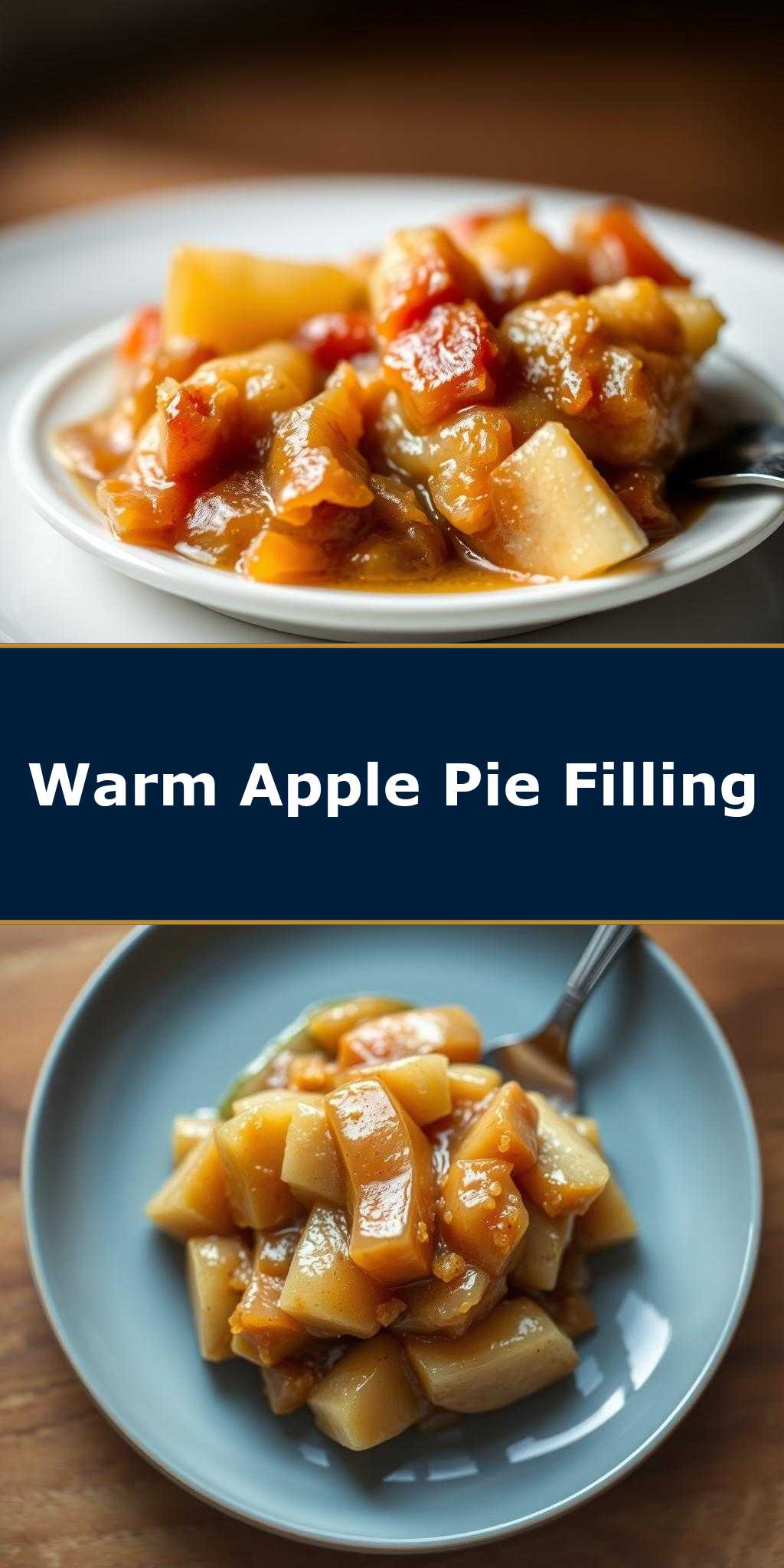
What makes a perfect apple pie truly unforgettable? It all starts with a delicious homemade apple pie filling made with tender apples and a hint of cinnamon, perfect for a quick weeknight dinner or family favorite dessert. Save this easy recipe idea for later and get ready to impress your loved ones with a tasty treat. Try it soon and enjoy the warm flavors of autumn in every bite. Pin for later
Apple Pie Filling
Introduction
Imagine the warmth of a homemade apple pie, fresh from the oven, filling your kitchen with the irresistible aroma of tender apples, sweet spices, and flaky pastry. The good news is that you can achieve this culinary delight with ease, using everyday ingredients and a straightforward recipe. Our apple pie filling is a masterclass in balance and simplicity, allowing you to enjoy the quintessential flavors of autumn any time of the year. Whether you’re a seasoned baker or a culinary newbie, this recipe is designed to impress with minimal effort, making it perfect for family gatherings, potlucks, or as a thoughtful gift for friends and loved ones.
Why This Works
- Flavor balance and ingredient accessibility: This recipe strikes a perfect balance between sweet and savory, using ingredients that are readily available in most supermarkets.
- Ease of preparation: The steps are simple and straightforward, requiring no special equipment or advanced culinary techniques.
- Impressive results with minimal effort: Despite its simplicity, the end result is a deliciously rich and comforting filling that tastes like it was made with love and care.
Key Ingredients
The heart of our apple pie filling lies in its carefully selected ingredients. You’ll need a mix of sweet and tart apples (Granny Smith and Gala work wonderfully), granulated sugar, all-purpose flour, cinnamon, nutmeg, and a hint of salt. For added depth, a squeeze of fresh lemon juice and a pat of butter are also included. Practical substitutions can be made based on personal preference or dietary needs, such as using coconut sugar instead of granulated sugar or opting for gluten-free flour for those with gluten intolerance.
Instructions
- Step 1: Begin by preparing your apples. Peel, core, and slice them into thin, even pieces. This ensures they cook consistently and quickly.
- Step 2: In a large saucepan, combine the sliced apples, granulated sugar, flour, cinnamon, nutmeg, and salt. Cook over medium heat, stirring occasionally, until the apples start to soften and the mixture is fragrant.
- Step 3: Add the lemon juice and butter to the saucepan, stirring until the butter has melted and the mixture is well combined. Continue cooking until the apples are tender and the filling has thickened, stirring occasionally to prevent burning.
- Step 4: Remove the saucepan from the heat and let the filling cool slightly. This is your chance to taste and adjust the seasoning if necessary. Once cooled, the filling is ready to use in pies, as a topping for yogurt or ice cream, or as a side dish on its own.
Handy Tips
- When selecting apples, choose a mix of sweet and tart varieties for the best flavor balance. Avoid using overly sweet apples, as they can make the filling too sugary.
- Don’t overcook the apples. They should be tender but still retain some of their texture. Overcooking can result in a mushy, unappealing filling.
- Consider adding a splash of vanilla extract or a pinch of cardamom to the filling for an extra layer of flavor.
Heat Control
Heat control is crucial when making the apple pie filling. Ideally, you want to cook the mixture over medium heat, ensuring that the apples cook evenly and the sugar dissolves completely without burning. Keep an eye on the heat and adjust as necessary. Signs of doneness include tender apples and a thickened, syrupy consistency to the filling.
Crunch Factor
The desired texture of the apple pie filling is tender apples in a rich, slightly thickened sauce. To achieve this, cook the apples until they are soft but still hold their shape. Avoid overcooking, which can result in a filling that’s too mushy. For added crunch, consider topping your pie or dessert with toasted nuts or a crumbly oat topping before serving.
Pro Kitchen Tricks
- Use a variety of apple types to achieve a complex flavor profile. Each type of apple will contribute its unique sweetness, tartness, and texture to the filling.
- Don’t skip the step of cooking the flour with the butter and spices, as this helps to prevent the filling from becoming too runny and enhances the flavor.
- For a shortcut, use pre-peeled and sliced apples, available in many supermarkets, to save time on preparation.
Storage Tips
- The apple pie filling can be stored in the refrigerator for up to a week. Let it cool completely before transferring it to an airtight container.
- For longer storage, the filling can be frozen for up to 3 months. Thaw frozen filling overnight in the fridge before using.
- When reheating, do so gently over low heat, stirring frequently to prevent scorching.
Gift Packaging Ideas
The apple pie filling makes a wonderful gift, especially during the holiday season. Consider packaging it in decorative glass jars, topped with a ribbon and a gift tag. For a more rustic touch, use mason jars and add a sprinkle of cinnamon or nutmeg on top for a fragrant and visually appealing presentation. Don’t forget to include a card with serving suggestions and reheating instructions for the recipient.
Flavor Variations
- Different spices: Experiment with ground ginger, allspice, or a pinch of cayenne pepper to add unique twists to the traditional cinnamon and nutmeg.
- Creative toppings: Top your pie or dessert with caramel sauce, whipped cream, or a scoop of vanilla ice cream for added indulgence.
- Ingredient swaps: Try using pears or a combination of apples and pears for a different flavor profile. You can also substitute some of the sugar with honey or maple syrup for a richer taste.
Troubleshooting
- Texture problems: If the filling becomes too thick, thin it out with a little water or apple cider. If it’s too runny, simmer it for a few more minutes to reduce the liquid.
- Ingredient replacements: Need a substitute for lemon juice? Try using lime juice or a splash of apple cider vinegar for a similar acidity.
- Over/undercooking signs: Keep an eye on the apples’ texture and the filling’s consistency. Undercooked filling will be too runny and crunchy, while overcooked filling will be mushy and possibly burnt.
FAQs
- Can I freeze it? Yes, the apple pie filling can be frozen for up to 3 months. Simply thaw it overnight in the fridge when you’re ready to use it.
- Is it gluten-free? The filling itself is gluten-free, but if you’re using it in a pie, be sure to use a gluten-free crust to accommodate dietary restrictions.
- Can I double the recipe? Absolutely! Simply double all the ingredients and cook in a larger saucepan, adjusting the cooking time as necessary to ensure the apples are tender and the filling is thickened.
Conclusion
Making your own apple pie filling from scratch is a rewarding experience that allows you to control the ingredients, the flavor, and the fun. With this recipe, you’re not just making a filling; you’re creating a tradition, a memory, and a delicious dessert that will be cherished by all who taste it. So go ahead, get creative, and enjoy the journey of cooking and sharing this wonderful apple pie filling with your loved ones.